Things to Do in Svolvær — Lofoten's Fishing-Village Capital
Discover things to do in Svolvær: the practical gateway to Lofoten, the twin-horned Svolværgeita, a major WWII museum, Trollfjord cruises, and a harbour sauna scene of its own.
Svolvær is the practical capital of Lofoten — the place where the ferries dock, the Hurtigruten calls, and most visitors spend at least one night before scattering further into the archipelago. First recorded under Danish rule in 1573 and named from the Old Norse for “chill” and “fishing station,” it grew out of the annual cod migration that has drawn fishermen to these waters for centuries, and today it’s Lofoten’s largest town, with a natural, mountain-ringed harbour that still feels like a working fishing port rather than a resort.
Gateway to Lofoten
Most Lofoten trips begin or end in Svolvær, and for good reason: it’s the only town in the archipelago with its own airport, a Hurtigruten stop, and a direct connection to the E10, the road that runs the length of Lofoten toward Reine, Hamnøy, and Å. That combination makes it the natural base for arranging onward travel — car hire, ferries to the outer islands, or simply a first look at the mountain wall that gives Lofoten its reputation before heading further west. For a full picture of the rest of the archipelago, see our guide to things to do in Lofoten.
Svolværgeita & the Town’s Setting
Above the town rises Svolværgeita — “the Svolvær goat” — a twin-horned rock spire that is one of Norway’s most recognisable climbing objectives. It’s a genuine technical climb for experienced climbers with a guide, and the legendary leap between its two horns has tempted (and terrified) visitors since 1910. Guided climbing trips run through the summer for those who want to try it themselves, while everyone else can admire the silhouette from the harbour below. The town itself sits tight against the water, with Svinøya — a small island connected by footbridge — carrying rows of red-painted rorbuer, the fishermen’s cabins that have housed Lofoten’s cod fleet since the height of the Lofotfisket season each February to April.
Fishing Heritage & the War Museum
Svolvær’s history is inseparable from skrei — the Arctic cod that migrate here each winter to spawn — and that fishing heritage runs through the town’s rorbuer, its harbour, and its restaurants. For a different, more unexpected side of local history, the Lofoten War Memorial Museum houses one of the largest private collections of Second World War artefacts and uniforms anywhere, gathered around the story of the German occupation of Lofoten — an eclectic, absorbing stop for an afternoon in town.
Trollfjord Cruises
From the harbour, boats run out to Trollfjord, one of Norway’s narrowest and most dramatic fjords, framed by near-vertical rock walls just north of Svolvær on the edge of Vesterålen. The round trip typically runs a little over two hours, with the fjord itself — steep-sided, often glassy-calm, and a good spot to watch for sea eagles — forming the final, most spectacular stretch each way.
Sauna Culture in Svolvær
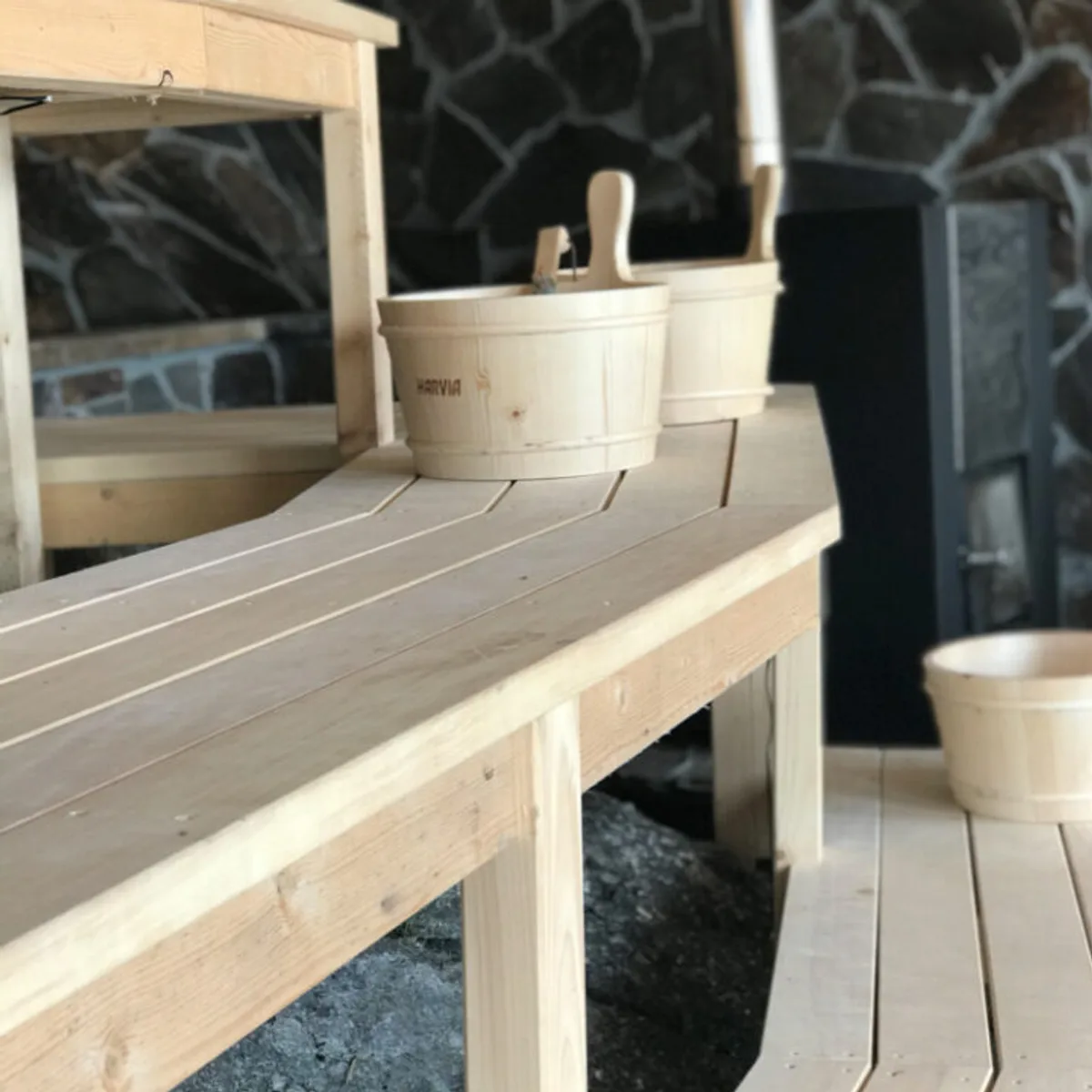
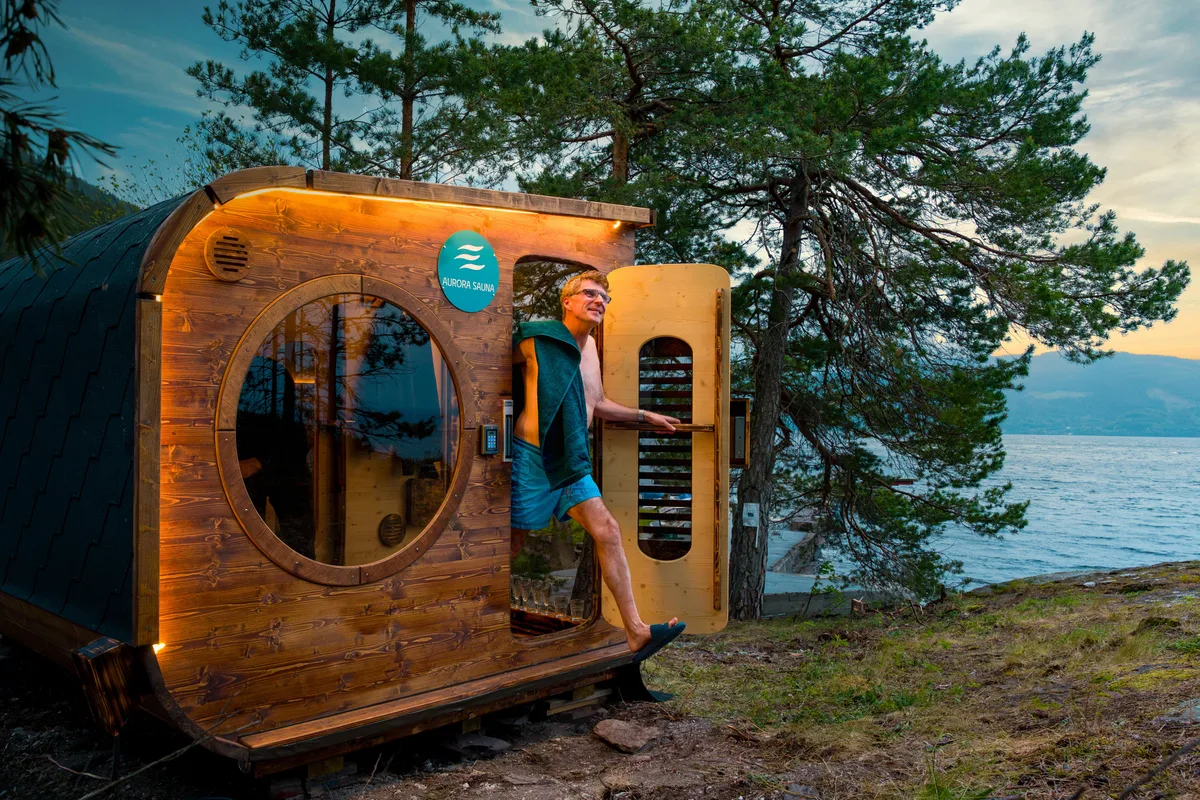
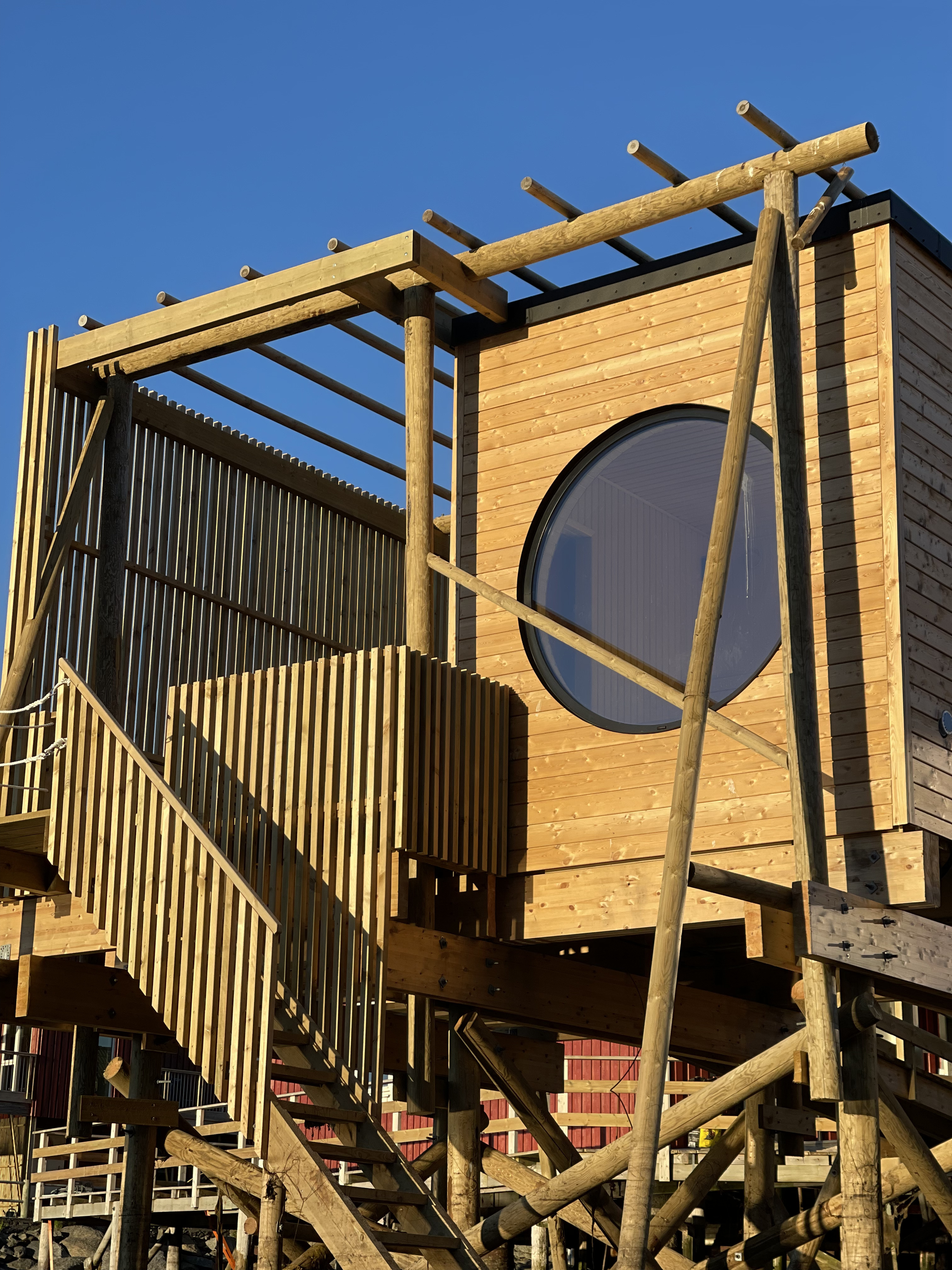
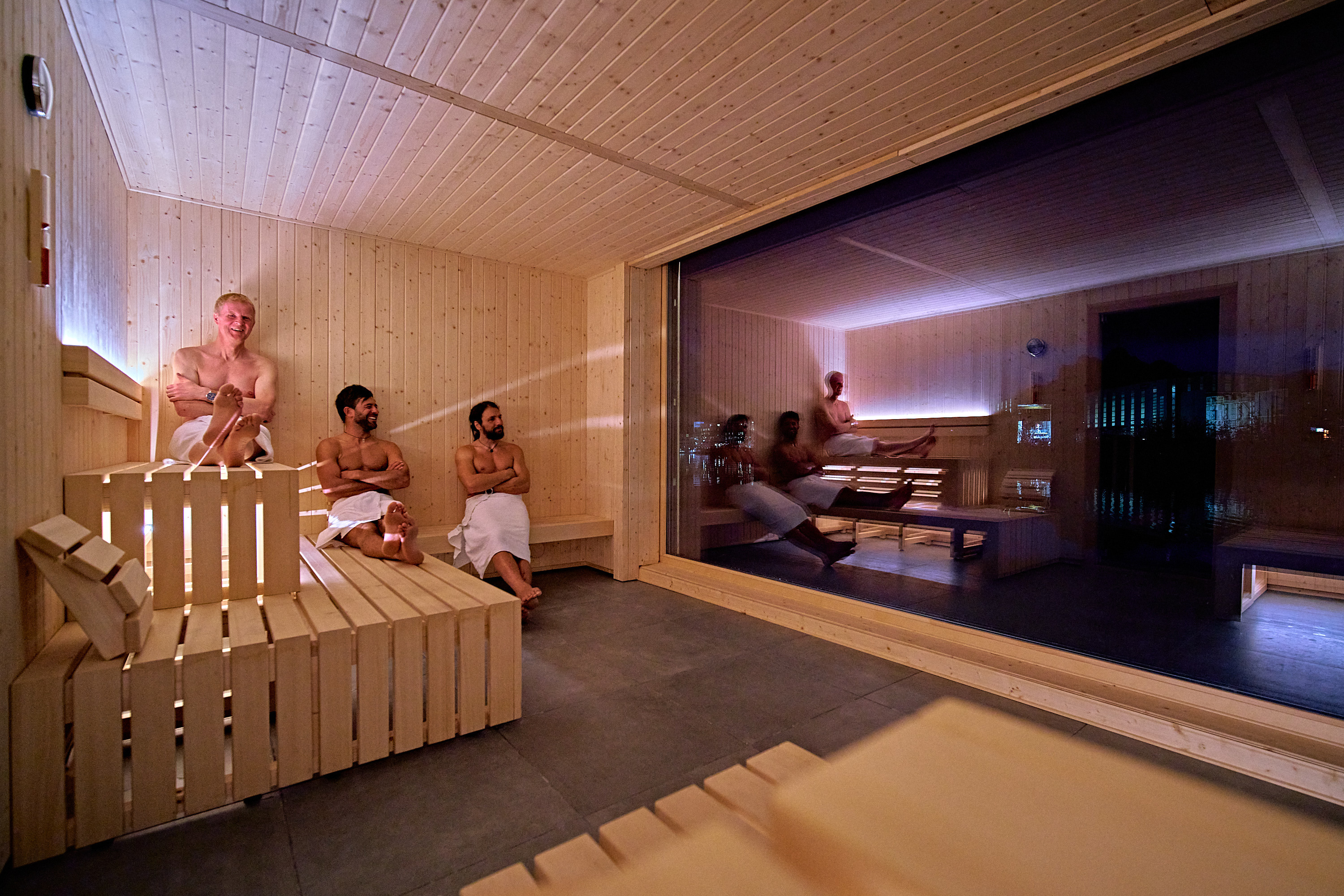
Svolvær also has a genuine sauna scene of its own, and unusually for Lofoten, all of it is walkable from the harbour. Lofoten Sauna Svinoya is a floating sauna moored at Svinøya Rorbuer looking straight at Svolværgeita, with drop-in sessions and private hire for groups. Lyst Lofoten Sauna is the second floating option, on a pontoon outside the Thon Hotel with unusually long opening hours into the early hours. And Svinoya Rorbuer Sauna offers an indoor alternative with panoramic windows facing Vestfjorden, for accommodation guests or by private booking.
We’ve covered all three in full — pricing, hours, and which one suits which weather — in our dedicated guide to the best saunas in Svolvær.
Getting There & When to Visit
Svolvær has its own airport with flights from Bodø, is a regular Hurtigruten port, and sits on the E10, roughly four hours by road from Narvik. May to July brings the midnight sun and the longest hiking and climbing days of the year. October to March is aurora season, when the harbour empties out and the twin horns of Svolværgeita cut a stark silhouette against a darker sky. Spring and early autumn split the difference, with fewer visitors and more flexible availability at the town’s saunas and rorbu accommodation alike.
For the archipelago beyond Svolvær, see our guide to things to do in Lofoten, covering Reine, Henningsvær, and Nusfjord, and the best saunas in Lofoten for the wider sauna scene across the islands. If you’re chasing the Northern Lights, our guide to saunas under the aurora covers timing and viewing conditions across the north.
Frequently Asked Questions
Is Svolvær worth visiting, or should I go straight to Reine?
Svolvær is worth a night in its own right. It's Lofoten's largest town and its transport hub, with the Svolværgeita rock formation, a major WWII museum, and Trollfjord cruises all within walking distance of the harbour — before you even head further into the archipelago.
What is Svolværgeita?
A twin-horned rock spire rising above the town. It's a serious rock climb for experienced climbers with a guide, and the legendary — and dangerous — leap between its two horns has been attempted since 1910.
Can you visit Trollfjord from Svolvær?
Yes, Svolvær is the main departure point for Trollfjord cruises. The round trip takes a little over two hours by boat, with the dramatic narrow fjord itself forming roughly the last 30 minutes of dramatic scenery each way.
Are there saunas in Svolvær?
Yes, three of them, all within walking distance of the harbour: two floating saunas and one indoor sauna with panoramic views. See our dedicated guide to the best saunas in Svolvær for the full breakdown.
How do you get to Svolvær?
Svolvær has its own airport with flights from Bodø, is a Hurtigruten port of call, and sits on the E10 road through Lofoten, roughly four hours by car from Narvik.
What is the best time to visit Svolvær?
May to July for the midnight sun and long daylight hiking hours, October to March for the Northern Lights and a starker, quieter version of the harbour. Both seasons suit the town's saunas equally well.