Things to Do in Harstad — Trondenes History & Gateway to the Arctic Islands
Discover things to do in Harstad: the medieval Trondenes church and its giant WWII gun, the Arctic Arts Festival, easy access to Vesterålen and Senja, and sea saunas on the Vågsfjord.
Harstad sits on the northeastern shore of Hinnøya, Norway’s largest island outside Svalbard, and quietly does double duty as both a historically rich destination in its own right and one of the more practical bases for exploring the wider Arctic archipelagos. It’s a working town of around 23,000 people rather than a tourist set piece, but between a medieval church with a genuinely startling wartime neighbour, a major arts festival, and a bridge that puts Senja within easy reach, Harstad rewards a stop of its own rather than a quick pass-through on the way to Lofoten.
Trondenes Historical Centre
The undisputed highlight of a Harstad visit is the Trondenes peninsula, just north of the town centre. Trondenes Church, built in the 13th century, is one of Norway’s largest medieval country churches and is recognised as the world’s northernmost medieval church — a striking piece of European Gothic architecture in a setting most visitors don’t expect this far north. The Trondenes Historical Centre, opened in 1997, traces the area’s history from Viking-age settlement through to the German occupation of 1940–1945, with artefacts, paintings, and reconstructions along the way.
Immediately behind the church stands the Adolfkanonen — the Adolf Gun — one of the most improbable sights in northern Norway. This German naval gun, installed during the war as part of Hitler’s Atlantic Wall, has a barrel wide enough to fit a grown adult inside, a range of roughly 56 kilometres, and could fire shells weighing over a tonne. It’s the only gun of its kind left anywhere in a fully preserved, intact condition, and standing beneath it on the hill above Trondenes Church makes for one of the odder and more memorable juxtapositions of medieval and modern history you’ll find in Norway.
Festspillene i Nord-Norge
Each June, Harstad hosts the Festspillene i Nord-Norge (Arctic Arts Festival) — a week of music, theatre, and art performances first held in 1965, running from 20 to 27 June in 2026. The festival takes over venues across town, from acoustic performances staged inside the 700-year-old walls of Trondenes Church to the Cultural House, Harstad Church, bars, and tents set up along the quayside. It’s one of the more culturally ambitious events in the north, and it turns an otherwise quiet coastal town into a genuinely lively destination for the week.
Gateway to the Arctic Islands
Harstad’s position on Hinnøya makes it a natural base for reaching further into Arctic Norway without the crowds of Svolvær or Tromsø. Senja, Norway’s second-largest island, is just a bridge away, and good bus connections run on to Vesterålen, Lofoten, and Narvik. From Harstad itself, kayaking the fjord under the midnight sun and RIB trips out to the seabird colonies around Bjarkøy are both popular ways to get out on the water without committing to a full island-hopping itinerary.
Sauna Culture in Harstad
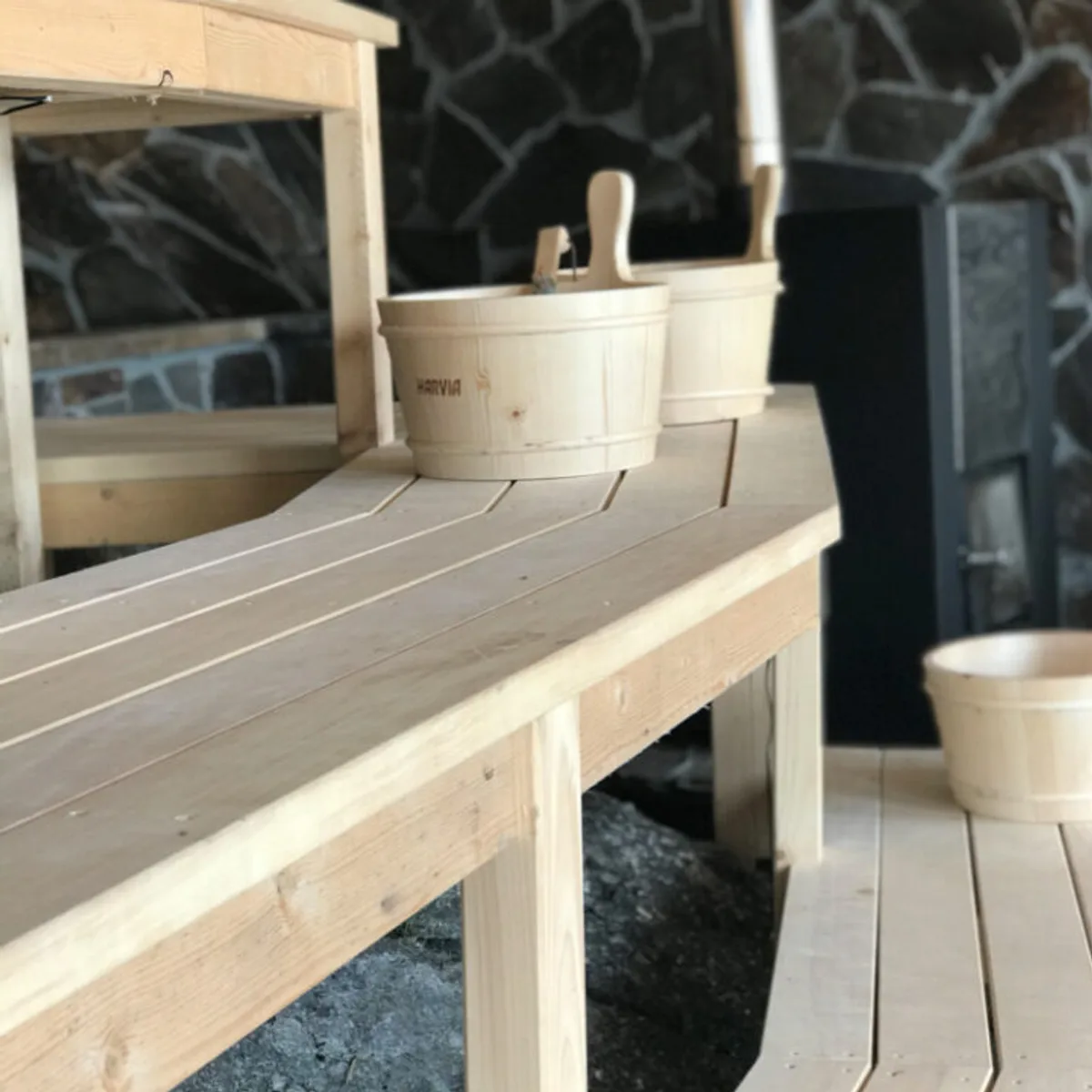
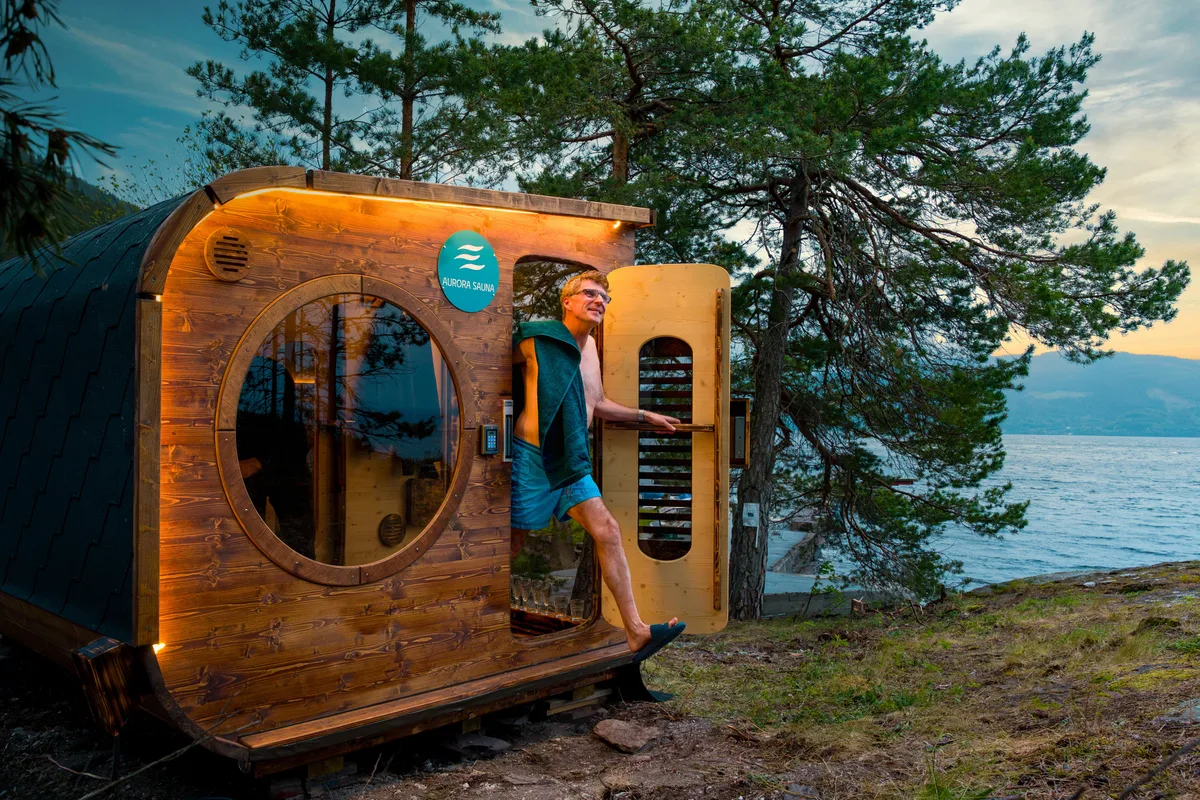
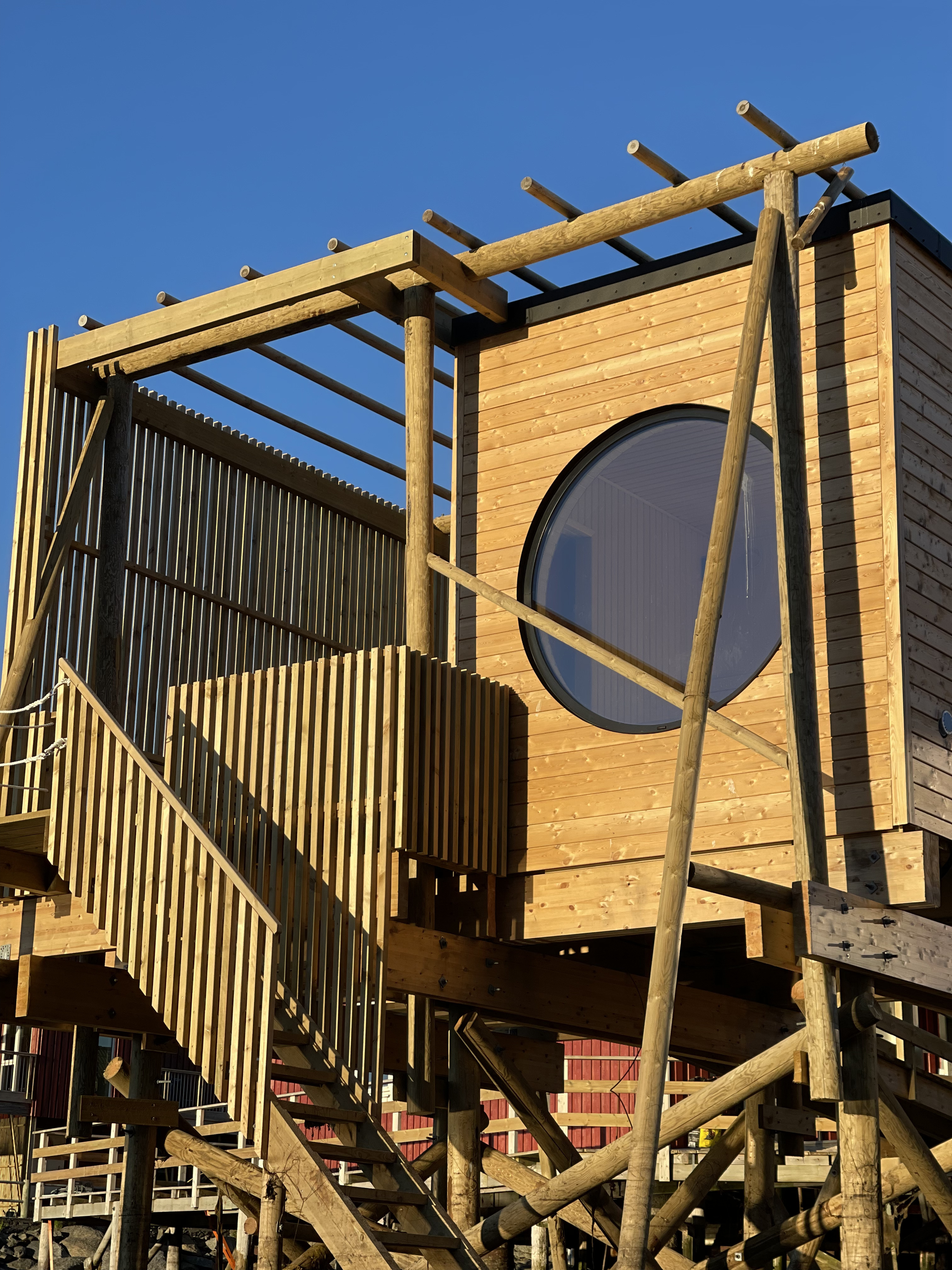
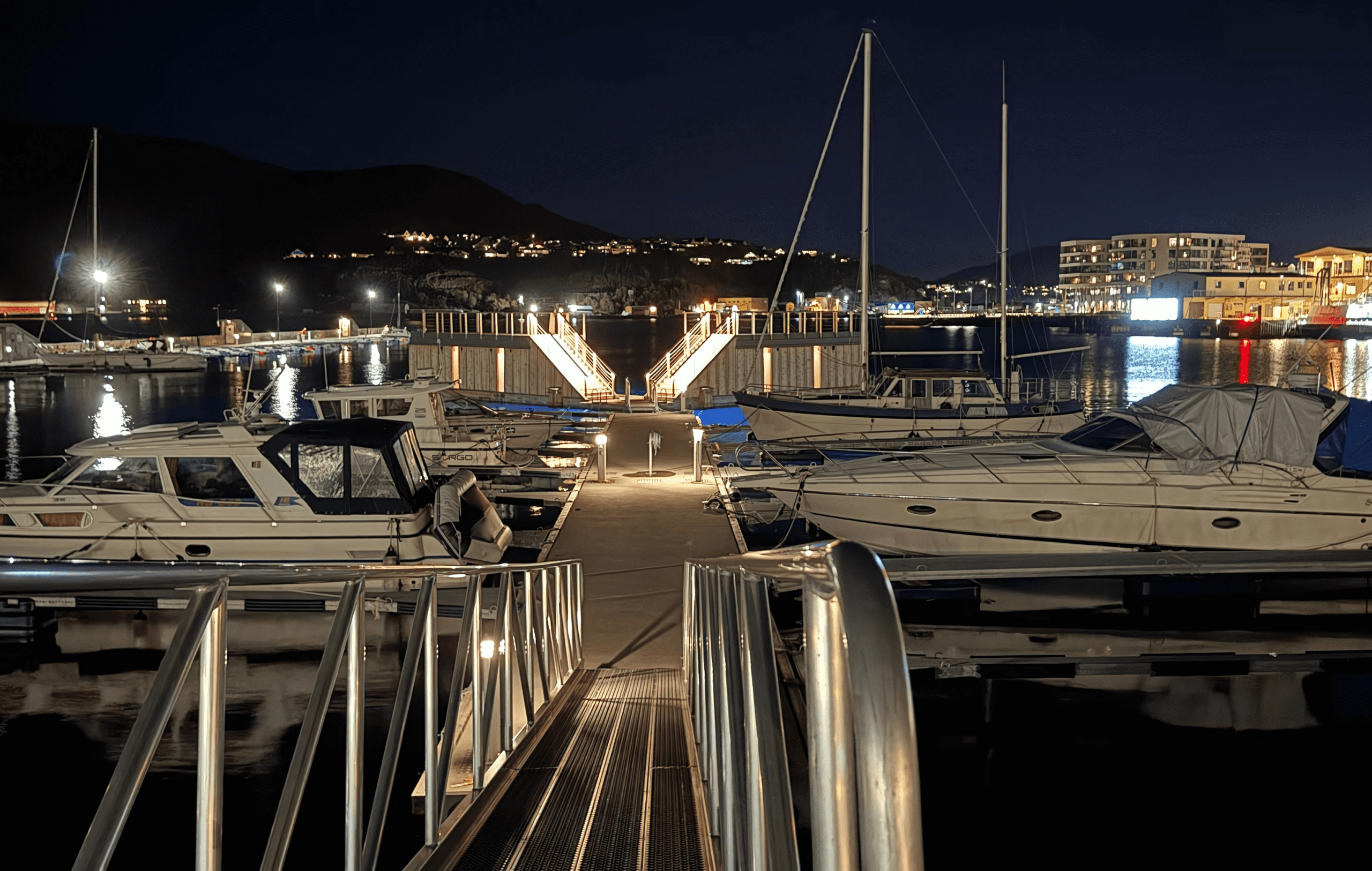
Harstad’s small sauna scene makes good use of its fjord setting. Vag Havbadstue, in the town centre, offers two floating sea saunas — Måga and Rogla — looking out over the Vågsfjord, with drop-in and private booking options. On nearby Grytøya, Heitlaugen Badstu is a wood-fired sauna by the sea, run by the local Grytøya Badstulaug bathing club — a more elemental, community-run alternative. And for a simpler option at the end of the day, Home Hotel Arcticus, positioned at the far end of the town quay, has a hotel sauna and gym with sea views for its guests.
Getting There & When to Visit
Harstad is served by Harstad/Narvik Airport at Evenes, with connections to Oslo, Bergen, and Tromsø, and the town also has good long-distance bus links across northern Norway. June is a strong time to visit for the Festspillene i Nord-Norge festival and the start of the midnight sun season, which runs on into July. Autumn and winter bring the Northern Lights and a much quieter town, with the fjord saunas offering a good way to warm up between aurora checks.
For more of the wider region, see our guide to the best saunas in Northern Norway and Arctic sauna experiences in Norway. Harstad’s bridge link to Senja makes it a natural pairing with our guide to things to do in Senja, and if you’re chasing the aurora, our Northern Lights sauna guide covers viewing conditions across the north.
Frequently Asked Questions
What is Harstad known for?
Harstad is known for the Trondenes Historical Centre and its 13th-century medieval church, the massive Adolfkanonen WWII coastal gun nearby, the Festspillene i Nord-Norge arts festival each June, and its position as a base for exploring Vesterålen, Lofoten, and Senja.
What is the Adolfkanonen?
A huge German naval gun installed at Trondenes during the Second World War, with a barrel wide enough to fit a person inside. It had a range of about 56 kilometres and formed part of Hitler's Atlantic Wall — it's the only gun of its kind still preserved intact anywhere.
Is the Trondenes church really the world's northernmost medieval church?
Yes. Built in the 13th century, Trondenes Church is one of Norway's largest medieval country churches and is recognised as the northernmost medieval church in the world.
Is Harstad a good base for exploring northern Norway?
Yes. Harstad sits on Hinnøya, Norway's largest island outside Svalbard, with good bus connections to Vesterålen, Lofoten, and Narvik, and a bridge link directly to Senja — making it a practical, less crowded alternative base to Svolvær or Tromsø.
Are there saunas in Harstad?
Yes. Vag Havbadstue offers two floating sea saunas on the Vågsfjord, Heitlaugen Badstu is a wood-fired sauna on nearby Grytøya, and Home Hotel Arcticus has a sauna and gym for hotel guests at the end of the town quay.
When is the Festspillene i Nord-Norge festival?
It runs for about a week each June — 20 to 27 June in 2026 — with music, theatre, and art performances staged across Harstad, including inside the 700-year-old walls of Trondenes Church.