Things to Do in Alta — UNESCO Rock Art, Northern Lights & Saunas
Explore Alta: 7,000-year-old UNESCO rock carvings at Hjemmeluft, the titanium-spired Northern Lights Cathedral, the Sorrisniva Igloo Hotel, and Finnmark's best aquatic sauna centre.
Alta sits at the head of a long fjord in Finnmark, Norway’s northernmost mainland county, and it carries two very different claims to fame that somehow fit together perfectly: it holds one of the richest collections of prehistoric rock art in northern Europe, and it markets itself, with good reason, as the Northern Lights City. Add a seasonal ice hotel built fresh from the Alta River every winter, and a solid pair of saunas to warm up in afterwards, and Alta earns its place as one of the more distinctive stops in Finnmark.
The UNESCO Rock Art at Hjemmeluft
The Rock Art of Alta was added to UNESCO’s World Heritage List in 1985, and it remains the largest concentration of rock carvings and paintings made by hunter-gatherers anywhere in northern Europe — more than 3,000 petroglyphs spread across five sites around the fjord, the oldest dating back over 7,000 years. Of those five, only Hjemmeluft is open to visitors, and it’s set up well for it: a marked outdoor walking trail winds past carvings of reindeer, boats, elk, and human figures pecked into the bedrock by people who lived here millennia before Norway existed as a concept.
The Alta Museum, built directly beside the excavation site, displays finds from the area including “Pippi,” the first carving discovered here, and does a genuinely good job explaining what daily life and belief systems might have looked like for the people who made this art. The outdoor site is laid out with wooden walkways along a short 1.2-kilometre route or a longer 3-kilometre option, but it’s only open in the snow-free months — once the first snow falls, usually in October or November, the carvings are left safely preserved beneath it until the trail reopens in May. Outside that window, the indoor exhibition still displays a number of loose boulders bearing carvings and paintings, so a winter visit isn’t wasted, even if it can’t match walking the full outdoor trail in summer. Alta’s status as home to more rock art than anywhere else in northern Europe is easy to underestimate until you’ve actually walked the Hjemmeluft trail and seen how densely the carvings are packed into the bedrock — boats, reindeer herds, hunting scenes, and human figures accumulated across thousands of years of continuous use of the same stretch of shoreline.
Komsa Mountain
For a quick dose of both history and views, the easy hike up Komsatoppen (Komsa Mountain), just outside the town centre, climbs 213 metres to a summit with a genuine panorama over the Altafjord, the town itself, and the Arctic Ocean beyond. The mountain lends its name to the “Komsa Culture,” identified here after archaeologists found stone tools over 10,000 years old — evidence that people were living on this stretch of coast almost as soon as the last Ice Age receded, and a useful piece of context for the much later rock art down at Hjemmeluft. The loop trail takes under an hour round trip, making it an easy add-on to a day otherwise spent at the museum and the fjord.
Northern Lights Cathedral and the Northern Lights City
Alta’s Northern Lights Cathedral (Nordlyskatedralen), completed in 2013, is the newest parish church in town and one of the more striking pieces of modern architecture anywhere in Finnmark — a titanium-clad spire that spirals upward, deliberately evoking the aurora it’s named for. It’s worth a stop even if church architecture isn’t usually your thing; the interior light and the building’s shape reward a walk around the outside as much as a look inside.
Alta’s dry, relatively stable winter climate — a product of its inland position compared to the more cloud-prone coast — gives it a genuinely strong claim to the Northern Lights City title, and the town backs it up with a dedicated observatory and a viewing season that runs from late September through early April.
Sorrisniva and the World’s Northernmost Igloo Hotel
About 20 minutes outside town, along the Alta River, the Sorrisniva resort rebuilds its Igloo Hotel from scratch every winter — roughly 2,500 square metres of ice and snow architecture, using around 250 tonnes of ice harvested from the nearby lake Sierravann and 7,000 cubic metres of river-fed snow. It typically operates from late December through the end of March, and you don’t need to be an overnight guest to see it: day tickets and guided tours run through the season. Floor-to-ceiling windows in the hotel’s common areas make it a genuinely good spot for Northern Lights watching without standing outside in the cold.
Sorrisniva is also the base for some of the most established winter activities in the region. The resort pioneered snowmobile safaris in Norway back in 1985 and remains the country’s largest operator, running a fleet of around 45 machines on tours ranging from two and a half hours to full-day private trips up through the Alta River valley and onto the inland plateau, where the total absence of light pollution makes for some of the best aurora-hunting conditions in Finnmark. Husky sledding trips run alongside, with two guests sharing a team and taking turns at the sled, and a Sámi cultural experience — a visit to a lavvu with reindeer and a guide sharing local history — rounds out the resort’s activity list, including evening versions built around Northern Lights viewing.
Sauna Experiences in Alta
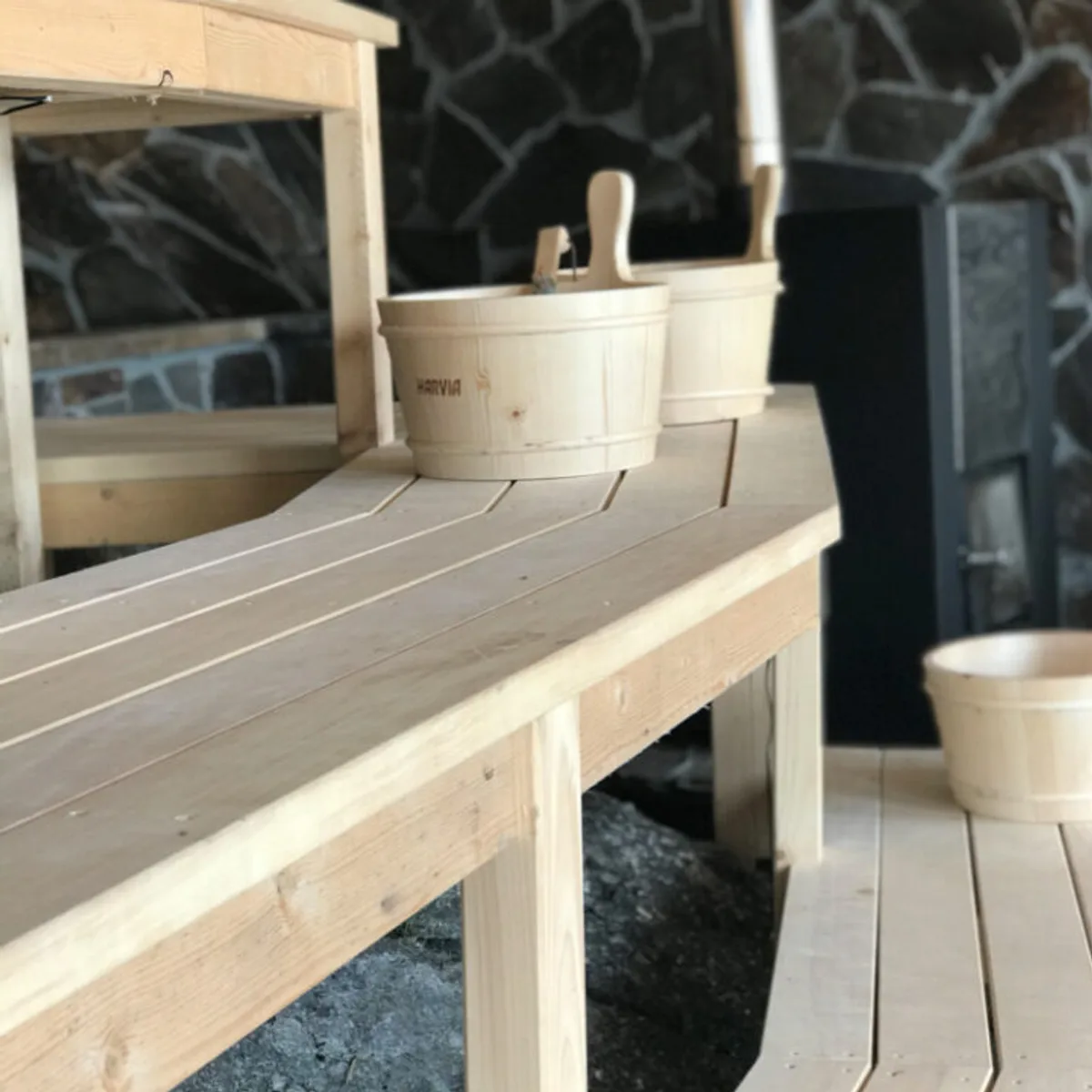
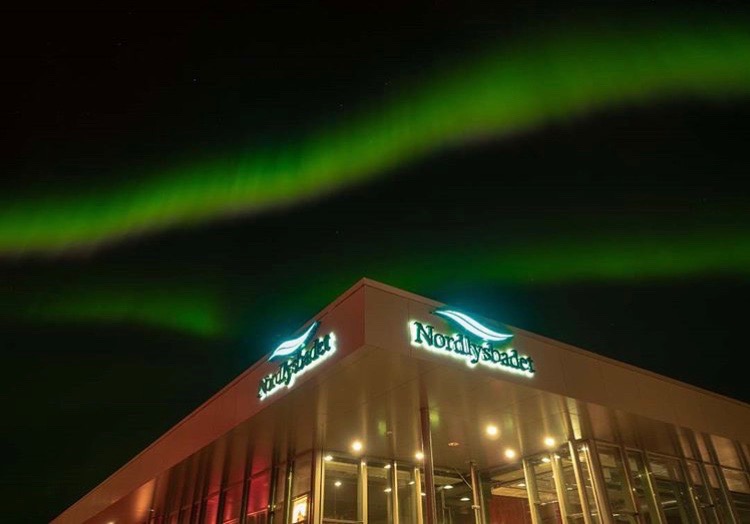
Nordlysbadet, Alta’s main aquatic and wellness centre in the town centre, is where most visitors will end up. Beyond its four pools and water slide, the wellness area includes Finnish saunas and a steam sauna, and the outdoor jacuzzi is positioned specifically to give bathers a shot at the Northern Lights on a clear winter evening — a genuinely well-designed piece of civic infrastructure for a town at this latitude.
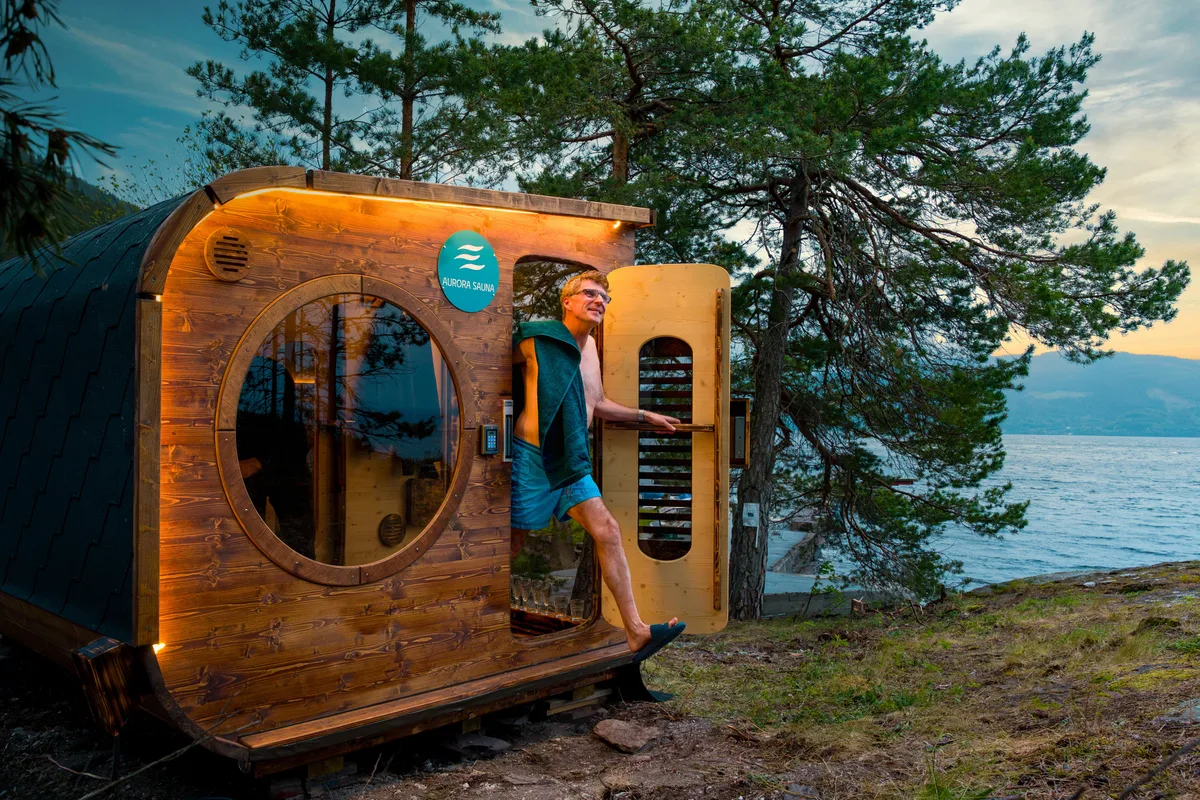
Out at the ice hotel resort, Sorrisniva Igloo Hotel Sauna offers a warm counterpoint to the sub-zero ice rooms: a one-hour sauna and jacuzzi session that works well either as a warm-up before touring the Igloo Hotel or a thaw-out afterwards. Booking ahead is worthwhile, particularly during the winter ice hotel season when the resort is busiest.
Getting There and When to Visit
Alta Airport has direct flights from Oslo, Tromsø, and other northern Norwegian towns, and the town itself is compact enough to get around on foot, with Sorrisniva a short taxi or car journey away. The Alta River, one of Norway’s best salmon rivers, also makes the area a summer draw for anglers, and the fjord and surrounding hills offer solid hiking once the snow clears.
Alta also functions as a practical staging point for the final push north: following the E6 to Olderfjord and then the E69, North Cape (Nordkapp) is around three and a half hours’ drive away, which makes Alta a sensible overnight stop for travellers working their way up to mainland Europe’s northernmost point rather than attempting it in a single push from further south.
Winter (roughly November through March) is Alta’s headline season — Northern Lights, the Igloo Hotel, snowmobiling and dog sledding tours from operators around the fjord. Summer swaps the aurora for the midnight sun and full access to the Hjemmeluft rock art trail without snow cover, plus noticeably fewer crowds than the winter ice hotel rush.
For the wider Arctic picture, our guide to Arctic sauna experiences in Norway places Alta’s saunas alongside Tromsø, Finnmark’s coast, and Svalbard. If timing a sauna session around an aurora display is your goal, our Northern Lights sauna guide covers strategy and the best venues across the north. And our guide to Tromsø covers Finnmark’s larger neighbouring hub, a common add-on for travellers combining both towns on a single northern Norway trip.
Frequently Asked Questions
Why is Alta known as the Northern Lights City?
Alta sits in a valley with a notably dry, stable winter climate compared to the coast, which gives it some of the highest Northern Lights viewing frequency in Norway. The town leans into the title with the Northern Lights Cathedral and Northern Lights Observatory.
What are the Alta rock carvings?
The Rock Art of Alta is a UNESCO World Heritage Site with thousands of carvings and paintings made by hunter-gatherers across five areas around the Alta fjord, the oldest dating back more than 7,000 years. Only the Hjemmeluft site, next to the Alta Museum, is open to the public.
Is the Sorrisniva Igloo Hotel open to day visitors?
Yes. Even if you're not staying overnight, you can buy a day ticket or join a guided tour to walk through the ice rooms, typically available from midday into the evening during its winter season.
How many saunas are there in Alta?
Two that we track: Nordlysbadet, Finnmark's main aquatic and wellness centre in the town centre, and the sauna at Sorrisniva, the resort that hosts the seasonal Igloo Hotel about 20 minutes outside town.
When should I visit Alta for the Northern Lights?
The viewing season runs roughly from late September to early April, when the sky is dark enough. Combining a clear winter evening with a sauna session — indoors at Nordlysbadet or outdoors in Sorrisniva's hot tub — is one of the best ways to wait out the aurora in comfort.
Is Alta worth visiting outside winter?
Yes. Summer brings the midnight sun, ice-free access to the full Hjemmeluft rock art site, salmon fishing on the Alta River, and hiking — the Igloo Hotel is closed by then, but Nordlysbadet operates year-round.