How Much Does a Sauna in Norway Cost? 2026 Pricing Guide
How much does a sauna in Norway cost? A clear 2026 pricing guide with verified prices from community saunas, floating saunas, and luxury hotel spas.
Norway has built one of the most varied sauna scenes in the world over the past five years — from volunteer-run community saunas in small fjord villages to luxury spa retreats in the cities. The price range is wide, and for international visitors the picture can look confusing. This guide breaks down what a sauna in Norway actually costs in 2026, with verified prices from operator websites and a clear sense of what each tier delivers. For booking logistics, see how to book a sauna in Norway.
What You Are Actually Paying For
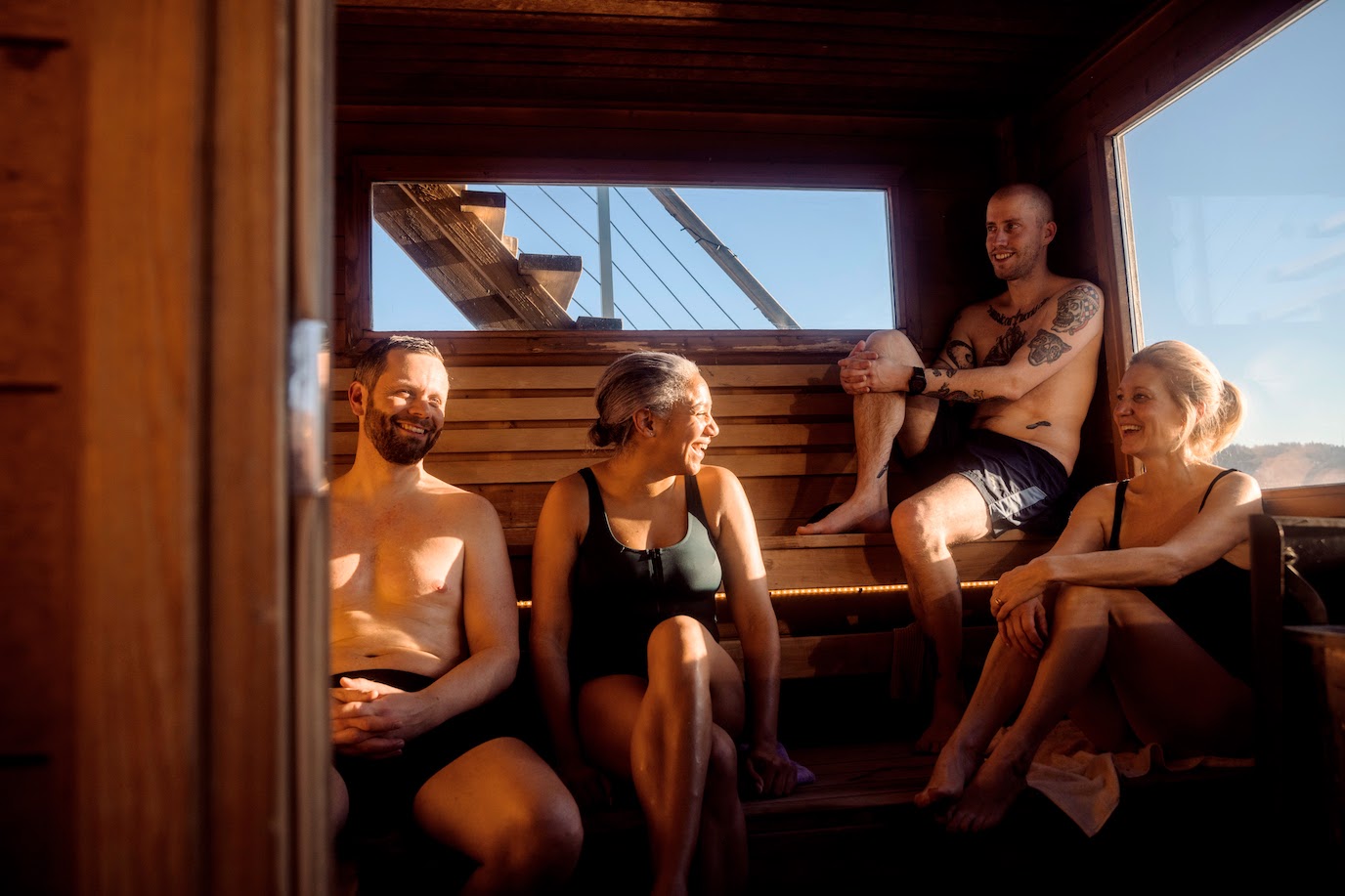
Most venues charge per person per hour, but a growing share — particularly private floating saunas — charges for the whole vessel for a fixed duration. Cost depends on five things: location (Oslo and Bergen are pricier than rural fjord towns), capacity (smaller saunas command a higher per-head rate), setting (fjord-side floating saunas cost more than indoor cabins), what is included, and whether you are dropping in to a shared session or booking the space privately.
Norway is expensive across the board, but its sauna culture has preserved an affordable layer through the network of community sauna associations — badstuforeninger — which keep prices low through volunteer labour and modest membership fees. At the top end, hotel spa days at Norway’s best wellness hotels run into four figures and deliver a half-day of pools, treatments, and guided rituals.
Community Saunas — The Cheapest Tier
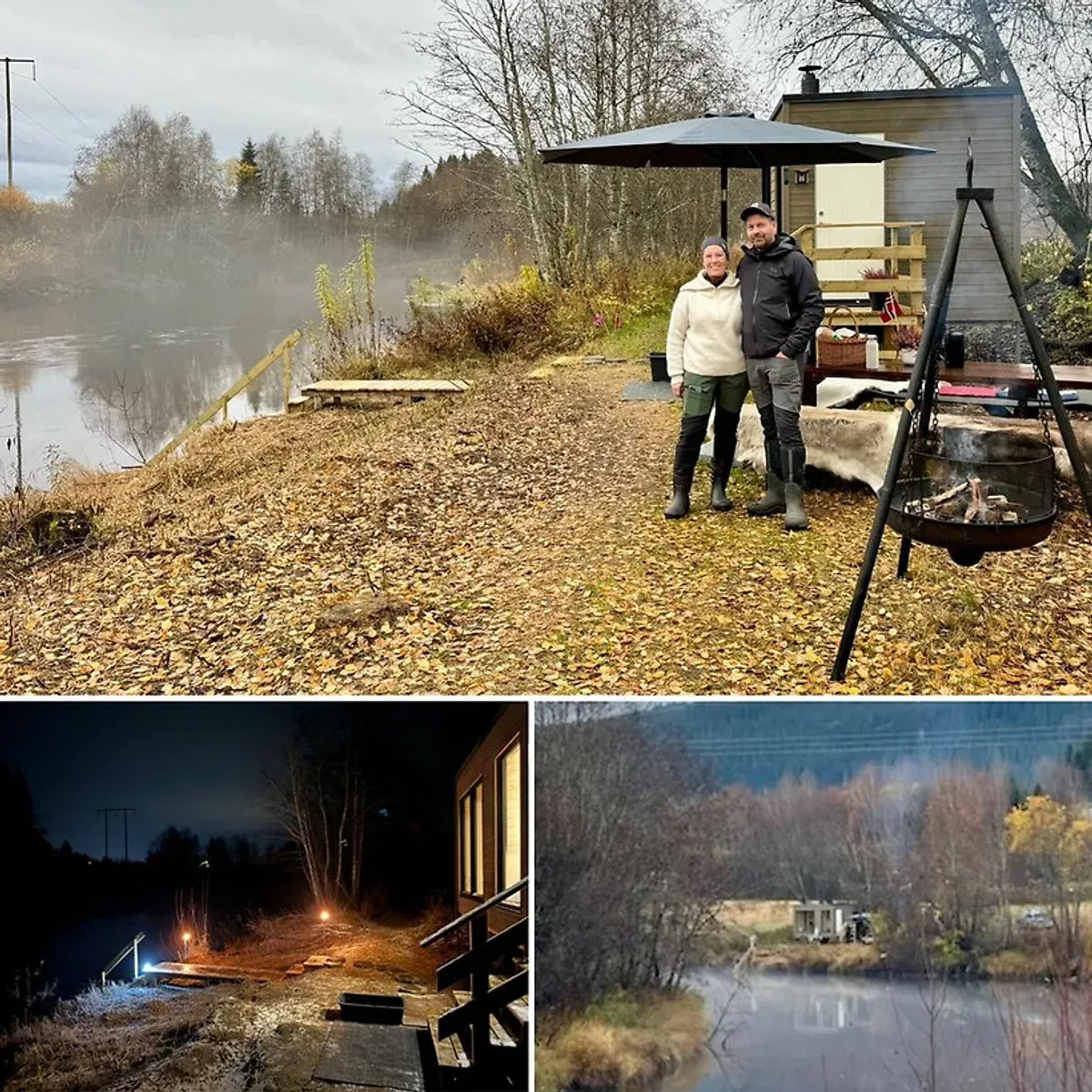
Community saunas (badstuforeninger and folkebadstuer) are typically run by volunteer associations. Drop-in prices are kept low by design, and members pay even less. These are the most affordable saunas in the country and often the most authentically Norwegian in feel.
Helgeland Badstuforening in Sandnessjøen is a representative example. Membership costs 300 NOK per year. Drop-in is 75 NOK for members and 150 NOK for non-members; children under 18 pay 50 NOK. A full private rental of the sauna costs 600 NOK for members and 1,200 NOK for non-members.
Farsund Badehus on the southern coast charges a flat 150 NOK per drop-in session, with annual membership at 1,500 NOK and family membership at 2,000 NOK.
Lilleborg Elvebadstue sits on the Akerselva river in central Oslo. Drop-in for adults is 150 NOK for 75 minutes; children are 80 NOK.
Sagene Folkebad, part of the Oslo Badstuforening network, charges 150 NOK for members and 260 NOK for non-members at drop-in. Children attend free with an adult on Saturdays during morning hours.
Other community-run options include Moss folkebadstue, Hvaler Badstuforening, and Kragerø Badstuforening — all operating on the same low-cost member-and-drop-in model. For a longer stay, joining a local association is by far the cheapest way to enjoy Norwegian sauna culture.
Budget Tier — Under 200 NOK Per Person
The next tier up covers most public drop-in saunas: small floating saunas, harbour-side cabins, and the cheaper end of the commercial market. Expect to pay roughly 99–199 NOK per person for a one- or two-hour shared session.
Fryd Askøy Herdla outside Bergen offers shared sessions at 99 NOK per person, and private hire from 199 NOK per person for one hour or 299 NOK for two hours — one of the most affordable private floating saunas in western Norway.
Bade-Olena Sauna in Skudeneshavn on Karmøy charges a flat 150 NOK per person for a one-hour session, with capacity for eight.
Hardanger Flytebadstu in Ulvik charges 150 NOK per person for drop-in and 750–1,000 NOK to book the whole eight-person floating sauna privately.
Damp Arja at Solastranden — part of the DAMP network covering southern and western Norway — costs 175 NOK per person for one hour, or 225 NOK for two hours. Children under 14 pay half price.
Sjøbadet Trondheim charges just 105 NOK per guest visit for the sauna during winter (September to May), one of the lowest year-round drop-in rates at any sea-front sauna in central Norway.
Pust — Norway’s largest sauna chain, with locations in Tromsø, Bodø, Sortland and elsewhere — has a pricing structure that starts at 150 NOK for standard adult drop-in, 113 NOK for students and youth (12–18), and 79 NOK for children under 12. Prices vary somewhat by location and time of day.
Mid-Range — 200 to 500 NOK Per Person
The mid-range covers most of Norway’s commercial sauna market: floating saunas in major harbours, well-equipped urban saunas, and the standard offering at non-luxury venues. Expect 200–500 NOK per person for one to two hours.
Damp Aino in Sandnes harbour costs 225 NOK per person for one hour or 300 NOK for two; the same operator runs a low-cost shared session at 100 NOK for two hours on Monday and Wednesday mornings and evenings. Damp Eevi at Luravika follows the same pricing, with children under 16 at half price. Damp Fevik in Grimstad applies the same per-person rate but caps payment at eight people even though the sauna holds twelve — strong value for groups of nine to twelve.
Horisontti Sauna in Vadsø in the Arctic far north charges 200 NOK for a one-hour drop-in and 2,500 NOK for a two-hour private booking; monthly membership is 300 NOK. Hombor Sauna in Grimstad runs shared sessions at 200 NOK per person and private hire from 1,200 NOK for up to twelve people. Glød Badstue in Herøy charges 250 NOK per person shared and 2,000 NOK for two-hour private hire of the seven-person sauna. Haben Badstove on Talgje, near Stavanger, charges 180 NOK per person for a 90-minute session (minimum two people).
Fjordtokt Båt & Badstu in Oslo offers drop-in from 200 NOK (one hour) to 400 NOK (two hours), and private hire of the twelve-person sauna at 2,000–2,800 NOK depending on duration. Fagernes Flytebad in Valdres charges 170 NOK for a one-hour Sunday shared session and 1,700 NOK for a private 55-minute booking of the twelve-person floating sauna.
Damperiet Sauna, Kinn Damp, Pust Bodø, and Bris Flytende Badstu all sit broadly in this tier, with most session prices between 200 and 350 NOK per person.
Premium Tier — 500 NOK and Above
At the top sit luxury hotel spas, exclusive private bookings of larger floating saunas, and guided wilderness sauna experiences. Prices typically start at 500 NOK per person and can run to several thousand for an exceptional experience.
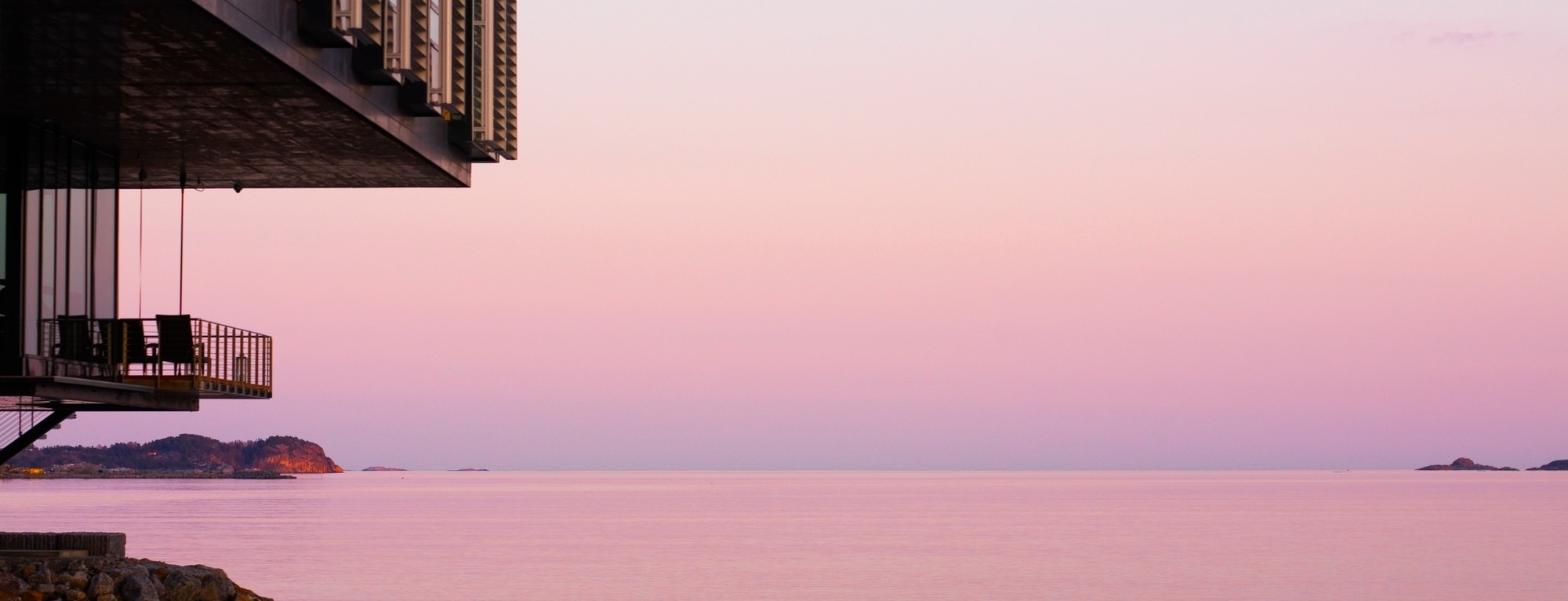
Bristol Spa at Hotel Bristol in Oslo charges from 795 NOK for hotel guest entry and from 895 NOK for non-guest entry — covering access to the Roman-bath-inspired spa with sauna, steam, and pool. Treatments are extra.
Badstubåten Atmós in Stavanger is a sauna boat with two pricing models. At dock you pay a 600 NOK heating fee plus 200 NOK per person per hour (minimum two hours, four people), so a four-person, two-hour session costs 2,200 NOK total. Out on the fjord the per-person rate rises to 300 NOK per hour (minimum four hours, six people); guide service is 1,000 NOK per hour. A six-person, four-hour fjord trip works out at 7,800 NOK.
The luxury hotel-spa segment also includes Britannia Spa in Trondheim, Farris Bad in Larvik, Hotel Alexandra Loen, Funken Lodge on Svalbard, Lidasanden flytende badstu on the Hardangerfjord, and Hamn i Senja in northern Norway — typically 600–1,500 NOK day passes, often packaged with overnight stays. Prices vary by season and are best confirmed at booking. For a guided wilderness experience, Arctic Sauna Adventure in Tromsø and Aurora Spirit / Bivrost Cabins in Lyngseidet sit at the top of the experience-led market, where the price reflects transport, expert guides, and access to dramatic Arctic settings.
What Affects the Price
A few factors shape where a particular sauna sits on the price spectrum:
- Location. Oslo and Bergen are noticeably more expensive than smaller towns. Saunas in the most spectacular natural settings — fjordside, harbour-front, Arctic coast — often command a premium for the view as much as the heat.
- Capacity. Small private saunas (six to eight people) cost more per head than larger venues holding twelve or more, simply because the operator has fewer slots to sell.
- Private vs shared. A drop-in spot in a shared session is the cheapest way to use any sauna. Booking the entire space privately typically costs three to ten times the per-person drop-in rate — but you get exclusivity and flexibility in return.
- What is included. Towel rental (typically 30–80 NOK), drinks, food, and guided experiences add up. Some venues bundle them in; most do not.
- Season. Most Norwegian saunas charge a flat rate year-round, but the most popular floating saunas in Bergen and Oslo apply weekend or peak-evening surcharges. Hotel spas in resort destinations like Loen or Senja often run summer or aurora-season premium pricing.
Private Booking Pricing Models
Norwegian saunas use two main pricing models for private bookings, and understanding the difference can save you money.
The per-person model charges each guest the same rate (often the same as drop-in or slightly less). This works well for smaller groups and floating saunas with strict capacity. The DAMP network mostly uses this model — typically 225 NOK per person for one hour or 300 NOK for two — meaning a two-hour booking for eight people costs 2,400 NOK in total.
The per-vessel model charges a flat rate for the entire sauna regardless of how many people you bring. This is increasingly common for floating saunas marketed at groups and events. Hardanger Flytebadstu’s 750–1,000 NOK private booking, Hombor Sauna’s 1,200 NOK private rate, Glød Badstue’s 2,000 NOK two-hour package, and Fjordtokt’s 2,800 NOK two-hour vessel hire all work this way. With a full group, this model is usually significantly cheaper per head than per-person pricing.
A few hybrid models exist — Damp Fevik, for instance, applies a per-person rate but caps payment at eight people even though the vessel holds twelve. In effect, a group of nine to twelve splits a fixed cost.
For a group of six to eight booking a typical floating sauna for two hours, expect a total cost of roughly 1,800–2,500 NOK. That works out to around 250–350 NOK per person — comparable to a decent restaurant main course in Norway, and considerably more memorable.
Hidden Costs and What is Usually Included
Nearly always included: the heated sauna, changing facilities, showers, and access to cold water (a plunge tub, the sea, a fjord, or a lake). For wood-fired saunas, firewood for the booked duration is included.
Commonly not included:
- Towel rental: 30–80 NOK per towel. Bring your own to save.
- Robes and slippers: Sometimes available at hotel spas; bring your own elsewhere.
- Drinks and food: Most floating saunas do not sell refreshments.
- Aroma oils: Around 150 NOK at certain operators.
- Parking: Free at most non-urban venues; paid in city centres.
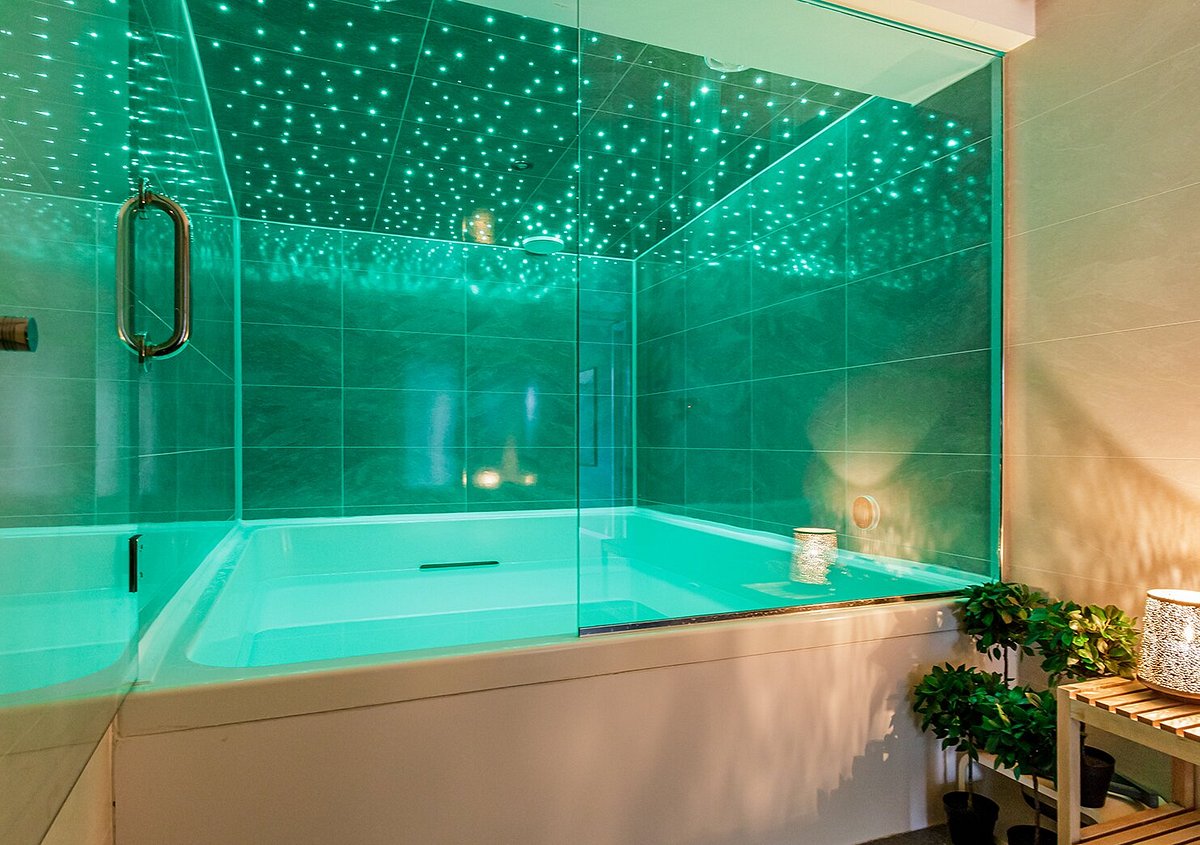
Hotel spas usually include more — pool access, steam rooms, sometimes coffee, tea, and water. Treatments such as massage are always priced separately.
How to Save Money
A few simple strategies meaningfully reduce the cost of a Norwegian sauna trip:
- Drop in to shared sessions rather than booking privately — the price difference can be three to five times.
- Book mid-week and off-peak. Weekends and evenings are most expensive at venues with dynamic pricing.
- Travel as a group and book the whole vessel. With six to eight people, per-vessel pricing usually beats per-person rates.
- Use community saunas and join associations. A 300–500 NOK annual membership at a badstuforening pays for itself in two or three visits.
- Bring your own towel. Rental adds up over a week-long trip.
- Check for child and student rates. Most venues halve the rate for children under 12–16, and some operators (like Pust) offer student pricing.
For a deeper dive into private hire economics, see our guide to private sauna hire in Norway.
Tipping at Norwegian Saunas
International visitors often ask, so this deserves a clear note. Tipping is not part of Norwegian culture and is never expected — at a sauna, hotel spa, restaurant, or taxi. Staff are paid a proper wage and service is included in the listed price. A sincere thank-you or a positive online review is appreciated far more than money. The one minor exception is high-end restaurants, where rounding up the bill 5–10 percent is increasingly common — but this convention does not extend to sauna or spa venues.
A Realistic Budget
For an international visitor planning a sauna-focused trip to Norway in 2026, per-session budget falls roughly into:
- Budget traveller: 100–200 NOK at community saunas, drop-in slots, and Pust locations.
- Mid-range visitor: 200–400 NOK for floating saunas and shared sessions at nicer venues.
- Premium visitor: 700–1,500 NOK for luxury hotel spas, full private floating sauna hire, or guided wilderness experiences.
Norway is not cheap, but its sauna culture is genuinely accessible across the price range. The most expensive option is not always the best — some of the most memorable Norwegian sauna experiences are at small volunteer-run association saunas in tiny coastal villages, where the price is low and the connection to local culture is strong.
Related Guides
Frequently Asked Questions
How much does a typical sauna session in Norway cost?
A standard public drop-in session at a community or floating sauna costs around 150–260 NOK per person for one to two hours. Members of community sauna associations pay considerably less — often 75–150 NOK. Private hire of a floating sauna for a small group typically lands at 1,200–2,500 NOK for one to two hours, depending on location and capacity.
Are there free saunas in Norway?
There are no fully free public saunas in Norway, but the cheapest tier is run by volunteer-led community sauna associations (badstuforeninger). Annual membership at places like Helgeland Badstuforening or Farsund Badehus costs 300–1,500 NOK per year, after which drop-in sessions are very inexpensive. For visitors, the lowest-cost drop-in saunas start at around 99–150 NOK per session.
What is included in the sauna price?
Most public sauna sessions include the heated sauna, changing facilities, access to cold water (sea, lake, fjord, or plunge tub), and showers. Towels, robes, drinks, and food are usually extra. Private hires include the entire sauna pre-heated with firewood for the duration of the booking. Luxury hotel spas often include the full wellness area — pools, steam, relaxation zones — and sometimes coffee, tea, or fruit.
Do I need to tip at a Norwegian sauna?
No. Tipping is not part of Norwegian culture and is never expected at a sauna, spa, or hotel. Service is included in the price. If you have had a particularly good experience, a sincere thank-you is appreciated more than a tip.