Trondheim Hamam: Norway's First Turkish Bath, Explained
Trondheim Hamam at Flatåsen is Norway's first authentic Turkish bath — humid heat, a heated marble platform, and a guided scrub, a world away from a Finnish-style wood-fired sauna. Here's how the hamam ritual works, how it differs from Norwegian sauna culture, and where it fits alongside Trondheim Spa and Sjøbadet.
Most Norwegian sauna culture runs on the same basic logic: dry heat, self-timed sessions, and a cold plunge into a fjord, lake or snowbank whenever you feel like it. Trondheim Hamam runs on none of those rules. Tucked into the Flatåsen neighbourhood south of the city centre, it markets itself as Norway’s first authentic Turkish hamam — a humid, ritual-based bathing tradition that has almost nothing in common with the wood-fired cabins and floating saunas that define bathing elsewhere in the country. Understanding what a hamam actually is, and how differently it treats heat, water and time, is the whole point of a visit here.
What Is a Hamam?
A hamam, or Turkish bath, is a bathing tradition that developed in the Ottoman world, drawing on older Roman and Byzantine bathhouse customs. Unlike a sauna, which relies on dry heat you can dial up or down yourself, a hamam is built entirely around humid heat and a fixed sequence that an attendant guides you through rather than one you set yourself.
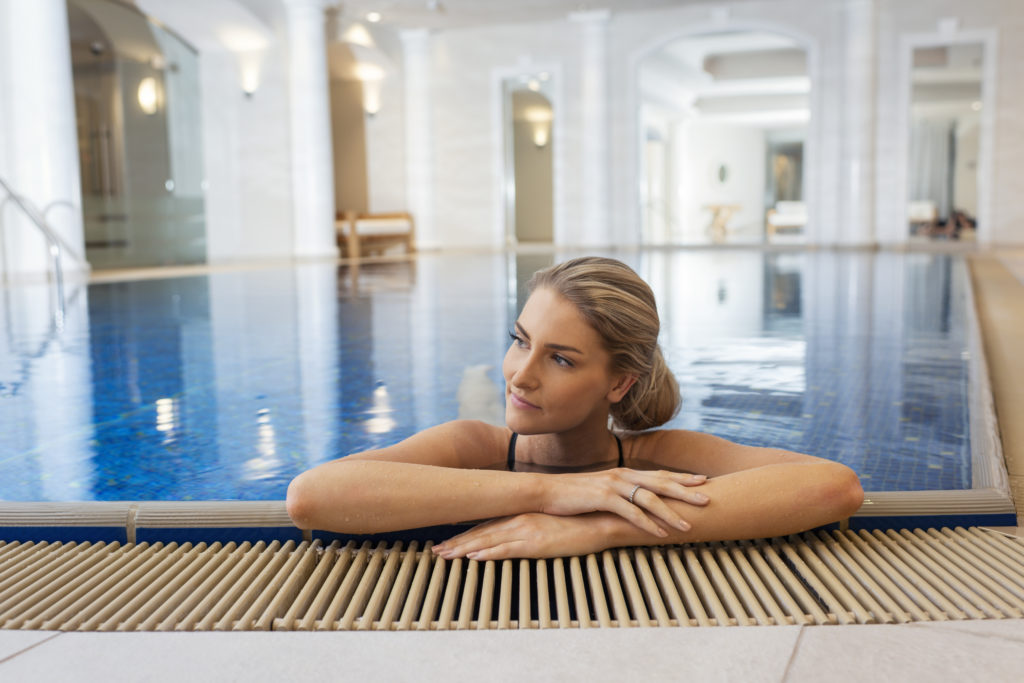
The classic layout has three connected spaces of rising temperature: a cool room where you first undress and acclimatise, a warm room where your pores begin to open, and finally the hararet, or hot room, where the session’s centrepiece sits — the göbek taşı, a broad, heated marble platform, often octagonal, warmed gently from below. You lie on it wrapped in a thin towel while the stone’s warmth works into tight muscles and the steam-saturated air keeps your skin soft rather than dry.
After the marble platform comes the part most first-time visitors remember best: the kese, a coarse exfoliating mitt an attendant uses to scrub the body from head to toe. It’s brisk rather than gentle, and it removes a genuinely surprising amount of dead skin — visibly, in rolled-up strands, which is part of the appeal rather than something to be embarrassed about. A rinse with warm and then cooler water follows, sometimes with a foam massage worked in before the final rinse. The whole sequence typically runs somewhere between 45 minutes and an hour and a half, and throughout it you stay covered by a peştemal towel — nothing about the ritual involves full exposure, and the sexes bathe separately.
The Trondheim Hamam Experience
Trondheim Hamam opened its doors in 2012 at Øvre Flatåsveg 4D in Flatåsen, about fifteen minutes from central Trondheim, and has held its position as Norway’s first authentic Turkish hamam ever since. The facility brings the traditional format described above — hot steam rooms, a heated marble platform, and a full-body scrub and wash — into a Norwegian setting, alongside a sauna, an infrared sauna and a separate relaxation area for winding down afterwards.
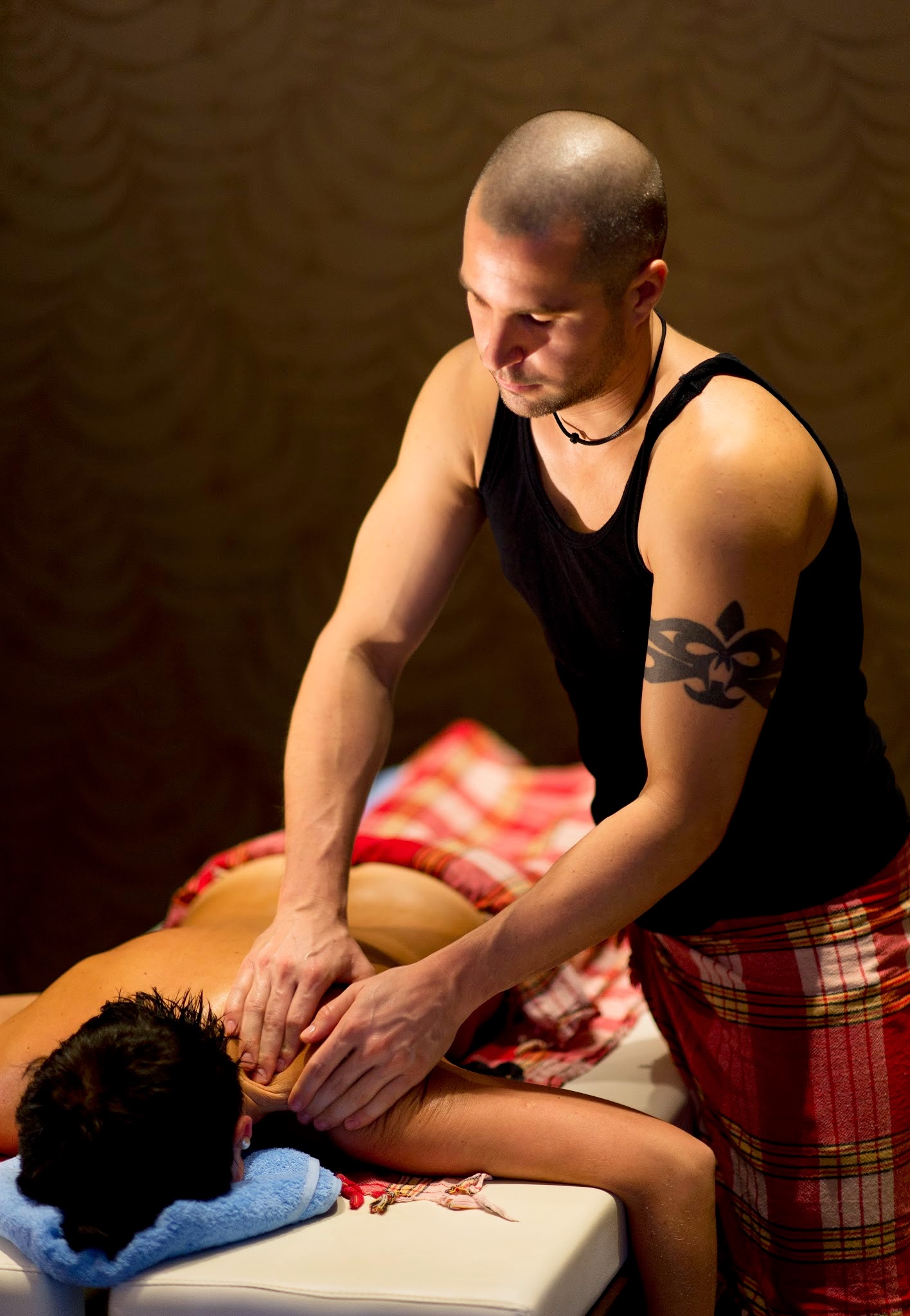
Beyond the core hamam ritual, the menu extends into a broader spa offering: facials, body scrubs, clay wraps and various massage treatments performed by staff rather than self-administered. That combination — a genuine hamam sequence plus a conventional treatment menu — makes it as much a place to book a specific service as one to simply show up and steam. The venue runs on a gender-separated basis, consistent with hamam tradition, and treatments are by appointment rather than casual drop-in, so booking ahead through trondheimhamam.no is the practical way to visit. It sits in the mid price tier for Norwegian wellness venues; check the site directly for current treatment pricing, since packages vary by what you add to the base steam and sauna access.
Hamam vs. Norwegian Sauna: The Real Difference
This is the contrast that makes Trondheim Hamam worth a special trip rather than just another stop on a sauna crawl. A Norwegian sauna — whether it’s a wood-fired barrel by a fjord in Bergen or a floating cabin at Oslo’s waterfront — runs on dry heat, typically 70–100°C, with bathers occasionally throwing water on hot stones (löyly) for a short, sharp burst of steam. The session is yours to control: you decide how long to stay in, when to douse the stones, and when to run for the cold water outside. It’s a self-directed, often social experience, frequently ending in a genuinely cold plunge that’s as central to the ritual as the heat itself.
A hamam inverts nearly every part of that formula. The heat is lower — often 40–50°C — but the air stays permanently saturated with steam rather than getting occasional bursts, producing a heavier, more enveloping warmth that works on the body differently than dry heat does. There’s no cold plunge at the centre of the experience; the ritual’s climax is the scrub and wash, not a shock of cold water. And critically, a hamam visit isn’t self-directed at all — an attendant moves you from room to room, performs the exfoliation, and controls the pacing, so you’re a participant in someone else’s sequence rather than the director of your own session.
Neither format is “better” than the other — they’re simply different traditions solving for different things. A Norwegian sauna rewards independence, contrast and often a social group session with friends. A hamam rewards surrender to a fixed ritual and a level of hands-on cleansing that a sauna, wet or dry, was never designed to provide. Visiting both while in Trondheim gives a genuinely useful before-and-after sense of how differently two heat-based bathing cultures can approach the same basic idea of getting warm, getting clean and getting relaxed.
The Rest of Trondheim’s Wellness-Bathing Scene
Trondheim Hamam doesn’t sit alone at Flatåsen — and looking at what’s nearby helps place it within the city’s wider bathing culture.
Trondheim Spa shares the same Flatåsen Senter building as the hamam, occupying the shopping centre’s basement level. It’s a more conventional Nordic-style spa and wellness centre, with sauna, steam bath and a menu of body and facial treatments, rated 4.9 on Google from local visitors. Where the hamam is a dedicated ritual space, Trondheim Spa functions more like a standard neighbourhood spa — a relaxed, accessible option with free parking, well suited to a straightforward sauna-and-treatment visit rather than a specifically Turkish bathing experience.
Sjøbadet Trondheim, down at St. Olavs Pir on the waterfront, is the polar opposite of both indoor venues. It’s an outdoor fjord bath and sauna, budget-priced, rated 4.6 on Google across 72 reviews, with the Trondheimsfjord itself standing in for a cold plunge pool. There’s no ritual, no marble platform and no scrub here — just an open-air wood-fired sauna and direct access to cold seawater, embracing the wind and weather rather than sheltering from it. It’s the most quintessentially Norwegian of the three, and a useful contrast point precisely because it shares almost nothing with the hamam experience beyond the shared idea of heat followed by relief.
Together, the three venues sketch out just how wide “wellness bathing” stretches in a single mid-sized Norwegian city: a genuine Ottoman-tradition hamam, a conventional indoor spa, and a bare-bones outdoor fjord sauna, all within a short trip of each other.
Practical Tips for Visiting
Book ahead. Trondheim Hamam runs on appointments rather than open drop-in, so check availability and opening hours on trondheimhamam.no before turning up, particularly if you want a specific treatment alongside the core hamam session. Bring swimwear or expect to wrap in a towel, and pack a change of clothes since you’ll leave with noticeably damp hair and skin. Because sessions are gender-separated, solo visits work naturally, but mixed groups should plan to split up for the duration. Give yourself more time than you think you need — between the room sequence, the scrub and a stretch of relaxation afterwards, a hamam visit isn’t something to squeeze into a lunch break. And if you’re building a full Trondheim wellness day, pairing the hamam with a visit to Trondheim Spa next door, or a bracing dip at Sjøbadet on the waterfront, shows off just how differently this city interprets the idea of getting warm.
For more on the city’s wider bathing scene, see our guide to the best saunas in Trondheim, and for the rest of what the city has to offer beyond the water, things to do in Trondheim covers Nidaros Cathedral, Bakklandet and the Nidelva river path.
Frequently Asked Questions
What is a hamam?
A hamam (or hammam) is a traditional Turkish bathhouse built around humid heat rather than the dry heat of a Nordic sauna. Bathers move through a sequence of progressively warmer rooms, finish in a hot steam room centred on a heated marble platform called the göbek taşı, and receive a full-body scrub with a coarse mitt called a kese before rinsing off. The format developed in the Ottoman world from older Roman and Byzantine bathing traditions and is still practised much the same way today.
How is a hamam different from a Finnish or Norwegian sauna?
The heat itself is the biggest difference. A Norwegian or Finnish sauna uses dry heat, often 70–100°C, with bathers pouring water over hot stones (löyly) to raise humidity briefly, then cooling off in a fjord, lake or snow. A hamam runs cooler and permanently humid — roughly 40–50°C with steam saturating the air — and there's no cold plunge at the centre of the ritual. A Norwegian sauna session is typically self-directed: you control your own heat, timing and cold exposure. A hamam visit is guided: an attendant moves you through the rooms and performs the scrub and wash, so the pacing and intensity are largely out of your hands.
Is Trondheim Hamam the only Turkish bath in Norway?
Trondheim Hamam markets itself as Norway's first authentic Turkish hamam, having opened in 2012 at Flatåsen, and it remains one of the very few facilities in the country built specifically around the traditional hamam format rather than a Nordic sauna offering steam as one add-on among several.
What should I bring to Trondheim Hamam, and are men and women separated?
Bring swimwear or a towel to wrap yourself in, and expect to leave with damp hair, so pack accordingly if you're heading elsewhere afterwards. Trondheim Hamam operates on a gender-separated basis, in line with hamam tradition, and treatments are handled by staff rather than being self-service. Book ahead through trondheimhamam.no, since sessions and treatments run on appointment slots rather than open drop-in.
How does Trondheim Hamam compare to Trondheim Spa and Sjøbadet Trondheim?
All three sit within the same small stretch of the city's wellness scene but offer distinct experiences. Trondheim Hamam is a dedicated Turkish bath with a guided ritual. Trondheim Spa, sharing the same building at Flatåsen Senter, is a more conventional Nordic-style spa with sauna, steam room and treatment menu. Sjøbadet Trondheim, down at St. Olavs Pir, is the opposite end of the spectrum entirely — an outdoor, budget-friendly fjord bath and sauna with no walls, no ritual and no membership fee beyond the entry ticket.
Is Trondheim Hamam expensive?
Trondheim Hamam sits in the mid price tier for Norwegian wellness venues — more than a basic community sauna or outdoor bath, but not in luxury hotel-spa territory. Exact prices depend on which treatments you add to the base steam bath and sauna access, so check trondheimhamam.no directly when booking.