In a valley carved by glacier and softened by centuries of forest growth, Å Camp occupies a quiet corner of Tinn municipality — a place that feels genuinely remote even though Hardangervidda, one of Europe’s largest mountain plateaux, is just minutes away by foot. This is a family-owned project built around a belief in simple, meaningful outdoor experiences: a treehouse nested in old birch, a micro cabin tucked into the hillside, bell tents scattered among the trees, and at the heart of it all, a wood-fired sauna and a set of outdoor bathtubs positioned beside a cold running river.
Sauna and River Ritual
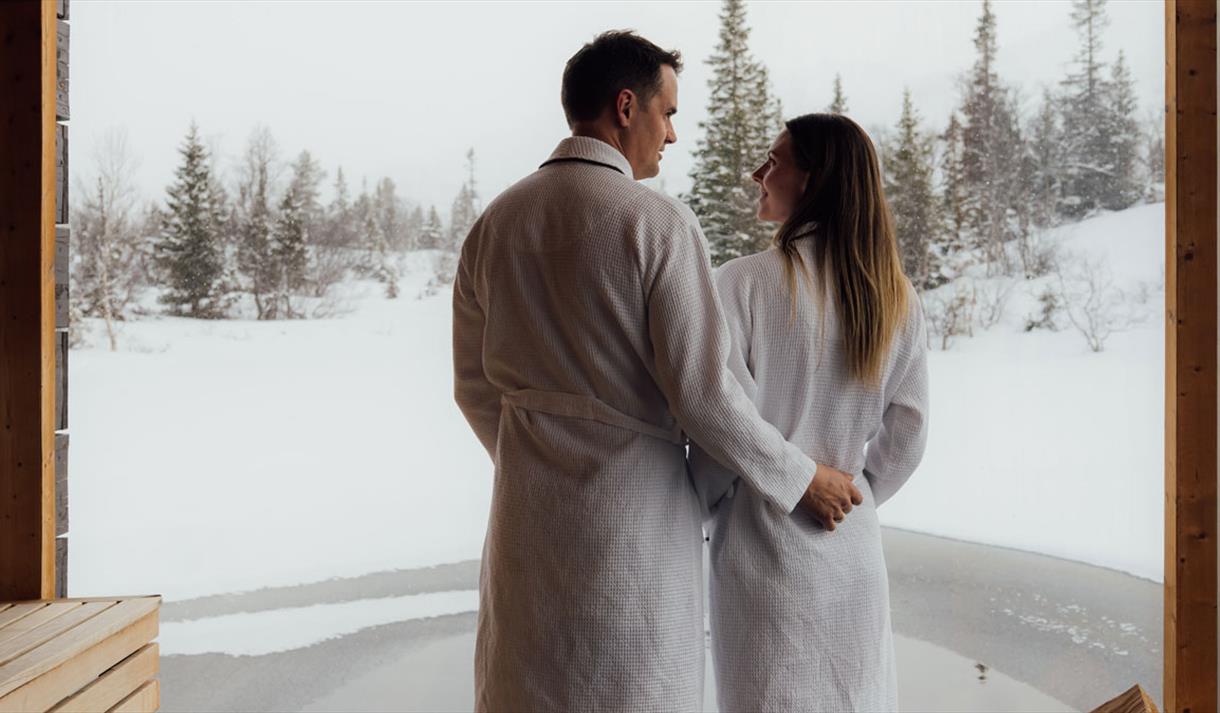
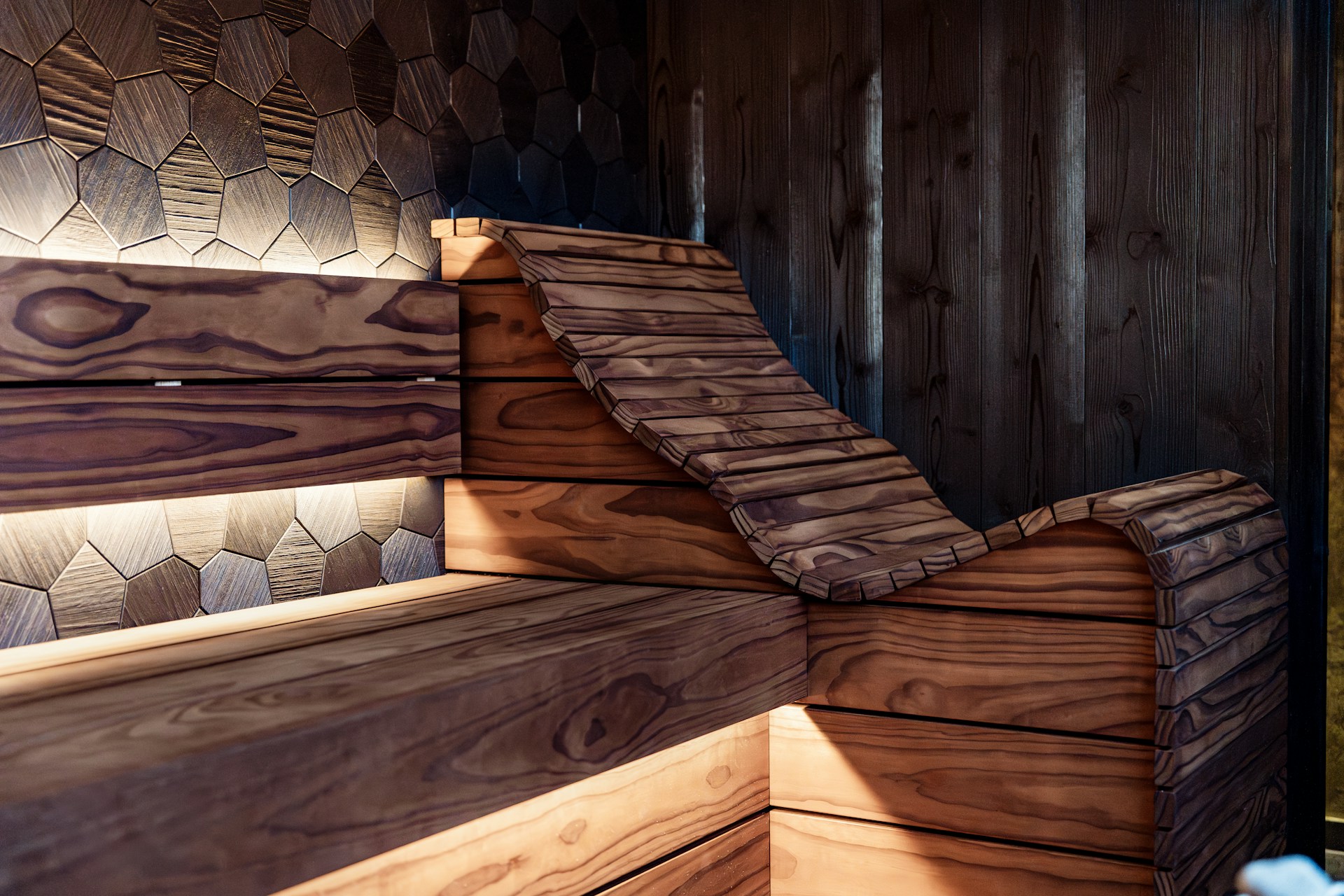
The wood-fired sauna at Å Camp is the social centre of the property — a place where guests gather after a day’s hiking, paddling, or simply sitting with a book in the forest. The stove takes time to build up properly, and that patience is part of the experience. Once at temperature, the contrast between the hot interior and the cold river waiting outside is sharp and invigorating. The outdoor bathtubs, filled with warm water and set beside the stream, offer a gentler alternative for those who prefer to ease rather than plunge into the cold. Either way, the experience leaves you deeply relaxed and strangely alert.
Accommodation and Atmosphere
Å Camp is deliberately small-scale. The accommodation options — treehouse, micro cabin, and tents — are spread through a heritage forest that has its own quiet character, shaped by decades of natural growth rather than management. The treehouse in particular is an extraordinary sleeping experience: elevated among the branches, with forest sounds filtering through at night. Breakfasts are simple and good; the camp philosophy is that most of the day should be spent outdoors.
Location and Activities
The camp sits at the foot of Hardangervidda, making it an ideal base for multi-day plateau hikes or shorter nature walks along the valley floor. The nearby Tinn river system is popular for fishing, and the surrounding area contains several significant cultural heritage sites. Rjukan and its famous industrial history — the heavy water plant, the Vemork museum, and the cable car up to Gaustablikk — are reachable within a short drive.