Things to Do in Stavanger — Preikestolen, Beaches & the Best Saunas
Your guide to Stavanger: hike Pulpit Rock, swim Jæren's wild beaches, explore the oil city's culture, and unwind in Norway's most varied floating sauna fleet.
Stavanger is a city of contradictions that somehow work beautifully together. It is Norway’s oil capital, yet surrounded by some of the country’s wildest and most unspoiled natural landscapes. It has a meticulously preserved wooden old town, yet a gallery and restaurant scene that punches well above its weight. It sits beside Norway’s broadest beaches to the south and its most dramatic cliff faces to the east. Add to this a floating sauna fleet that has transformed the city’s waterfront culture, and you have one of Norway’s most compelling destinations.
Sauna Culture in Stavanger
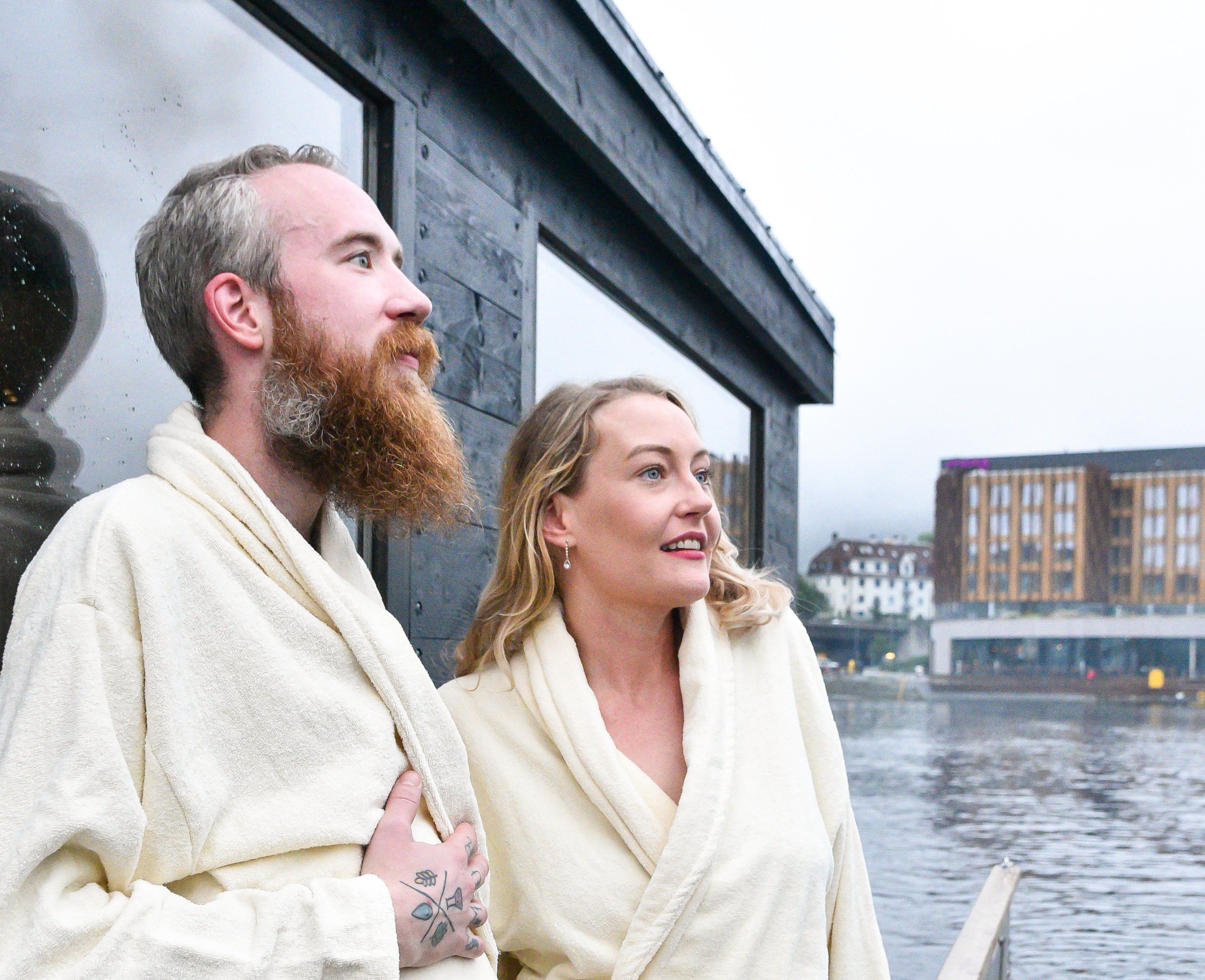
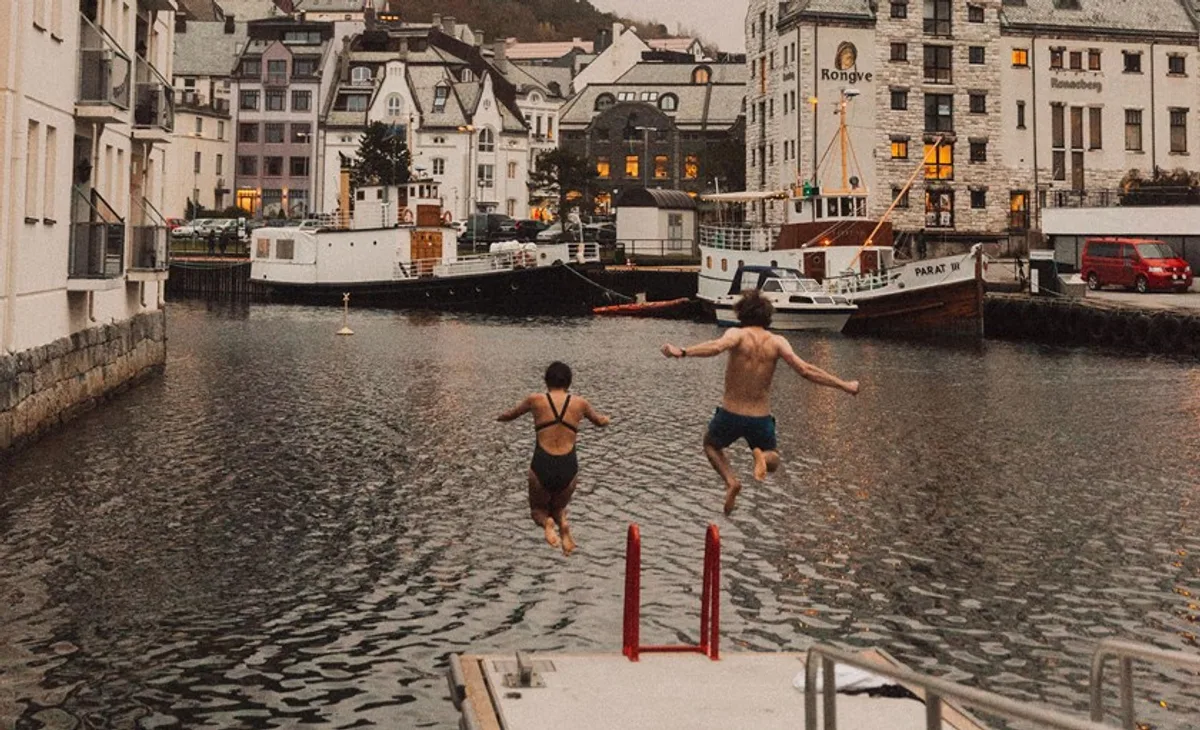
Stavanger has developed one of the most diverse and accessible sauna offerings in Norway, built around a fleet of individually bookable floating saunas that operate throughout the year. The concept is simple and deeply enjoyable: rent a floating sauna cabin for a private group, fire it up, and spend a couple of hours alternating between the heat and cold plunges into the fjord.
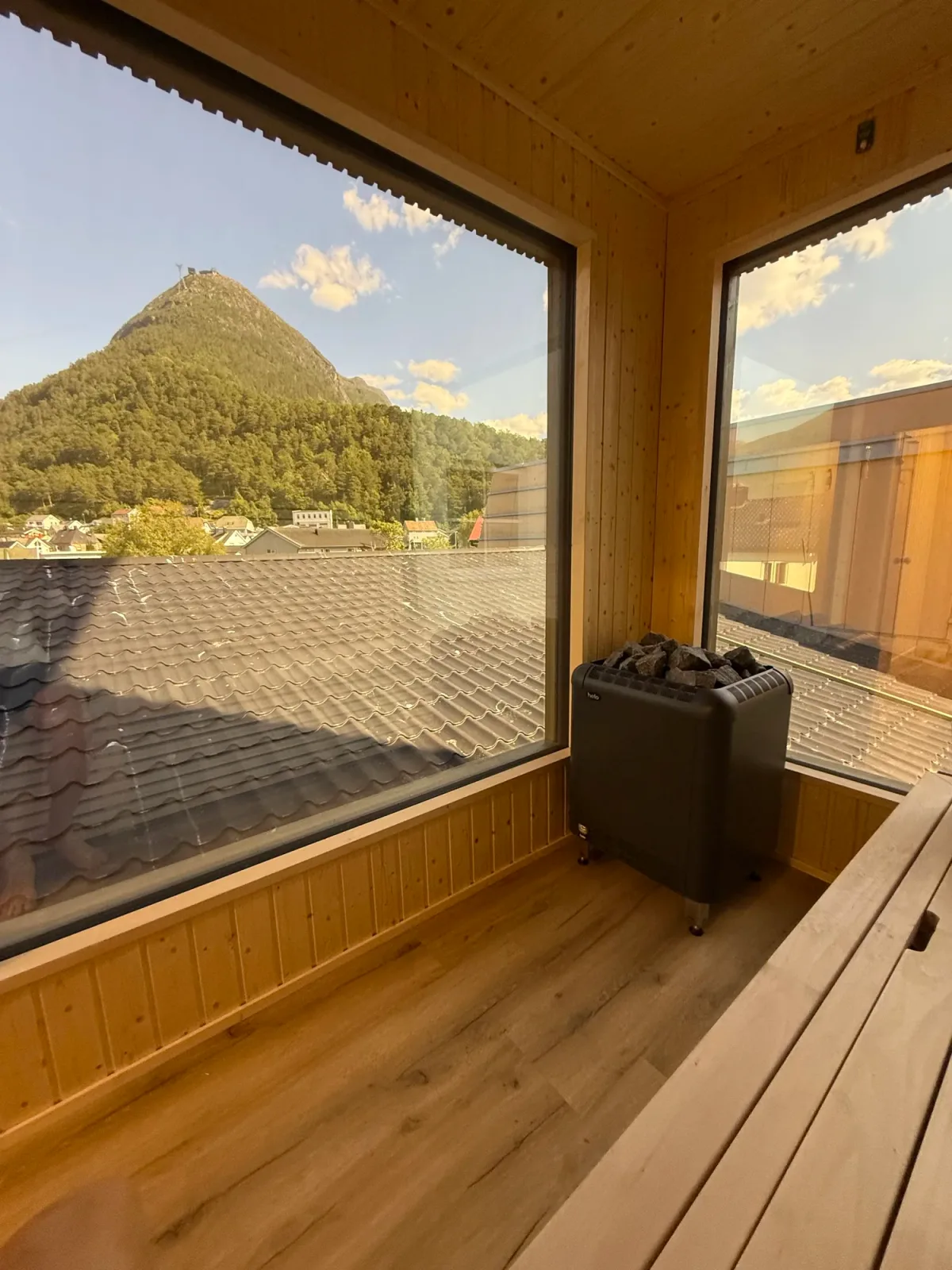
The BookSauna fleet in Stavanger is the heart of this scene, with multiple named vessels moored in or near the harbour. BookSauna Ask, BookSauna Freja, and BookSauna Otto each have their own character — some are more traditional in design, others more contemporary — but all offer the same core experience of wood-fired heat on the water. These are private bookings, ideal for small groups, and they’re popular enough that advance booking is strongly recommended, especially on weekends and in summer.
For something different, Damp Helka brings a steam sauna concept to the Stavanger waterfront — a gentler, more enveloping heat than the dry Finnish-style sauna, and particularly good for those new to the bathing ritual. Stavanger Badstuer is a local favourite with a strong regular following, offering reliable access and a welcoming atmosphere.
Out on the Jæren coast south of the city, Jæren Sauna Obrestad sits beside the wild Atlantic shoreline near the Obrestad lighthouse — one of the most dramatically situated saunas in the region. Finishing a sauna session with a plunge into the North Sea waves here is as raw and invigorating as Norwegian bathing gets.
It’s also worth noting that the nearby town of Sandnes, just 10 minutes south of Stavanger, has its own impressive sauna scene with further BookSauna vessels and Damp saunas — making the whole Stavanger–Sandnes region arguably Norway’s richest area for floating sauna experiences.
Outdoor Activities & Nature
Stavanger’s outdoor credentials are remarkable. The Lysefjord — a 42-kilometre arm of dark water hemmed in by vertical granite walls — is accessible by boat from the city and forms the backdrop for two of Norway’s most famous hikes.
Preikestolen (Pulpit Rock) is one of the most photographed natural features in the world: a flat-topped cliff rising 604 metres above the Lysefjord, with a sheer drop on three sides. The return hike from the trailhead is around eight kilometres and takes three to four hours at a comfortable pace — the terrain is rocky but well marked, and the payoff is genuinely one of the great views in Europe. To reach the trailhead, take the ferry from Stavanger to Tau and then a bus or taxi.
Kjeragbolten, the famous boulder wedged in a mountain crevice above the Lysefjord, requires a more demanding six-to-eight-hour round hike — but rewards those who make it with even more dramatic scenery and a satisfying sense of achievement.
Along the coast, the Jæren beaches stretch south from Stavanger for around 70 kilometres, forming Norway’s longest unbroken coastline. Sola beach, just 15 minutes from the city centre, is broad, wild, and excellent for walking even in rough weather. Bore beach and the surrounding dune landscape further south feel almost otherworldly in low evening light. Surfing is possible along much of this stretch, and the Jæren coastline is a protected nature reserve with significant birdlife.
Local Food & Culture
Stavanger’s city centre is compact and walkable, and its cultural life is richer than its size might suggest. The Norwegian Petroleum Museum on the waterfront is a genuinely excellent institution — technically sophisticated, thoughtfully critical, and surprisingly engaging even for visitors with no particular interest in the oil industry. The story it tells of how petroleum transformed Norway is central to understanding modern Norwegian society.
Old Stavanger (Gamle Stavanger), with its 173 preserved white-painted wooden houses, is the largest collection of wooden buildings in Northern Europe and a UNESCO-listed area. Walking through these streets in the early morning or evening, when the tour groups have thinned out, is a genuinely lovely experience. Several of the old buildings now house studios and small galleries.
Stavanger punches above its weight for dining. The city has historically held more Michelin stars per capita than any other Norwegian city, driven by a combination of excellent local ingredients — Jæren lamb, North Sea fish, early-season vegetables — and a dining culture shaped by decades of international oil industry workers. The Fiskepiren fish quay area is a good place to start for fresh, straightforward seafood.
The Stavanger Art Museum and the MUST (Museum of Urban Culture and Design) offer solid permanent collections alongside rotating exhibitions. And every summer, the Nuart Festival transforms the city into an open-air gallery with major international street art installations — the city’s walls are worth looking at year-round as a result.
Getting There & When to Visit
Stavanger Airport Sola is well connected to Oslo and Bergen with frequent domestic flights, and also has direct international services. The Flybussen airport bus takes around 30 minutes to the city centre. Stavanger is also served by Kystbussen coach services from Bergen and the Sørlandsbanen railway from Oslo (around eight hours, scenic through interior forests).
Summer is the obvious season for Preikestolen and the beaches, with long warm days and the busiest visitor numbers. The hiking season runs from roughly May to October, with July and August the warmest. For sauna experiences, however, autumn and winter are arguably even better — cold air, dark evenings, and the contrast between a hot cabin and a cold fjord intensified by the season. The Jæren coastline is dramatic in any weather.
Plan at least three days in Stavanger: one for the city and its culture, one for a fjord hike, and one for the coast. If you can extend to four or five days, the Ryfylke lakes and valleys to the northeast open up an entirely different face of the region.