Things to Do in Sandnes & Jæren — Wild Beaches, Cycling & Floating Saunas
Sandnes and Jæren offer wild Atlantic beaches, flat cycling routes, and a cluster of floating saunas — a refreshingly different side of western Norway.
Norway’s west coast is defined, in most people’s minds, by fjords — those deep, dramatic cuts into the landscape that have become the country’s most recognisable export. Jæren is something else entirely. Stretching south from Stavanger along the coast, this flat, open region is Norway’s only significant stretch of lowland terrain on the Atlantic seaboard — a landscape of long sandy beaches, working farms, ancient burial mounds, and some of the country’s most powerful surf. It’s a Norway that doesn’t appear in the brochures nearly as often as it should, and combined with the town of Sandnes and its extraordinary concentration of floating saunas, it makes for one of the most distinctive stretches of coastline in the country.
Sauna Culture in Sandnes & Jæren
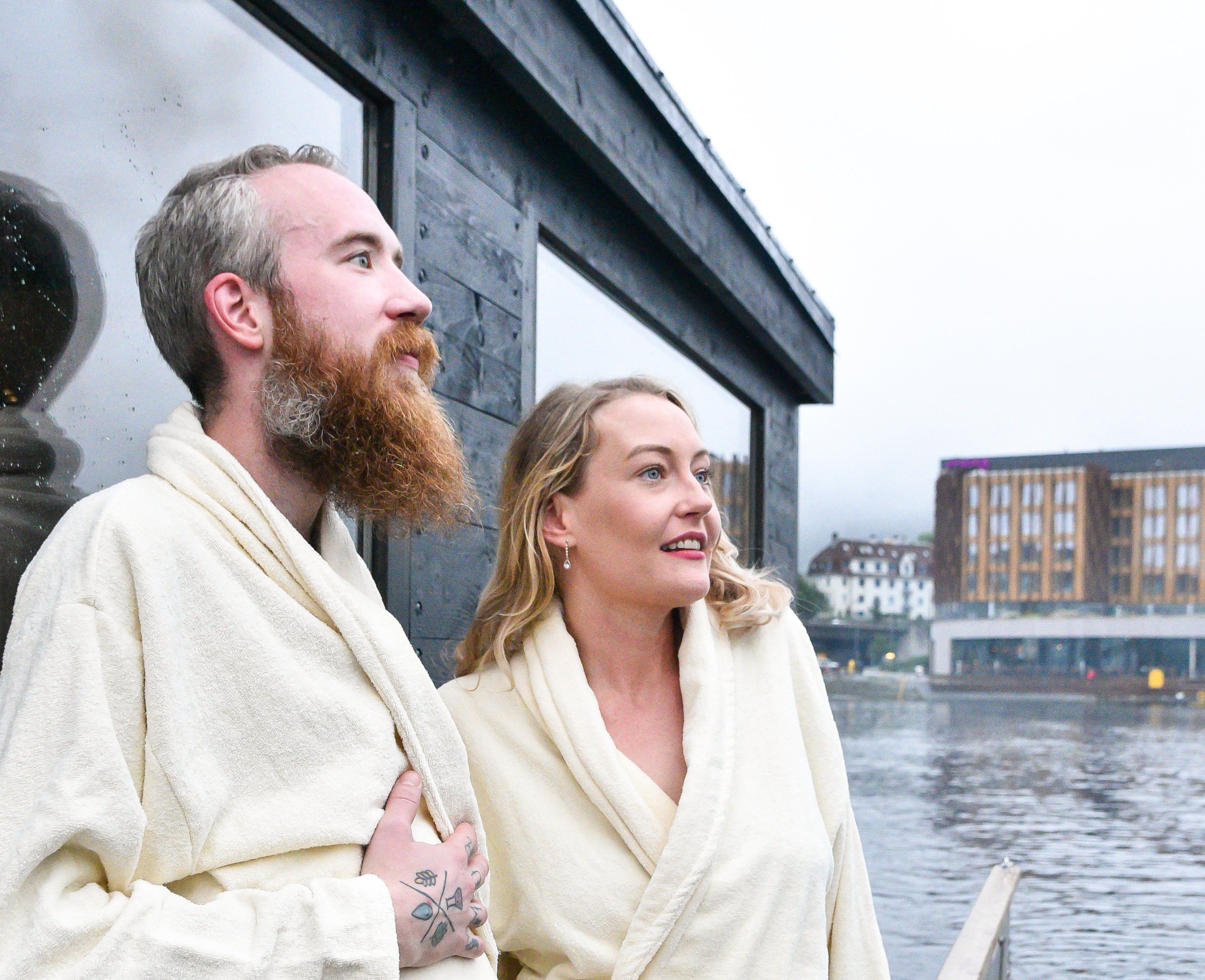
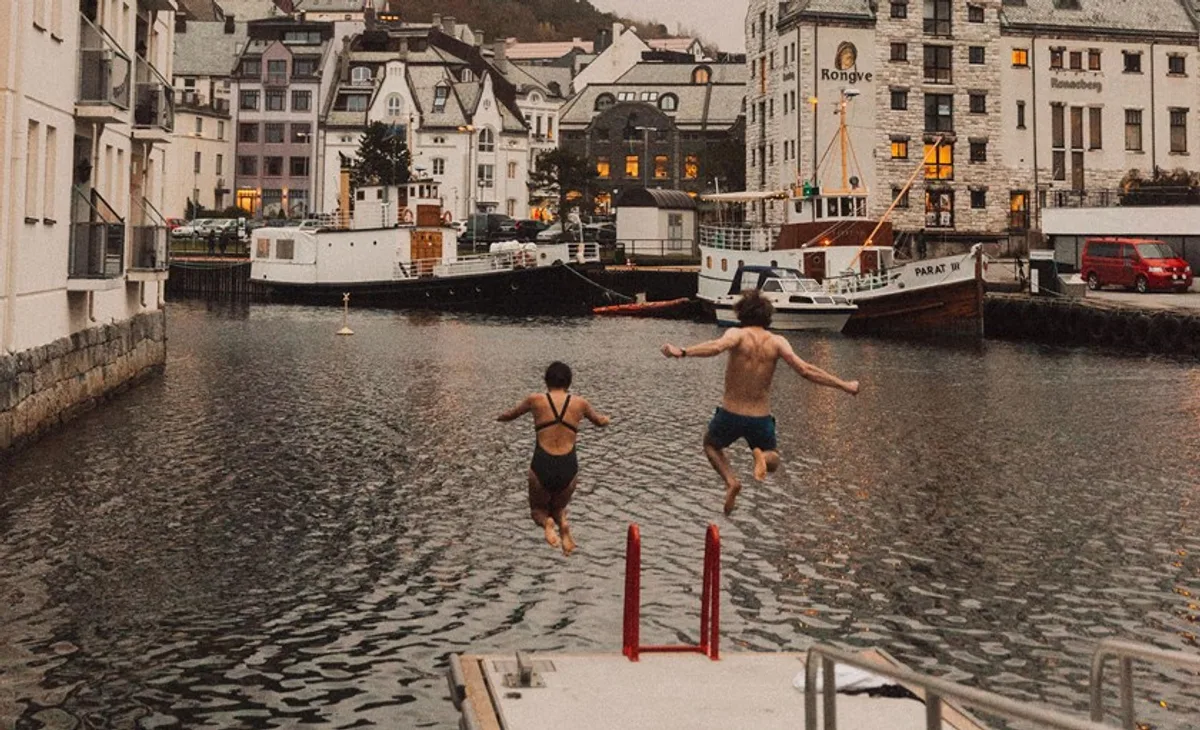
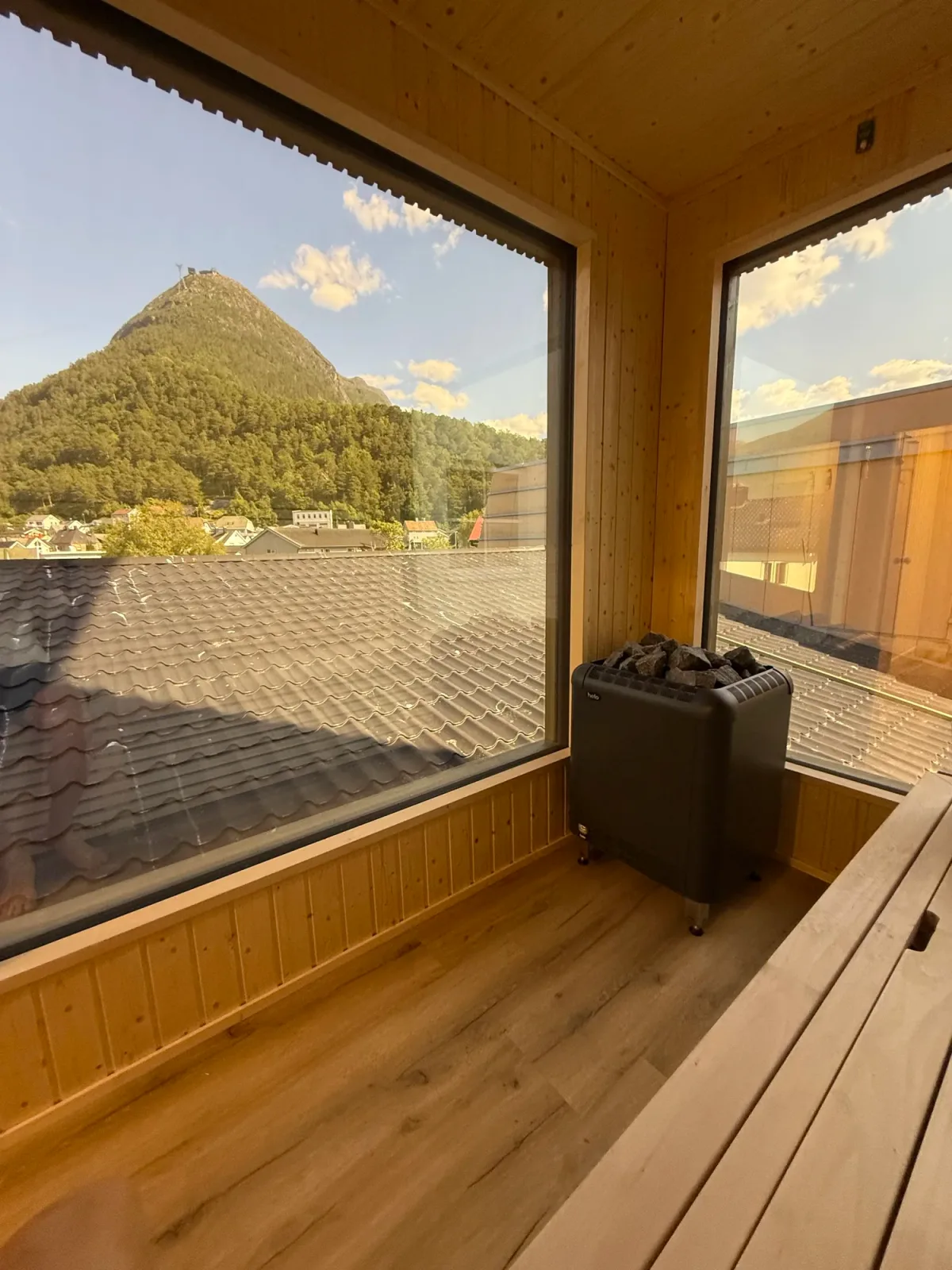
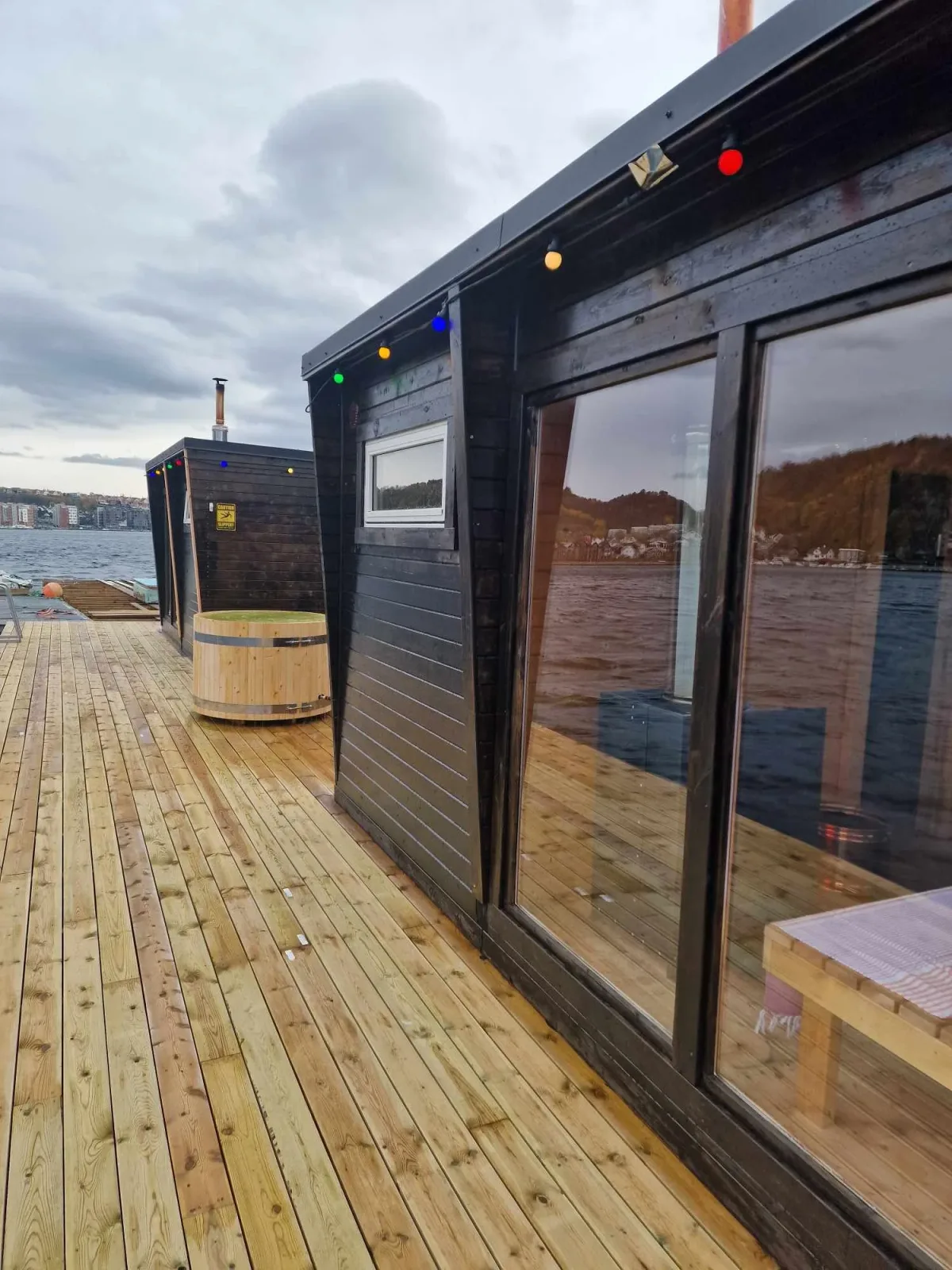
The sauna scene around Sandnes is, per capita, among the densest in Norway. A series of floating and waterside saunas operate on the calm waters of the Gandsfjord and along the Jæren coast, and the variety on offer means that whether you want a quiet solo session or a social booking with a group, there’s something well suited.
The BookSauna fleet represents the most established presence in the area. BookSauna Alex, BookSauna Felix, BookSauna Henki, BookSauna Rikke, and BookSauna Saga each offer individually bookable floating sauna experiences, with wood-fired heat, cold-water access, and the particular pleasure of sitting on a gently rocking platform with the shoreline in the distance. Booking is done online and sessions fill up quickly, particularly at weekends and during summer — advance planning is strongly recommended.
The Damp saunas add another dimension. Damp Aino and Damp Eevi bring a Finnish-influenced bathing tradition to the Sandnes waterfront, with steam sauna experiences that complement the dry heat offerings of the BookSauna fleet. The name — damp is the Norwegian word for steam — signals the approach, and regular visitors tend to develop strong preferences about which style suits their mood.
Further along the coast, Jaeren Sauna Madland and Jaeren Sauna Obrestad take the sauna experience out to the coastline itself — positioned near the wild Atlantic shore rather than the calmer fjord waters further north. The combination of sauna heat and cold North Sea air is notably bracing, and the proximity to the protected beaches of the Jærstrendene nature reserve adds a layer of scenery that the fjord-based options can’t replicate.
The Jæren Coastline
Jærstrendene is a protected nature reserve running along approximately 70 kilometres of coastline south of Stavanger. The landscape here is genuinely unlike anywhere else in Norway — flat, open, windswept, and ancient. Bronze Age burial mounds dot the coastal plain. The beaches are long and sandy rather than the pebbly coves you’d find in a typical Norwegian fjord setting. The Atlantic rolls in with force, and on the right day the surf is impressive by any European standard.
Bore beach is one of the longest and most open beaches in Norway — a broad sweep of sand backed by low dunes, facing directly into the prevailing Atlantic swell. Surfers, kite surfers, and swimmers share the water depending on conditions, and the wide beach accommodates all of them without feeling crowded. A walk along the dune edge at low tide, with the sea running far out across the flat sand, has a quality of openness that provides a complete change of pace from fjord country.
Obrestad lighthouse, perched at a low headland where the coast changes character, has been guiding ships since 1873 and remains one of the most photographed landmarks on the Jæren coast. The lighthouse keeper’s residence has been converted into a hostel, and the surrounding area offers excellent birdwatching and coastal walking.
Cycling the Jæren Route
The Jæren cycling route (Jærveien) is one of Norway’s National Cycling Routes and arguably the most family-friendly long-distance cycle path in the country. The flatness of the terrain is the key — this is genuinely accessible cycling that doesn’t require fitness levels far beyond the ordinary, and the route can be covered comfortably over two to three days with overnight stops in local farmhouses and campsites.
The route passes through small coastal villages, beside Bronze Age monuments, along beach edges, and through the agricultural interior of Jæren — a working landscape of wheat fields, vegetable farms, and traditional farmsteads that forms an interesting counterpoint to the dramatic wilderness that Norway is usually associated with. It’s a part of Norwegian culture — farming, coastal work, flat light and big skies — that international visitors rarely encounter.
Urban Cycling from Sandnes
Sandnes itself is increasingly cycle-friendly, with a network of dedicated paths connecting the town centre to the waterfront and out into the surrounding countryside. The flat terrain makes cycling a genuinely practical mode of transport here, and rental options are available for visitors who want to explore on two wheels without committing to the full coastal route.
Culture & Family Activities
Vitenfabrikken in Sandnes is a science centre aimed at children and families, with hands-on exhibits covering technology, science, and creative making. It has developed a strong reputation as one of the better family attractions in the Stavanger region and is worth a half-day visit if you’re travelling with younger children.
The Sandnes Pottery Museum reflects the town’s historical identity as a ceramics production centre — Sandnes was once one of Norway’s most significant pottery towns, and the museum documents that industrial heritage with a collection of traditional and contemporary ceramic work. It’s a smaller attraction but a characterful one, and it speaks to a side of the town that the sauna scene doesn’t.
Day Trips from Sandnes
Sandnes sits just 15 minutes south of Stavanger by train or road, making it easy to combine with Stavanger’s old town (Gamle Stavanger), its oil museum, and the city’s excellent restaurant scene. Stavanger is also the departure point for boat trips to Lysefjord and the famous Pulpit Rock (Preikestolen) — one of Norway’s most dramatic viewpoints, perched 604 metres above the fjord.
For those willing to extend the day significantly, Kjeragbolten — the boulder wedged in a crack above Lysefjord, one of Norway’s most iconic photographs — is accessible via a challenging but non-technical hike from the Øygardstøl car park, approximately two hours from Sandnes. The hike takes around four to five hours return and requires reasonable fitness and appropriate footwear.
Getting to Sandnes & Jæren
Stavanger Airport (Sola) is the regional hub, with frequent flights from Oslo and other Norwegian cities. From the airport, Sandnes is approximately 25 minutes by car or accessible by the Jæren commuter rail line. Direct trains from Stavanger to Sandnes run throughout the day and take around 15 minutes — making the two towns effectively a single destination for visitors based in either location.