Things to Do in Røros — UNESCO Copper Town, Winter Markets & Cosy Saunas
Røros is a UNESCO copper mining town with wooden heritage architecture, reindeer herding, Norway's oldest winter market, and cosy saunas in the mountain cold.
Røros occupies a category of its own among Norwegian towns. Set at 628 metres above sea level on a windswept plateau between the high fells of Trøndelag and Hedmark, it has survived fires, mining booms and busts, and brutal winters to emerge as one of Europe’s most intact examples of a working industrial settlement turned living heritage town. UNESCO granted it World Heritage status in 1980, and walking the cobbled streets of Bergstaden — the old town — still feels like moving through a preserved episode of Norwegian history. But Røros is far from a museum piece. People live here, the cultural calendar is rich, and the sauna culture that has grown up around the town’s hotels and natural surroundings offers the perfect shelter from the mountain cold.
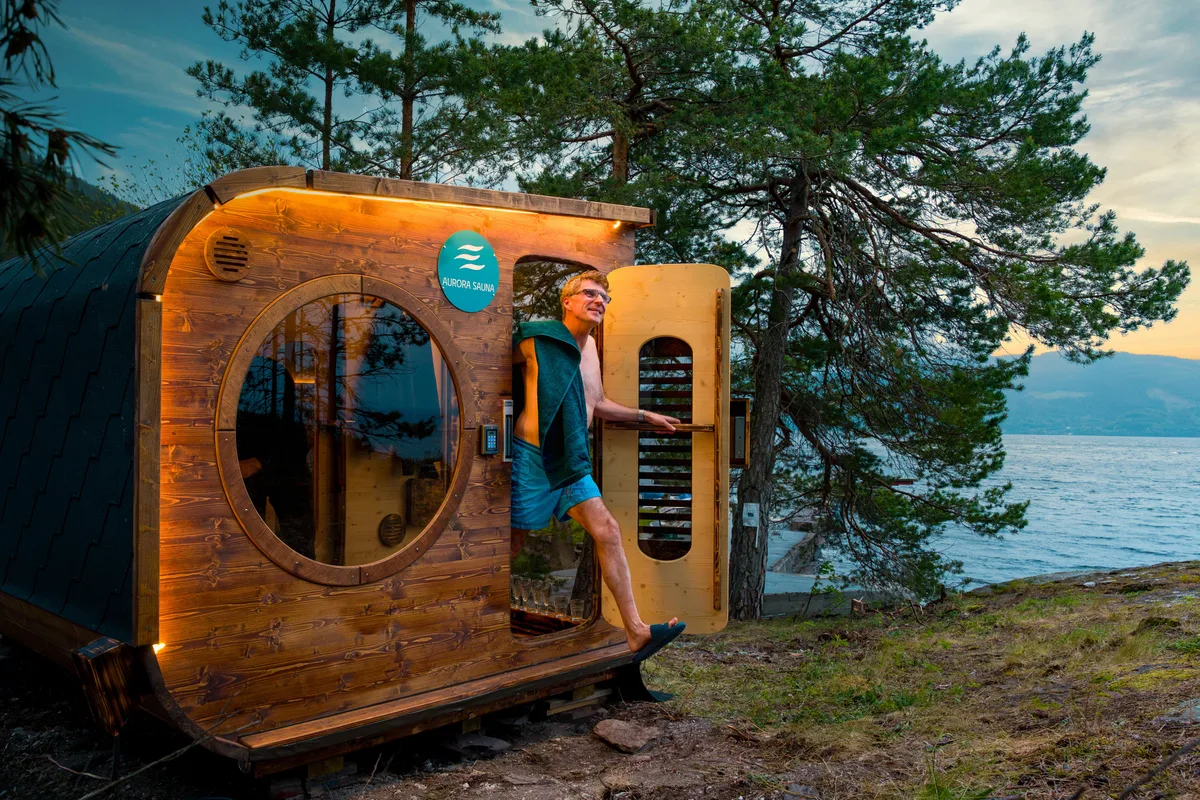
Sauna Culture in Røros
There’s something particularly right about a sauna in Røros. The town sits in one of Norway’s coldest climates — temperatures of minus 30°C are not unusual in January — and the contrast between dry heat and frozen air sharpens the experience in a way that milder locations simply cannot replicate.
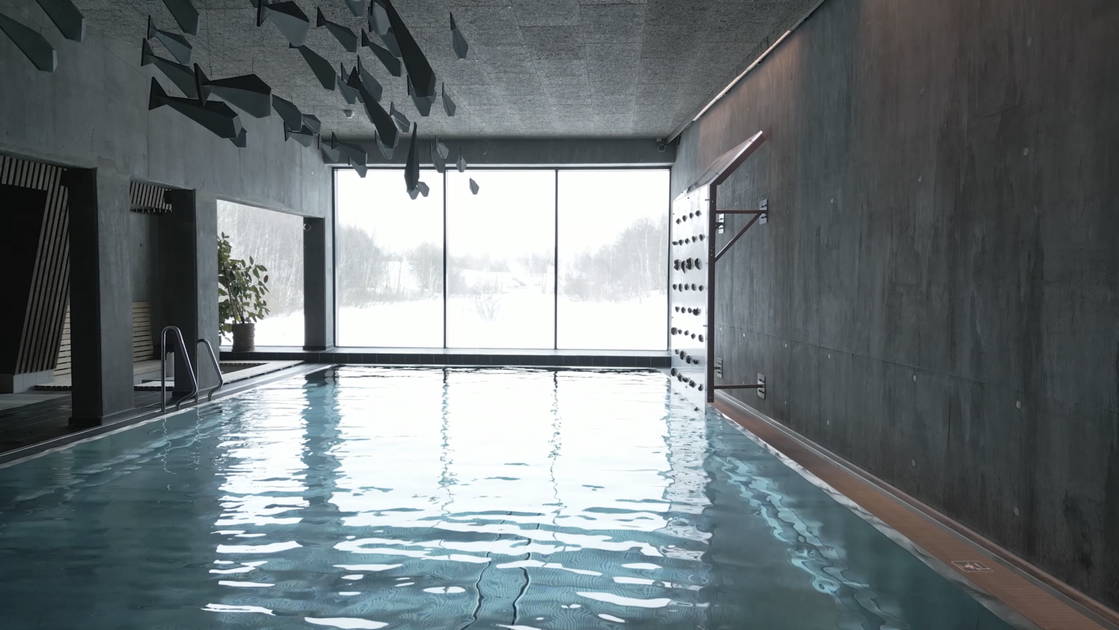
Bergstadens Hotel Spa is the most comprehensive wellness offering in town, housed within one of Røros’s established hotels and providing sauna, pool, and spa facilities that make an excellent base for a recovery day between outdoor activities. The setting — traditional architecture, mountain surroundings — adds considerably to the experience.
Røros Hotell offers its own sauna facilities with the characteristic warmth of a well-run Norwegian hotel that knows its clientele. Guests and day visitors alike benefit from access to sauna alongside comfortable common spaces that invite the kind of slow evening that Røros seems specifically designed to produce.
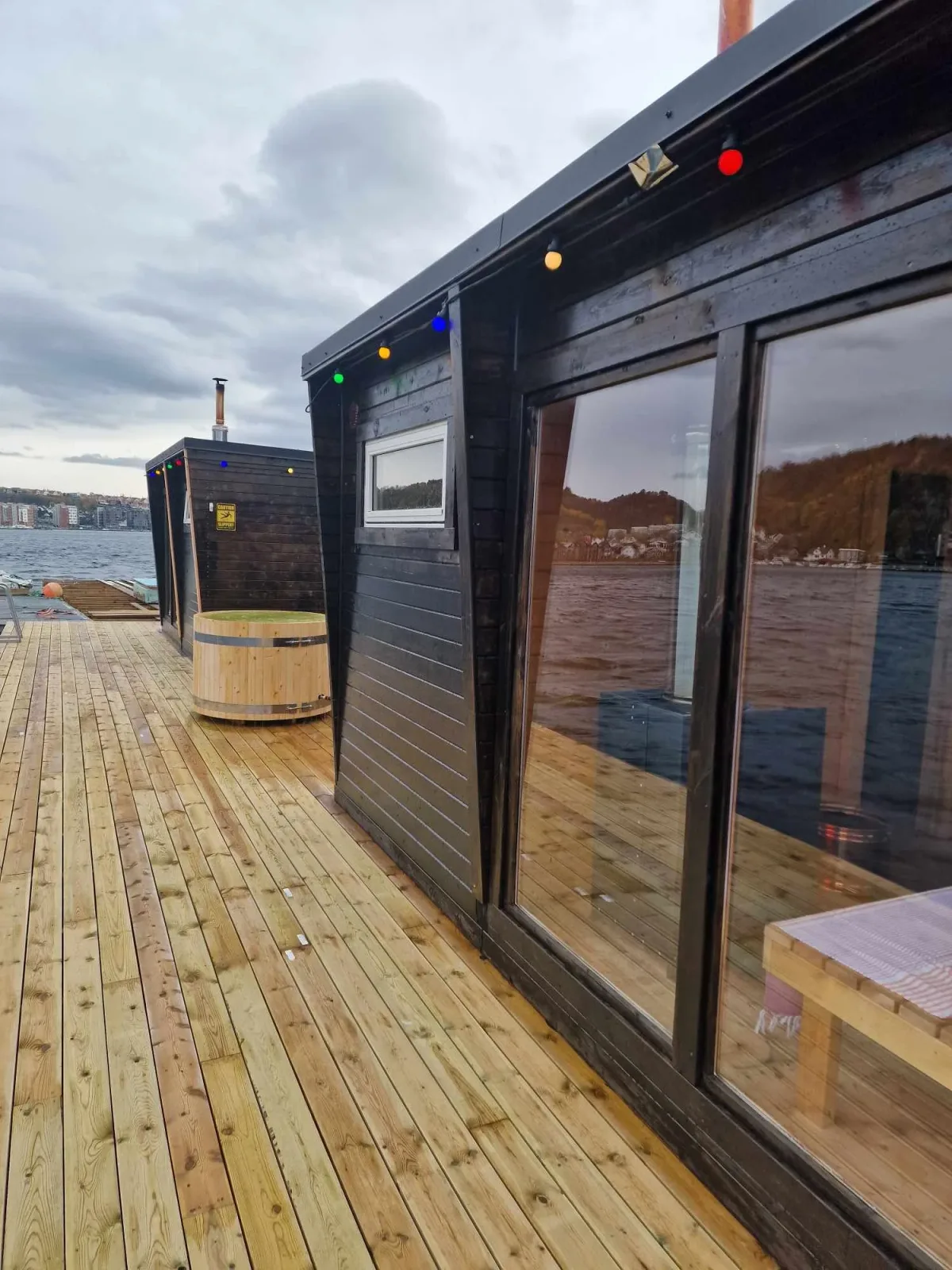
For something more directly connected to the natural environment, Gjettjønna Badstue provides a local bathing experience beside one of the area’s lakes. The combination of wood-fired sauna and cold lake water in a landscape that turns genuinely Arctic in winter is quintessentially Norwegian — and in Røros it carries an extra layer of authenticity.
UNESCO Heritage & Mining History
The story of Røros begins in 1644 with the discovery of copper in the surrounding mountains. What followed was almost 350 years of continuous mining, and the town that grew up to house the miners and their industry is what visitors come to see today.
Smelthytta — the old smelting works — has been converted into one of Norway’s most engaging industrial museums. The building itself, a large stone structure at the edge of the old town, contains exhibits covering the full arc of the copper industry, from ore extraction through smelting to the social structures that mining created. Models, tools, and reconstructed environments bring the process to life without feeling sanitised.
Olavsgruva is a working mine that has been open to visitors since 1977 and remains the most visceral way to understand what Røros’s miners actually experienced. Guided underground tours descend into the shafts and tunnels, and the constant temperature of around 5°C means a warm layer is essential regardless of the season above ground.
Røros Church, built in 1784 and known locally as Bergstadens Ziir — the pride of the mountain town — is one of the largest and most impressive rural churches in Norway. It seats over a thousand people and its interior, with painted box pews and a prominent baroque altar, reflects the wealth that copper brought to the town at its peak. The churchyard contains the graves of miners going back several centuries.
Traditional Wooden Architecture
The streets of Bergstaden are lined with timber buildings painted in ochre, rust, and dark red — the characteristic palette of Norwegian traditional architecture. Many of these buildings date from the 18th century and have been carefully maintained. The overall effect, particularly under snow, is extraordinary, and Røros has become one of the most photographed winter destinations in Norway as a result.
Seasonal Highlights
The Røros Winter Market (February)
The Røros Winter Market — Rørosmartnan — is one of Norway’s oldest and most atmospheric markets, held annually in February and drawing visitors from across Scandinavia. Reindeer sleds, traditional crafts, local food, and outdoor performances fill the historic streets across a week that celebrates the town’s heritage with genuine enthusiasm. Accommodation in Røros books up months in advance for market week, so early planning is essential.
Reindeer Herding & Sami Culture
The high fells surrounding Røros are traditional Sami herding territory, and guided experiences with reindeer herds are available through several operators in the area. Winter tours involving sleds and herding demonstrations are among the more memorable things on offer, and the cultural context — the significance of reindeer to Sami livelihoods and identity — adds depth to what might otherwise be a straightforward wildlife encounter.
Summer Activities
Røros in summer is a different proposition — warm, green, and considerably quieter than the winter peak. Cycling the plateau roads and forest tracks is a pleasure, and the relative flatness of the surrounding terrain makes it accessible for most fitness levels. Fishing in the rivers and lakes of the region is excellent, with trout the primary target. Hiking routes connect the town to the broader fell landscape, with the Femundsmarka National Park to the east offering serious wilderness for those willing to venture further.
Getting to Røros
Røros is approximately 2.5 hours from Trondheim by road via the E6 and Route 30, or accessible by the Røros Line railway — a scenic journey that crosses the plateau through birch forest and open moorland. The train from Oslo takes around four hours. Røros also sits on the route between Oslo and Trondheim for travellers with a car and time for a detour.