Things to Do in Oslo — Saunas, Culture & Outdoor Adventures
Discover the best things to do in Oslo — from floating saunas on the Oslofjord to world-class museums, hiking in Marka, and the vibrant Aker Brygge waterfront.
Oslo is one of Scandinavia’s most liveable capitals — a city where dense forest meets open fjord, where world-class museums sit minutes from wild swimming spots, and where bathing culture has woven itself into everyday life. Whether you’re here for the architecture, the food scene, or simply to disconnect in a wood-fired sauna on the waterfront, Oslo rewards the curious traveller in ways that few European capitals can match.
Sauna Culture in Oslo
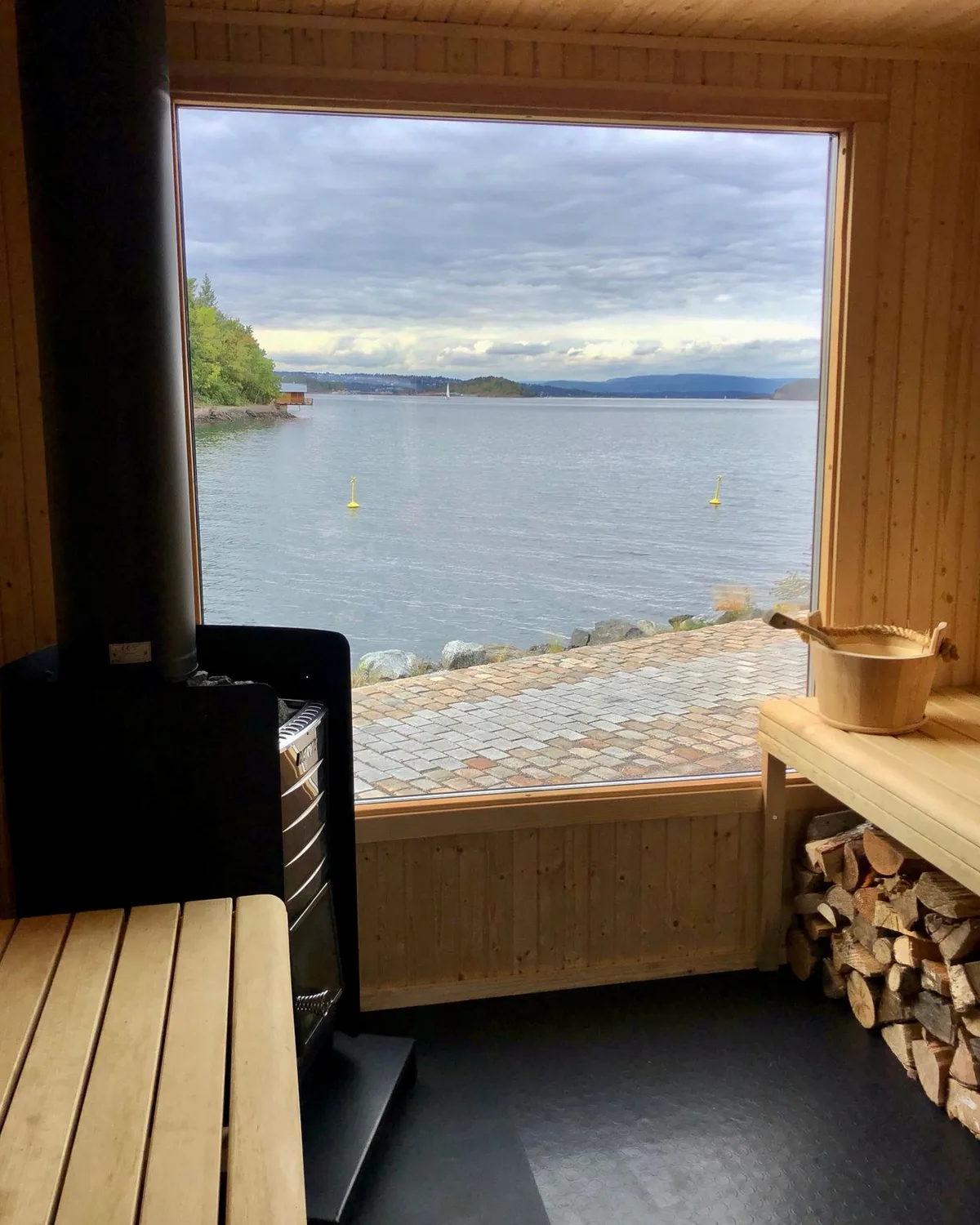
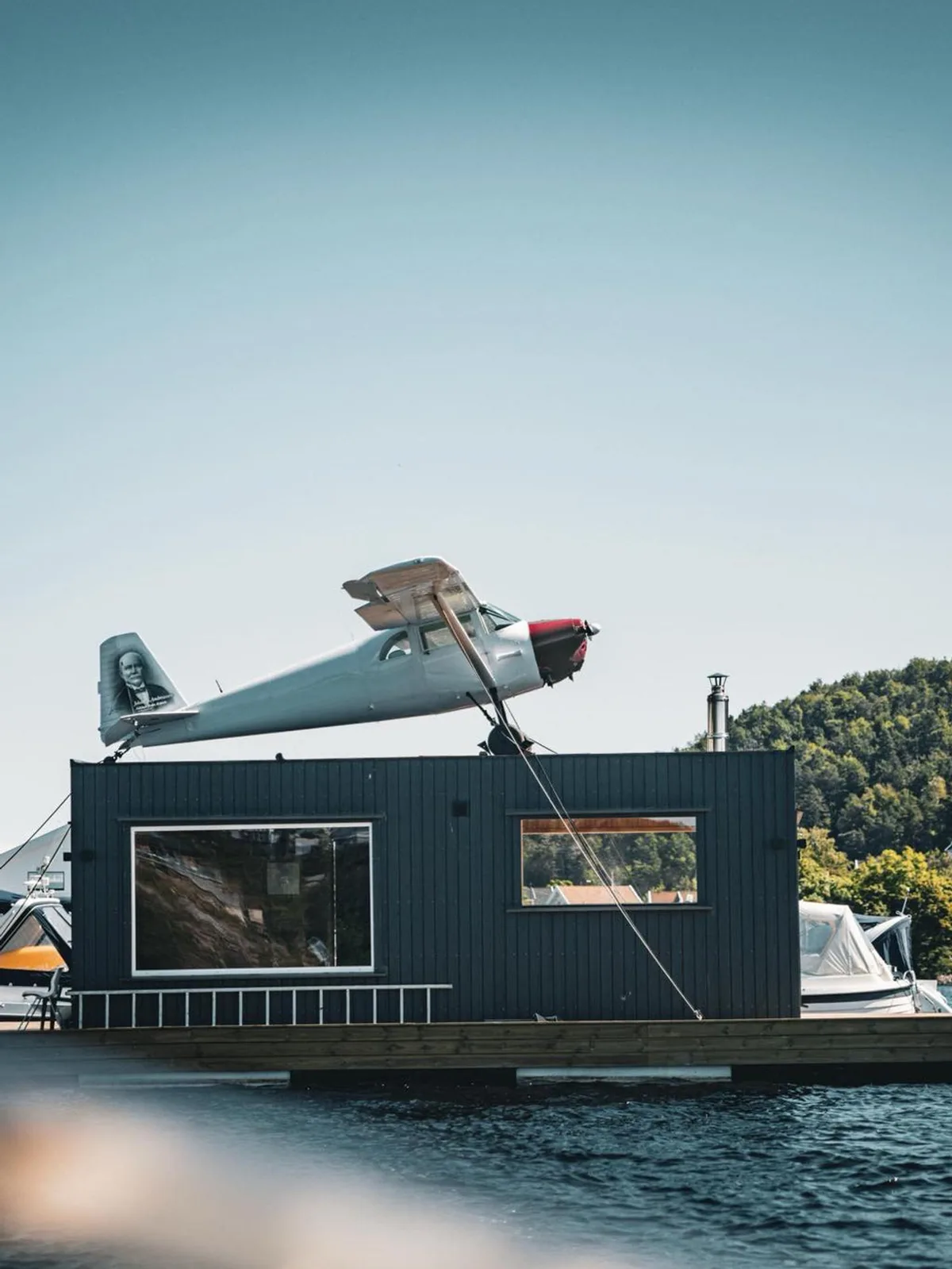
Oslo has embraced the outdoor sauna scene with genuine enthusiasm. The city’s relationship with the Oslofjord is central to this — locals treat the shoreline as a year-round playground, and the cluster of floating and harbourside saunas that have popped up in recent years reflect that deep connection to the water.
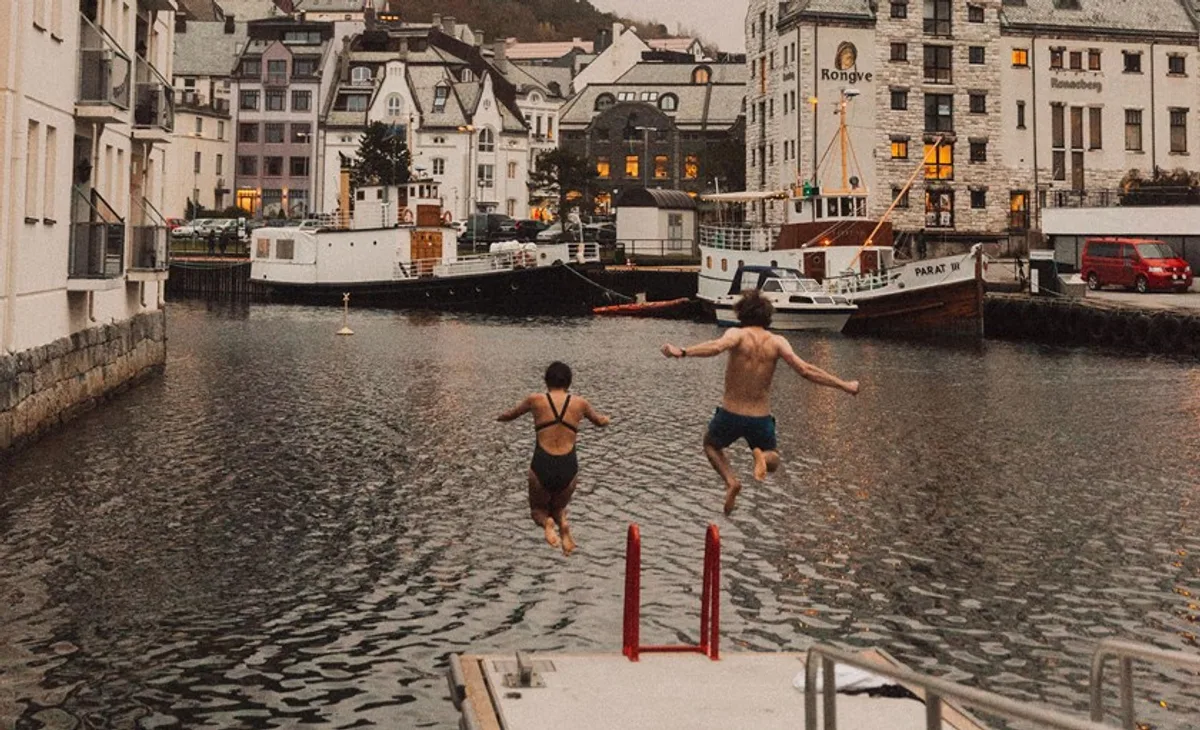
Bademaschinen is perhaps the most iconic of Oslo’s floating saunas, moored at Aker Brygge right in the heart of the city. Stepping out of a wood-fired sauna cabin and plunging into the Oslofjord with the Oslo Opera House in your sightline is an experience that stays with you. The location alone makes this a must-visit — and bookings go fast, so plan ahead.
Further east along the shoreline, Badstuvogna Bekkelagsbadet offers a more neighbourhood feel, set at the historic Bekkelagsbadet outdoor swimming area. It’s a favourite among locals who combine sauna sessions with open-water swimming. Badstuvogna Ulvøya takes things a step further, occupying a quieter stretch of the inner fjord near the island of Ulvøya — ideal if you prefer your sauna sessions away from the bustle of the city centre.
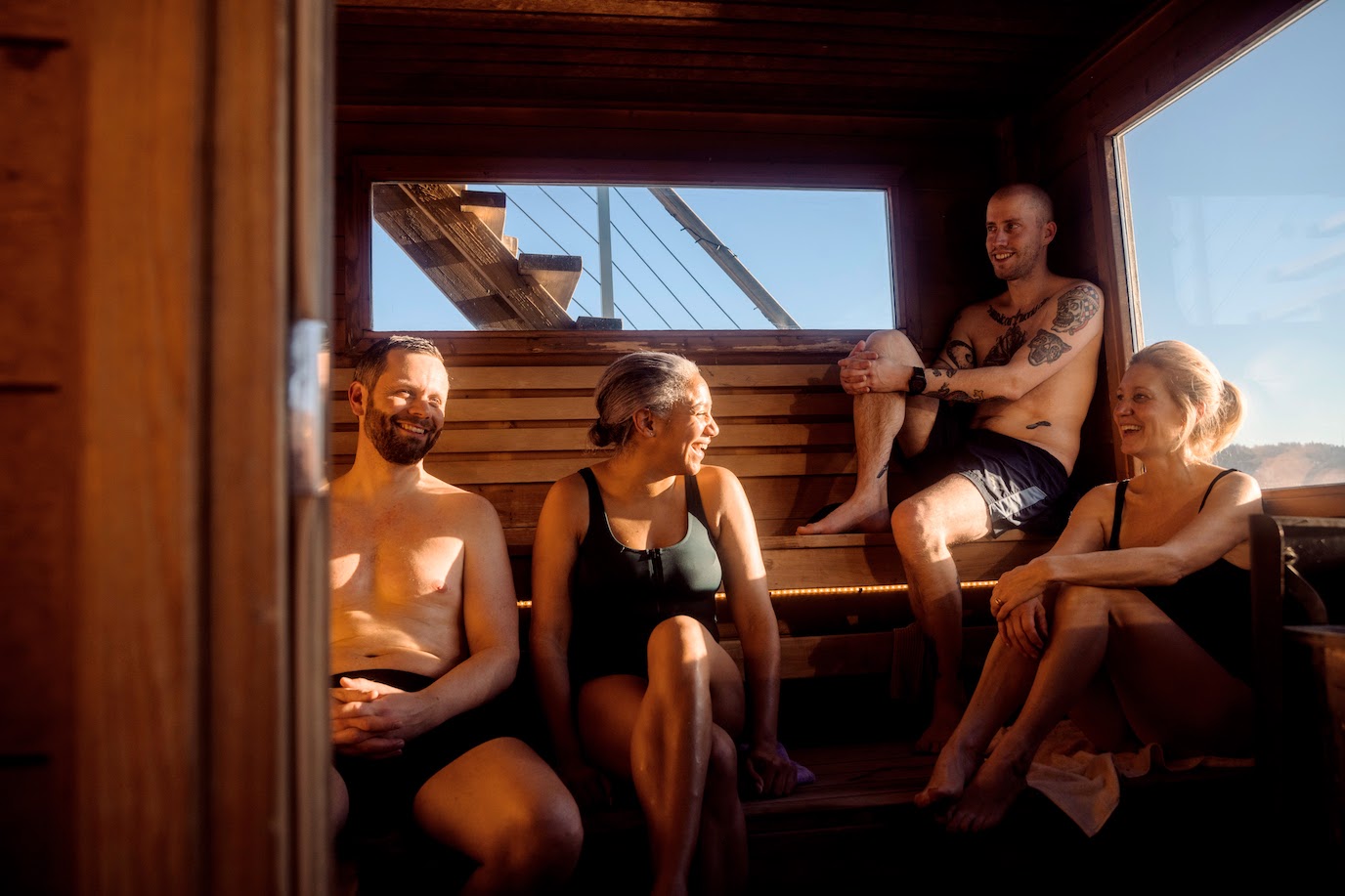
For a polished, bookable experience with a social atmosphere, KOK Oslo has built a loyal following. The setup pairs barrel saunas with cold-water access and a genuine sense of community — this is the kind of place where you’ll find yourself staying far longer than planned. Meanwhile, Folk i Storgata brings a community-minded edge to the sauna scene, operating as much as a cultural space as a bathing venue.
If your visit includes a night at a classic Oslo hotel, Grand Hotel Oslo houses one of the city’s most elegant spa and sauna facilities — a fitting treat after a day of sightseeing. For fitness-focused visitors, Bislet Bad og Trening near the famous Bislet Stadium combines a full training centre with sauna access. And for something truly memorable, Fjordtokt Båt & Badstu offers guided boat trips on the Oslofjord that incorporate sauna stops along the way — a brilliant way to see the fjord from the water.
Outdoor Activities & Nature
Oslo’s greatest secret is how quickly nature takes over once you leave the city centre. The Marka forest — a vast expanse of woodland and lakes that rings the city — is accessible by T-bane (metro) within 20 minutes. In summer, trails wind through birch and pine past wild swimming lakes; in winter, over 2,600 kilometres of groomed cross-country ski tracks make this one of the world’s great urban ski destinations.
Holmenkollen, perched on the ridge above the city, is worth the trip even outside competition season. The ski jump is a striking piece of architecture, and the Ski Museum inside offers a surprisingly deep dive into Nordic outdoor history. On a clear day the views across Oslo and the fjord from up here are spectacular.
Back at sea level, the Oslofjord archipelago — a scattering of small islands reachable by ferry from Aker Brygge — offers some of the best swimming and kayaking accessible from any European capital. Hovedøya, Gressholmen, and Langøyene are all popular day-trip destinations in summer, combining rocky shorelines, meadows, and occasional ruins with clear, swimmable water.
Vigeland Park in Frogner is another essential stop — a unique open-air sculpture park displaying over 200 works by Gustav Vigeland, completely free to enter and genuinely unlike anything else in the world.
Local Food & Culture
Oslo’s food scene has matured considerably over the past decade. The Mathallen food hall in Vulkan is the best single-stop introduction to Norwegian producers: artisan cheeses, smoked meats, freshly baked bread, and some of the country’s best coffee all under one roof. For a more traditional Norwegian meal, look for restaurants serving klippfisk (salted cod), gravlaks, or reindeer — these dishes tell a cleaner story of Norwegian food culture than most tourist-targeted menus.
Aker Brygge and the adjacent Tjuvholmen district form a lively waterfront quarter with outdoor dining, gallery spaces, and a branch of the Astrup Fearnley Museum of Modern Art — the building itself, designed by Renzo Piano, is reason enough to visit. The permanent and rotating collections cover international contemporary art with real ambition.
Oslo’s museum offering is genuinely world-class. The National Museum houses Norway’s largest collection of art, design, and architecture, including Edvard Munch’s original The Scream. The Fram Museum and Kon-Tiki Museum on the Bygdøy peninsula bring polar and seafaring exploration to life in a way that captivates visitors of all ages.
Getting There & When to Visit
Oslo’s Gardermoen Airport is well connected to the rest of Europe and beyond, with the Airport Express Train (Flytoget) delivering you to the city centre in around 20 minutes. The city’s public transport network — T-bane, tram, and bus — is efficient and easy to navigate with an Oslo Pass, which also covers museum entry.
Oslo is rewarding in every season. Summer (June–August) brings long daylight hours, the buzzing waterfront, island-hopping, and outdoor sauna season at its most social. Autumn is golden and quieter. Winter, while cold and dark, is when sauna culture becomes genuinely elemental — there is nothing quite like a heated sauna session followed by a plunge into a near-freezing fjord on a clear December evening. Spring (April–May) offers milder temperatures and the forests gradually coming alive.
Oslo doesn’t shout about itself — but spend a few days here, and you’ll understand why it consistently ranks among the world’s most liveable cities. Book a sauna session on the waterfront, walk into the Marka, and let the city unfold at its own pace.