Things to Do in Jotunheimen — Norway's Highest Mountains & Mountain Saunas
Hike Besseggen, summit Galdhøpiggen, and recover in a mountain sauna. Your guide to Jotunheimen National Park — Norway's high alpine heartland.
Jotunheimen translates as “Home of the Giants,” and it earns the name. Norway’s highest mountain range contains both the country’s two tallest peaks — Galdhøpiggen at 2,469 metres and Glittertind at 2,464 metres — and the Besseggen ridge, the most popular hiking route in Norway by a considerable margin. This is the Norway of Henrik Ibsen’s Peer Gynt, of dramatic plateaux, of snow bridges over turquoise glacial lakes, and of mountain air so clear that the horizon seems further away than it should. A sauna at the end of a day in this landscape is not a luxury — it is a necessity.
Besseggen — Norway’s Most Famous Mountain Hike
The Besseggen ridge traverse is the route that defines hiking in Jotunheimen for most visitors. The classic walk follows the narrow ridge between Lake Gjende — a vivid, almost unbelievable turquoise-green — and the darker Lake Bessvatnet some 400 metres above it. The contrast of the two lakes’ colours, visible simultaneously from the ridge crest, is one of the most striking sights in Norwegian nature.
The standard route starts from the Gjendesheim lodge and runs to Memurubu, from where a boat returns you to the start: a circuit of around 14 kilometres with 1,000 metres of ascent. Allow six to eight hours. The trail is graded moderate but includes one steep, exposed scramble section just below the ridge crest — not technical, but demanding enough that good footwear and a dry day are not optional. The boat across Gjende is the traditional way to return; it runs several times daily during the season.
Besseggen gets busy: on peak summer days, over 30,000 people attempt the route across the season. July weekends can feel crowded on the narrowest sections. Aim for early June (when snow patches add drama), or August and September for the best balance of conditions and manageable crowds.
Galdhøpiggen — The Roof of Norway
Standing on Galdhøpiggen, the highest point in Norway and all of Scandinavia, is achievable for fit, properly equipped hikers without technical climbing skills. The most popular route ascends from the Juvasshytta mountain lodge, passing over the Styggebreen glacier — crampons and guided crossing are recommended and organised from the lodge. Allow four to five hours for the round trip.
An alternative ascent from Spiterstulen via the Svellnose ridge is longer and more demanding but avoids the glacier and offers the satisfaction of a genuine alpine scramble. Both routes require good weather, warm clothing, and the ability to navigate in low visibility — conditions on the summit can deteriorate within minutes.
Glittertind, Jotunheimen’s second-highest peak, offers a slightly less trafficked alternative and can be climbed from Spiterstulen in a long day.
Sognefjellsvegen — Europe’s Highest Mountain Road
The Sognefjellsvegen (National Route 55) crosses the Jotunheimen plateau between Lom in the north and Sogndal in the west, climbing to 1,434 metres at its highest point — the highest mountain pass road in Northern Europe. In summer, the road traverses an Arctic-feeling landscape of snowfields and rock that is spectacular and largely accessible by standard car.
The drive from Lom to Sogndal takes around 90 minutes without stops — allow half a day to do it properly, with detours to Krossbu, Turtagrø, and the shores of Gjende. The road is typically open from late May to October, though exact dates vary by snow conditions.
Lom Stave Church & the Gateway Towns
Lom is the most appealing gateway town to Jotunheimen — a genuine Norwegian mountain community with a beautifully preserved medieval stave church at its centre. The Lom Stavkyrkje dates from around 1150 and is one of the largest surviving stave churches in Norway; the combination of its black-tarred timber and the surrounding mountain landscape is a classic Norwegian image. The town also has a good Norwegian Mountain Museum (Norsk Fjellmuseum) explaining the ecology, history, and culture of the high mountain areas.
To the south, the Peer Gynt landscape around Vinstra and Kvam connects Jotunheimen to the high plateau that inspired Ibsen’s most enduring character. The Peer Gynt Festival is held here each summer, and the Peer Gynt road (a toll road across the plateau) is one of the more atmospheric drives in the region.
Beitostølen, to the east of Jotunheimen, is a ski resort in winter and a hiking and cycling hub in summer, with direct access to the national park’s eastern trails.
Mountain Sauna Experiences in Jotunheimen
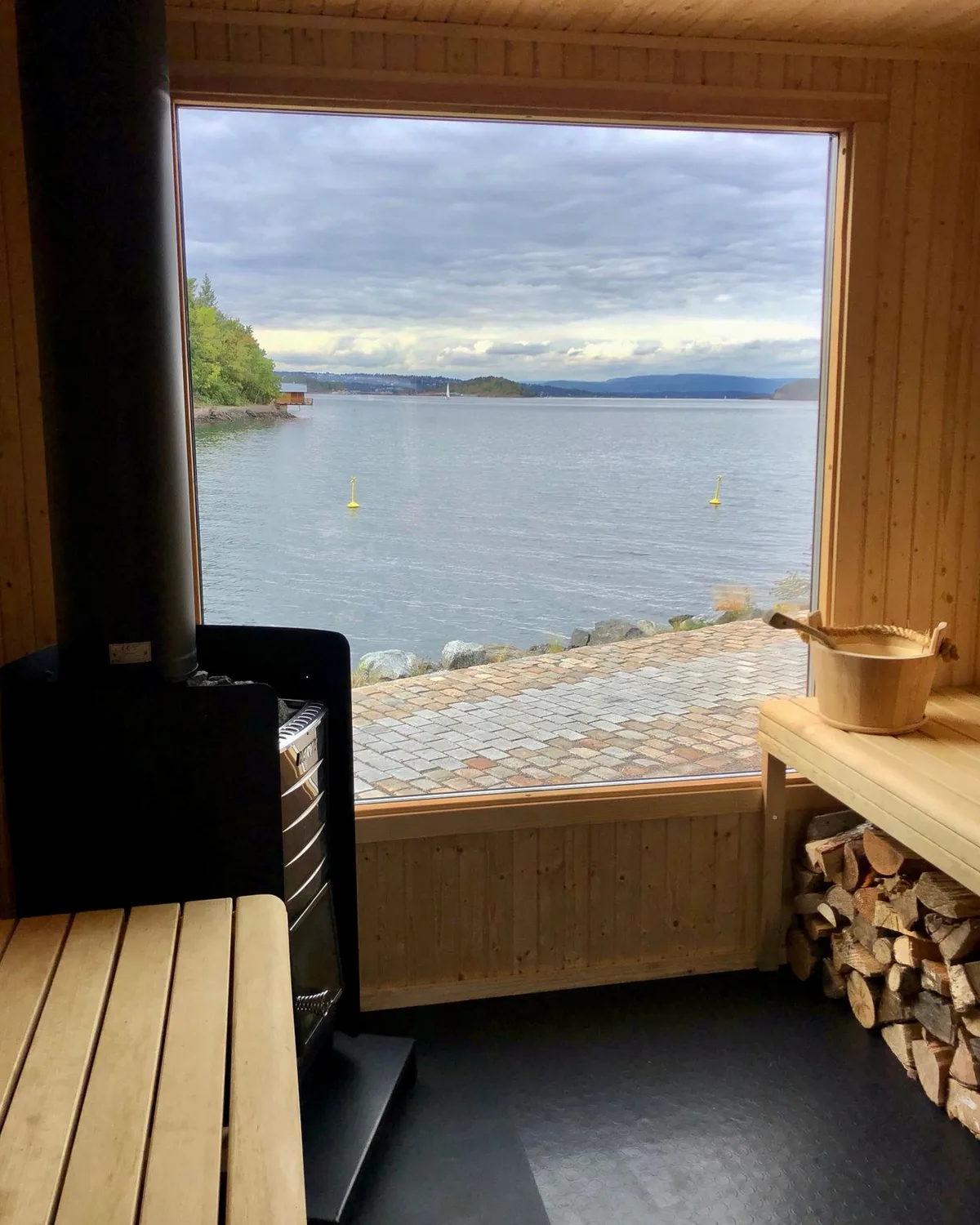
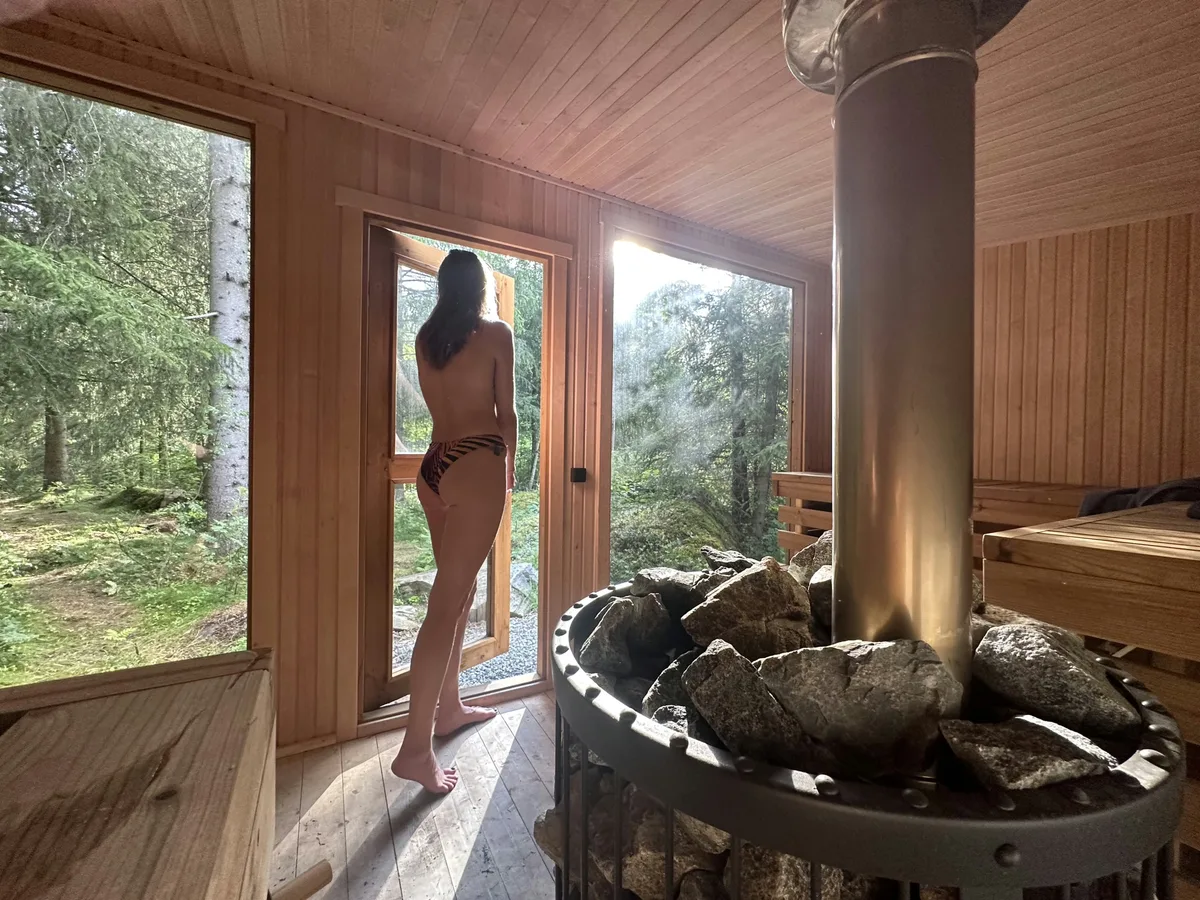
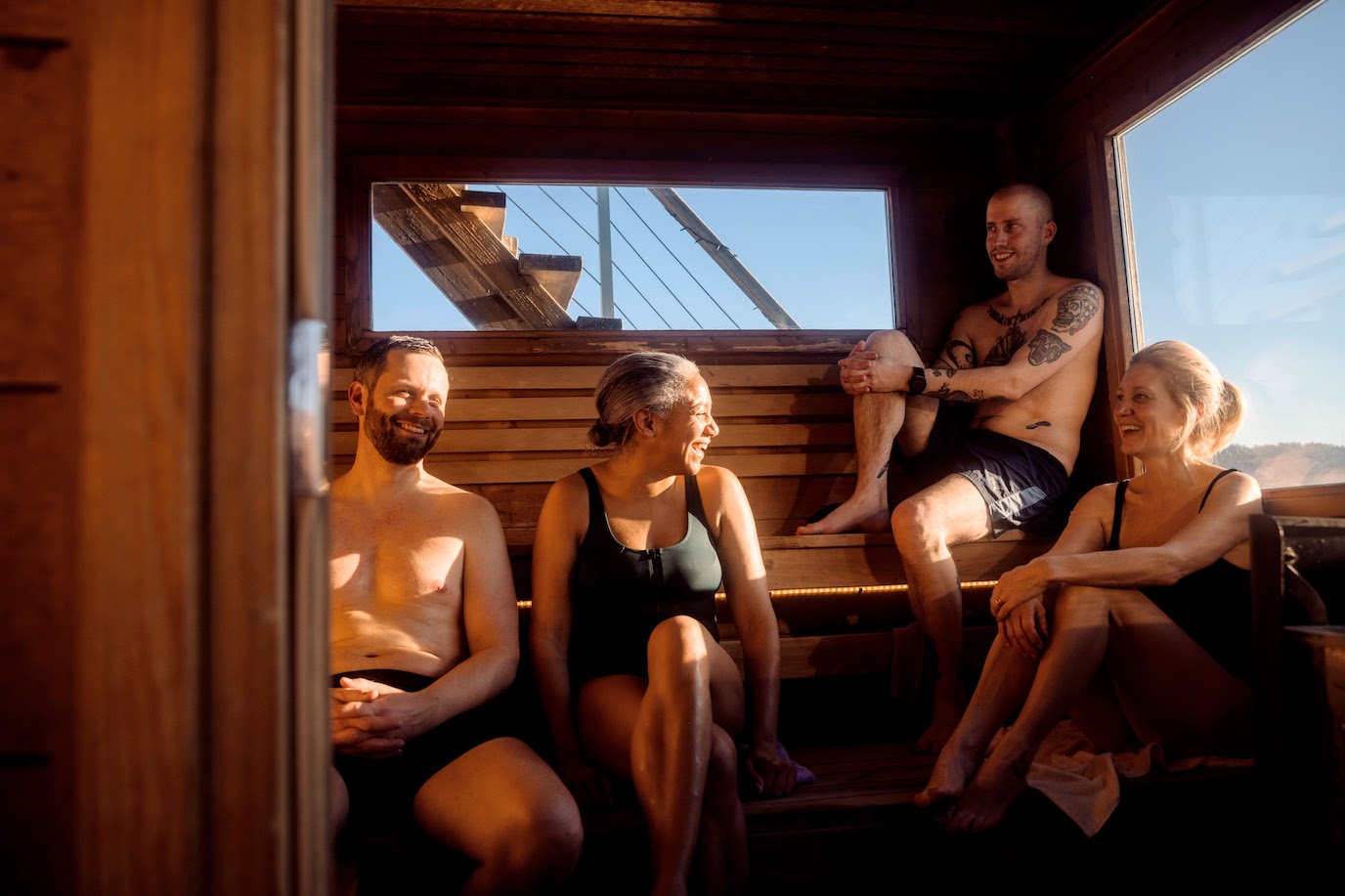
After a day on the Besseggen or descending from Galdhøpiggen, few things are more restorative than a proper sauna. Jotunheimen has a growing number of options that combine mountain setting with genuine bathing culture.
Besseggen Sauna is positioned right by the famous ridge — bathing here, with the Gjende lake visible below, is one of the most dramatically located sauna experiences in Norway. It is the natural choice after completing the Besseggen traverse.
Mad Goats Sauna Sjoa sits in the Sjoa river valley, one of Norway’s premier whitewater kayaking destinations and a traditional gateway to the national park from the east. The combination of a day’s whitewater rafting or hiking followed by a riverside sauna here is a quintessential Jotunheimen experience.
Hindsæter Fjellspa offers a more developed mountain spa experience — well-suited to multi-day stays in the park, with the kind of facilities that make rest and recovery genuinely luxurious after hard days in the hills.
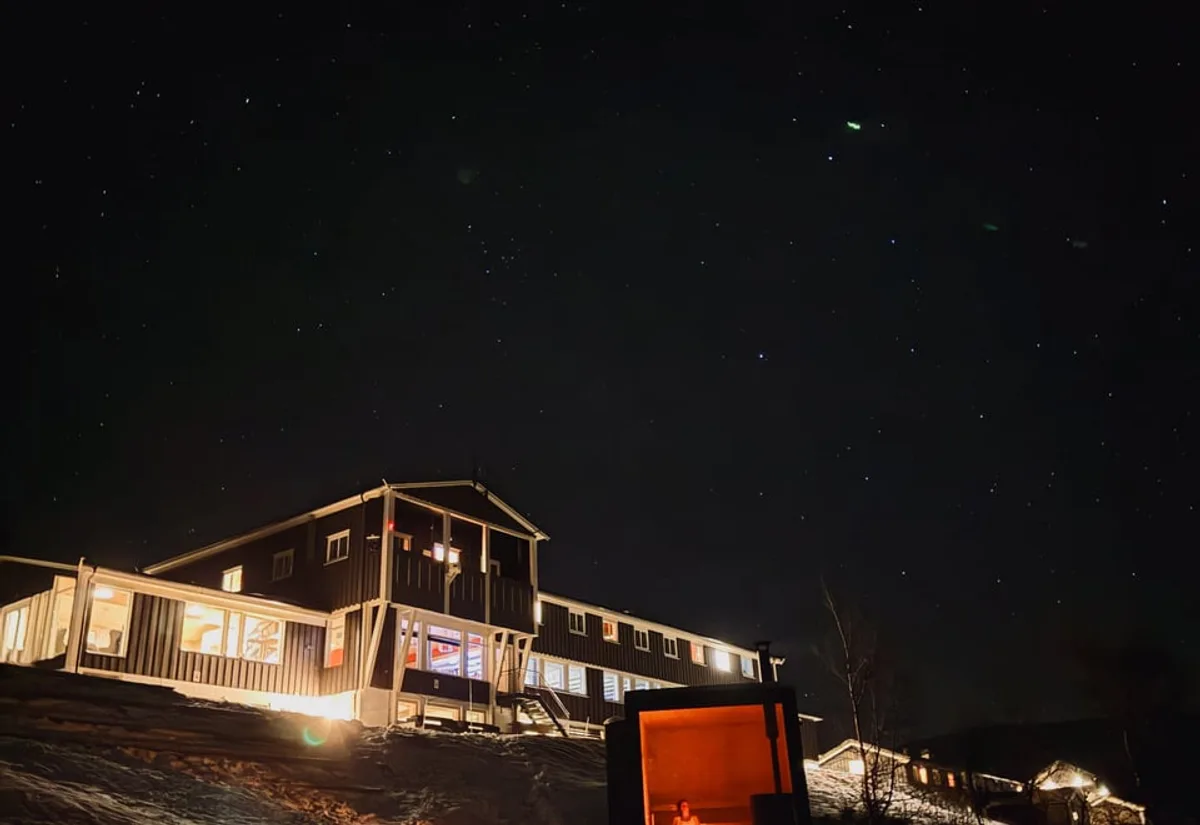
Karlsvogna Fjellbad brings a remote, atmospheric bathing experience deeper into the mountain landscape, while Bygdin Hotel — perched above Lake Bygdin at 1,060 metres — combines accommodation with sauna facilities at one of the highest and most scenically situated hotels in Norway.
Getting There & Bases
Jotunheimen has no major city base — the entry points are small mountain towns. Lom (north), Fagernes (east), and Øyer near Lillehammer (southeast) are the most useful. The nearest airports are Fagernes and Lillehammer Stortorget (small regional airports) or Oslo Gardermoen, from which Lom is around 3.5 hours by car.
The park is best explored over multiple days; a single-day visit from Oslo allows you to do the Besseggen but leaves little time for the wider landscape. Stay two or three nights, base yourself in Lom or near Gjendesheim, and spend one day on the ridge, one on the high roads, and one in a mountain sauna — and Jotunheimen will reveal itself properly.