Things to Do in Haugesund — Viking Heritage, Coastal Walks & Saunas
Your guide to Haugesund: birthplace of unified Norway, gateway between Bergen and Stavanger, and a coastal city with excellent saunas along the Karmsundet strait.
Haugesund is a city that most visitors to Norway pass through rather than stop in — which means it remains genuinely underrated. Situated on the Karmsundet strait halfway between Stavanger and Bergen, it was the place where Harald Fairhair united Norway into a single kingdom in the ninth century. Today it is a lively regional city with a distinctive canal running through the centre, excellent coastal walking, accessible day trips to Viking sites and island communities, and a sauna scene that has grown considerably in recent years. Here is your guide to getting the most out of Haugesund.
Sauna Experiences in Haugesund
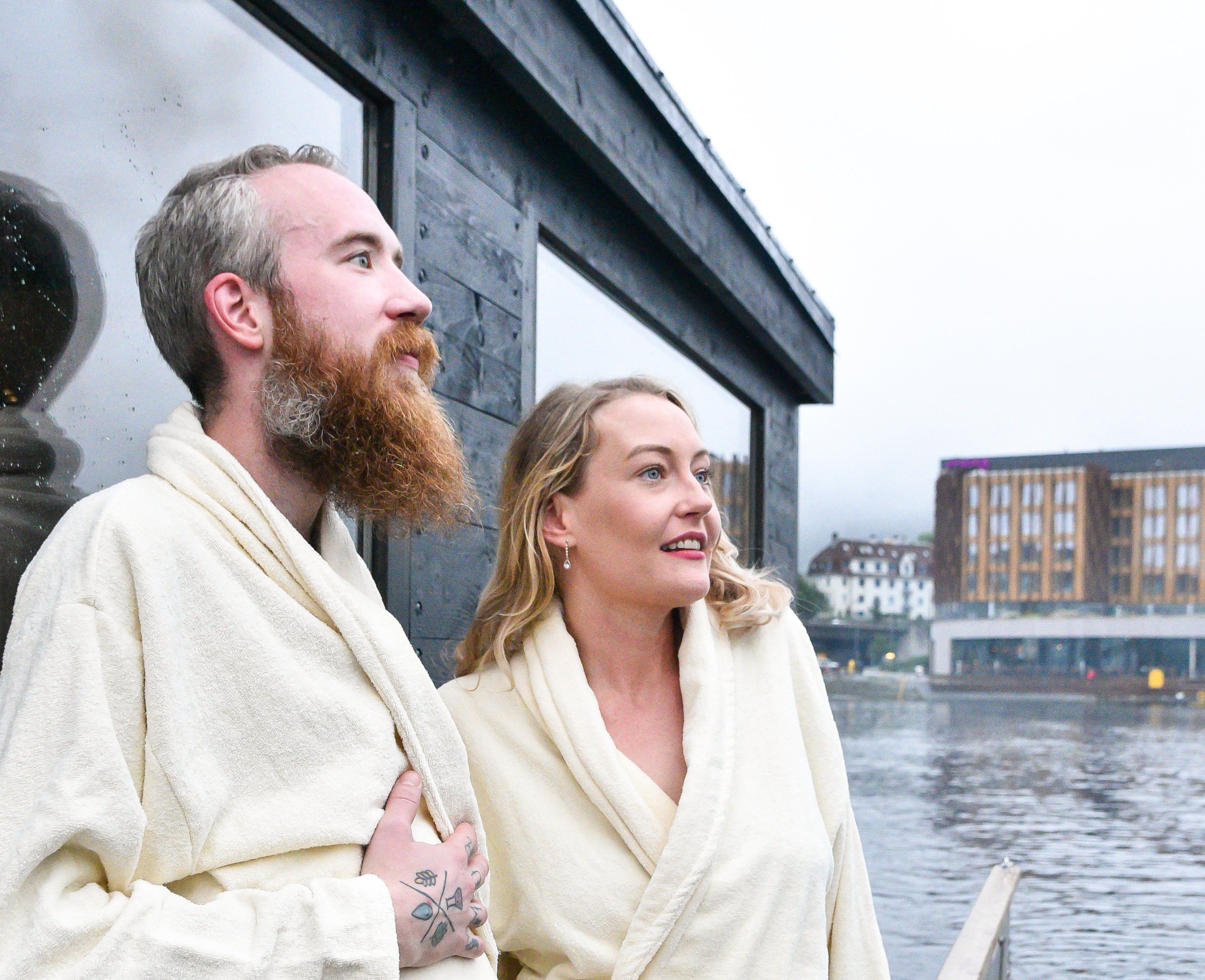
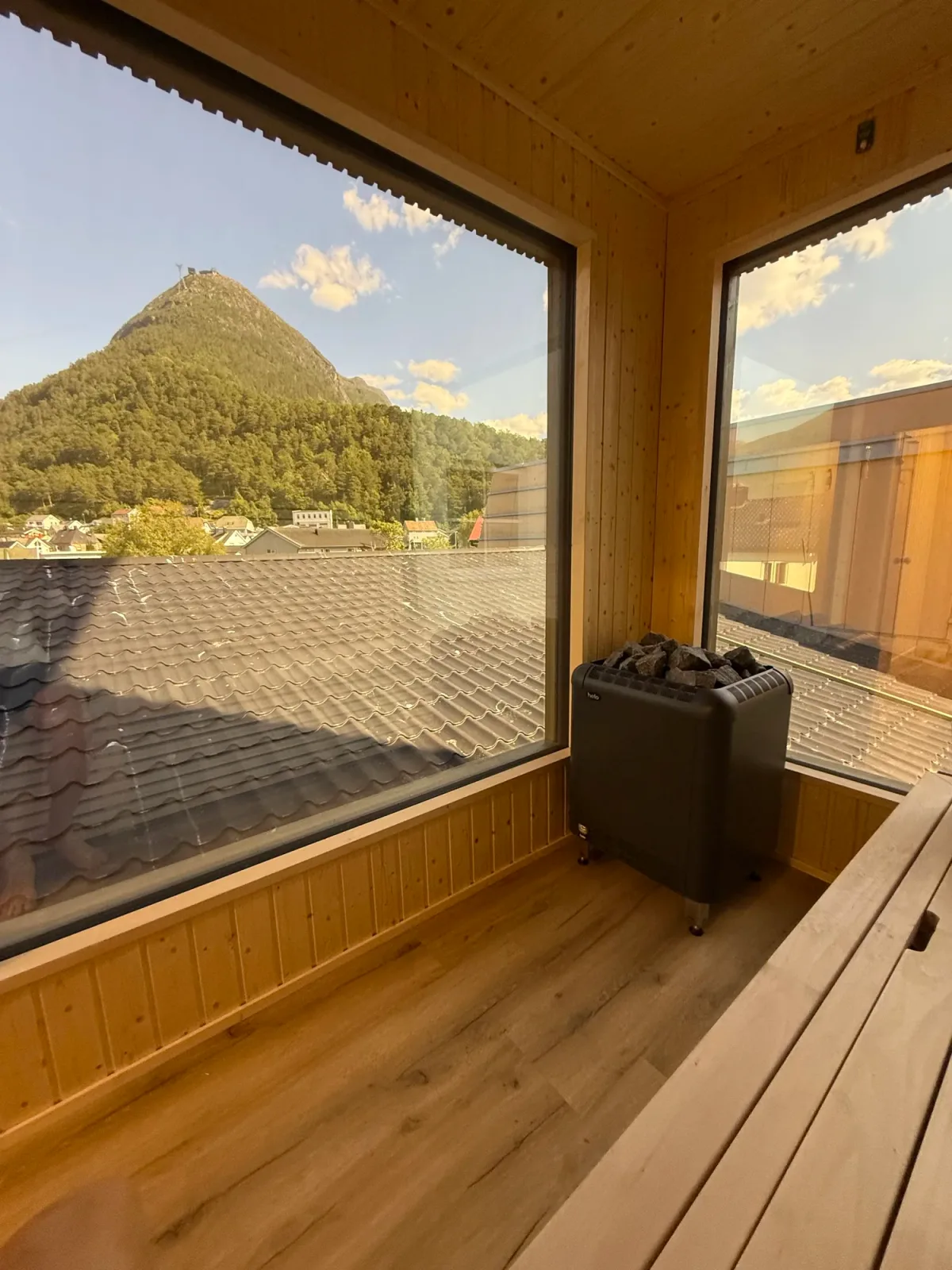
The Karmsundet strait and the surrounding coast give Haugesund’s sauna culture its distinctive character — the sea is always close, the landscape is open and windswept, and the combination of warmth and salt air makes for a particularly satisfying experience.
City Saunas
Allmenningen Bybad Haugesund is a public bathing facility at Allmenningen — the city’s central meeting point on the waterfront. The combination of a sauna with a town square setting makes this one of the most social and accessible sauna experiences in Haugesund, ideal for visitors who want to experience the city’s outdoor culture without committing to a private booking.
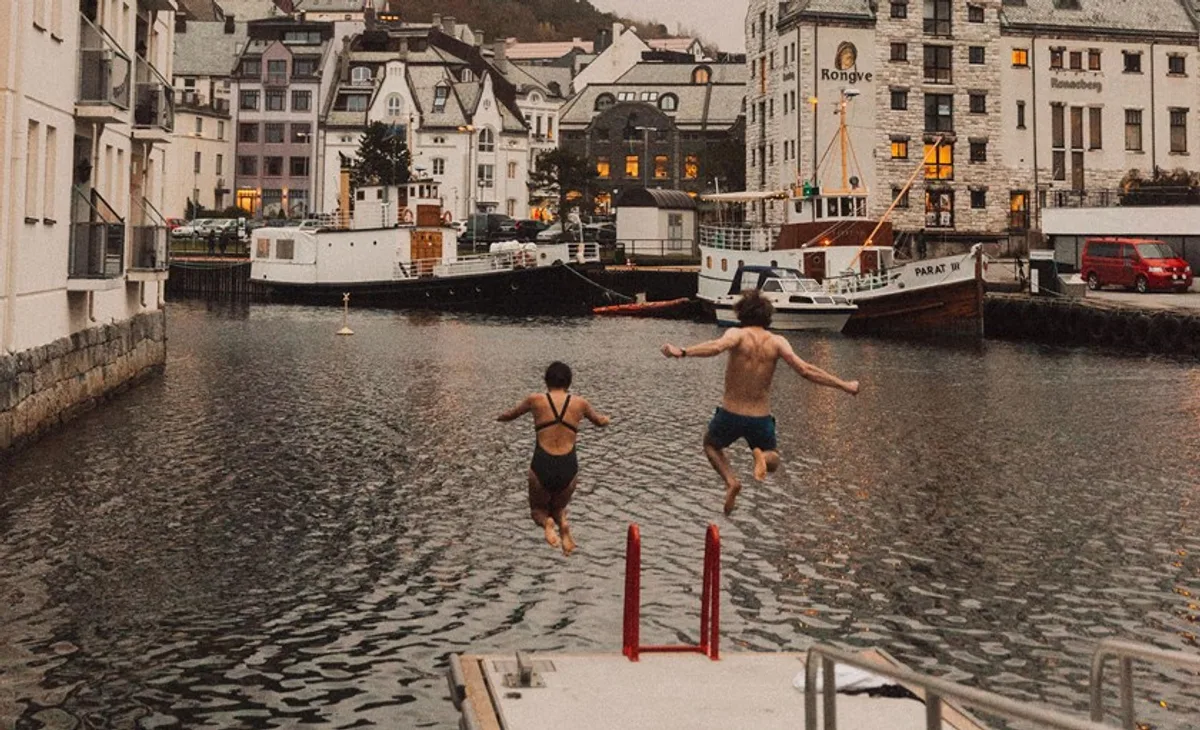
Heit Haugesund Sauna brings a more focused sauna-first approach to the city waterfront. The name “Heit” means hot, and the experience here centres on a proper, unhurried Nordic sauna ritual with direct access to the sea for cooling down.
Maritime Saunas
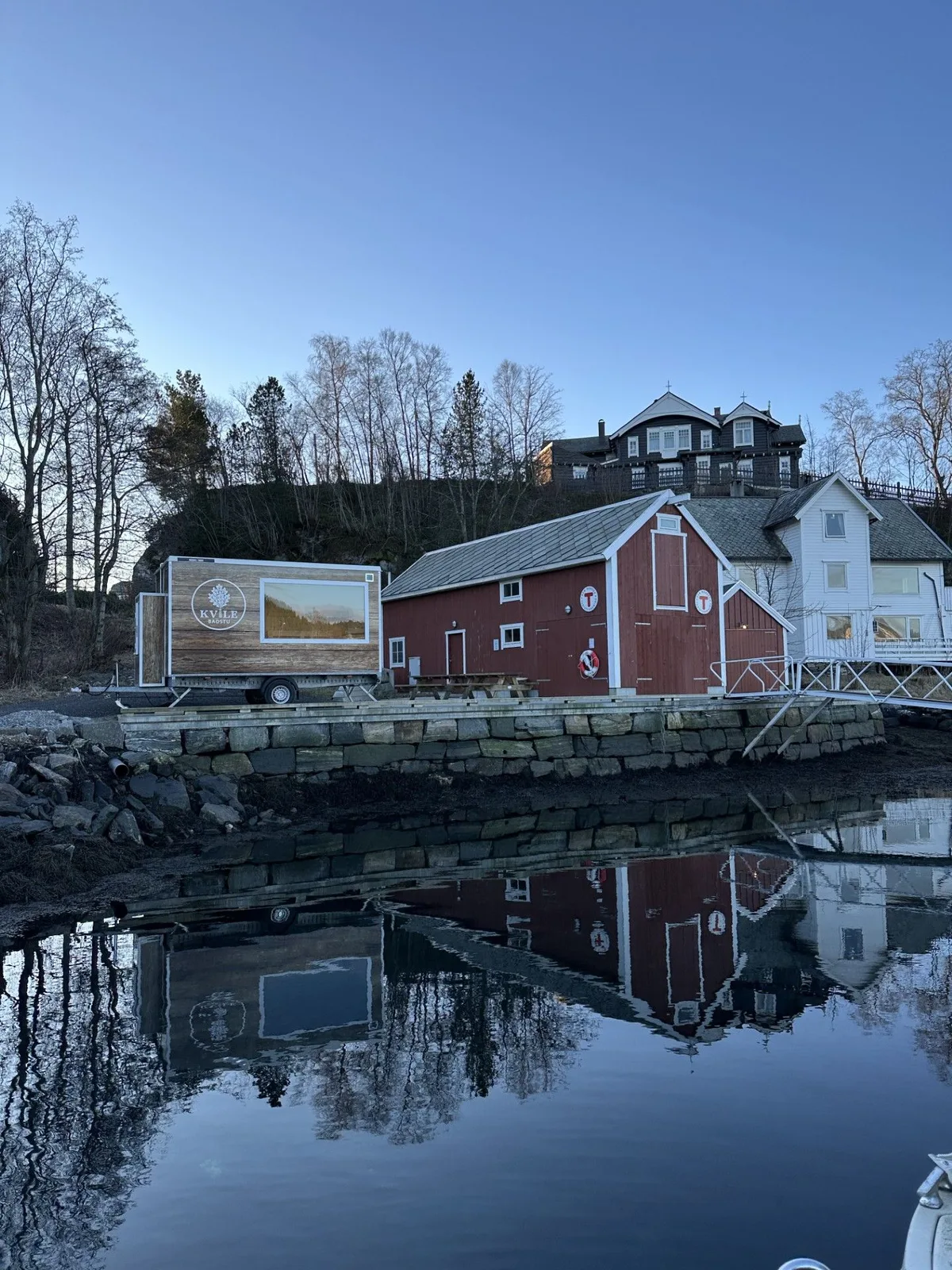
Losen Badstue draws on the maritime heritage of the Karmsundet strait — “losen” refers to the pilots who once guided ships through these waters. The sauna sits in a coastal setting that feels appropriately connected to Haugesund’s identity as a shipping and fishing city.
Maritim Badstuer takes the nautical theme further, with a sauna experience designed around the city’s deep connections to seafaring. The location and setting make it one of the most characterful options in the area.
Hotel Wellness
Radisson Hotel Haugesund provides the most convenient hotel-based sauna option in the city, suitable for guests who want a reliable, well-maintained facility as part of a broader hotel stay.
Nature & Outdoor Activities
Slåtthaug Viewpoint
The Slåtthaug hill above the city centre provides Haugesund’s best panoramic view — a 360-degree sweep across the Karmsundet strait, the Boknafjord, and the islands of the outer coast. On a clear day you can see across to Karmøy and, in the other direction, toward the mountains of Hordaland. The climb from the city centre takes around 20 minutes on marked paths and is an essential introduction to the area’s geography.
Røvær Island
A boat trip from Haugesund harbour brings you to Røvær — a small, car-free island in the outer archipelago with a permanent population of around 50. The island has a genuinely remote feel despite being only an hour from the city, with open heathland, dramatic coastal scenery, and a quiet that is hard to find closer to shore. A small café and guesthouse operate in summer. The ferry schedule is limited so plan your visit carefully.
Karmsundet Strait
The Karmsundet is not just a backdrop — it is one of the most historically significant stretches of water in Norway. Viking-era ships passed through here, and the sheltered channel allowed Haugesund to develop as a trading and fishing centre. Today you can kayak the strait, take boat tours, or simply walk the coastal paths along the western shore of Karmøy island to appreciate the waterway’s scale and character.
Karmøy Island Day Trips
Connected to the mainland by bridge, Karmøy is Haugesund’s accessible island neighbour and deserves at least a half-day. The island is large enough to cycle comfortably and contains some of the area’s most interesting Viking heritage sites, particularly around Avaldsnes in the north.
Food & Culture
Haraldshaugen — Norway’s National Monument
At the northern end of Haugesund, the Haraldshaugen obelisk marks the traditional burial site of Harald Fairhair, the king who united Norway’s warring chieftains into a single realm following the Battle of Hafrsfjord in 872 AD. The monument, erected in 1872 on the 1,000th anniversary of the battle, is surrounded by 29 standing stones representing the original Norwegian provinces. It is not dramatically scenic but carries considerable historical weight — this is, by tradition, the birthplace of Norway as a unified nation.
Avaldsnes Viking Farm
A short drive north across the Karmsund Bridge, Avaldsnes is one of Norway’s most important Viking Age sites. The Nordvegen History Centre tells the story of Harald Fairhair and the Avaldsnes royal estate, which controlled traffic through the Karmsundet for centuries. The reconstructed Viking farm includes longhouses, craft demonstrations, and costumed guides in summer. The adjacent St Olav’s Church, a medieval stone church, shares the same promontory and adds another layer of history to the site.
Smedasundet Canal
The Smedasundet canal running through the city centre is Haugesund’s most distinctive urban feature — a narrow channel lined with brightly painted buildings, outdoor café terraces, and moored boats. The canal is at its most animated on summer evenings, when the pedestrian streets fill with people and the reflection of lights on the water creates an atmosphere that feels more Mediterranean than Norwegian. The annual Norwegian International Film Festival uses the canal area as its hub, bringing an unexpected cinematic energy to the city each August.
Norse Mythology Connection
The area around Haugesund and Karmøy is closely associated with the Norn — the three sisters of fate in Norse mythology — and several local place names reference the old faith. The broader Rogaland region, stretching south to Stavanger, contains numerous rune stones and burial mounds that form part of a broader Viking cultural landscape worth exploring over several days.
Getting There & When to Visit
Getting there: Haugesund Airport Karmøy (HAU) is located on Karmøy island and offers direct flights from Oslo (around 55 minutes) as well as connections to Bergen and several UK airports, making it one of the more accessible regional airports for international visitors. The airport bus connects to the city centre in about 30 minutes.
By car: Haugesund sits on the E134 and E39 highways. Bergen is approximately 2.5 hours north, Stavanger around 2 hours south.
By ferry: Flaggruten operates high-speed ferries to Bergen and Stavanger, making Haugesund a practical stop on a west coast itinerary without needing to drive.
Best time to visit: June through August is peak season, when the outdoor sauna culture, island trips, and Viking site visits are all at their best. The Avaldsnes Viking festival (held in summer) is an excellent reason to time a visit. Winter visits are possible and the city is compact enough to be enjoyable in any weather — the sauna experiences are particularly rewarding in the colder months.
Haugesund rewards the visitor who takes time to look beyond the obvious. The Viking history is remarkable, the island day trips are among the best on the west coast, and the sauna scene — growing steadily along the Karmsundet waterfront — gives the city a contemporary dimension that complements its ancient identity. Explore all saunas in Haugesund on Norwegian Saunas and plan your visit.