Things to Do in Hamar — Lake Mjøsa, Olympic Arenas & Sauna on the Water
Discover Hamar on Lake Mjøsa — 1994 Olympic venues, open-air museums, cycling routes, and floating saunas on Norway's largest lake.
Hamar sits on the eastern shore of Lake Mjøsa, Norway’s largest lake, in the heart of the Innlandet region. It’s a city with an outsized sporting legacy — this is where the world came for speed skating at the 1994 Winter Olympics — and a quietly compelling mix of cultural attractions, open water, and a sauna scene that takes full advantage of the lake setting. About 1.5 hours north of Oslo by train, Hamar makes for an excellent weekend escape or a natural stop on a longer journey through inland Norway.
Sauna Experiences on Lake Mjøsa
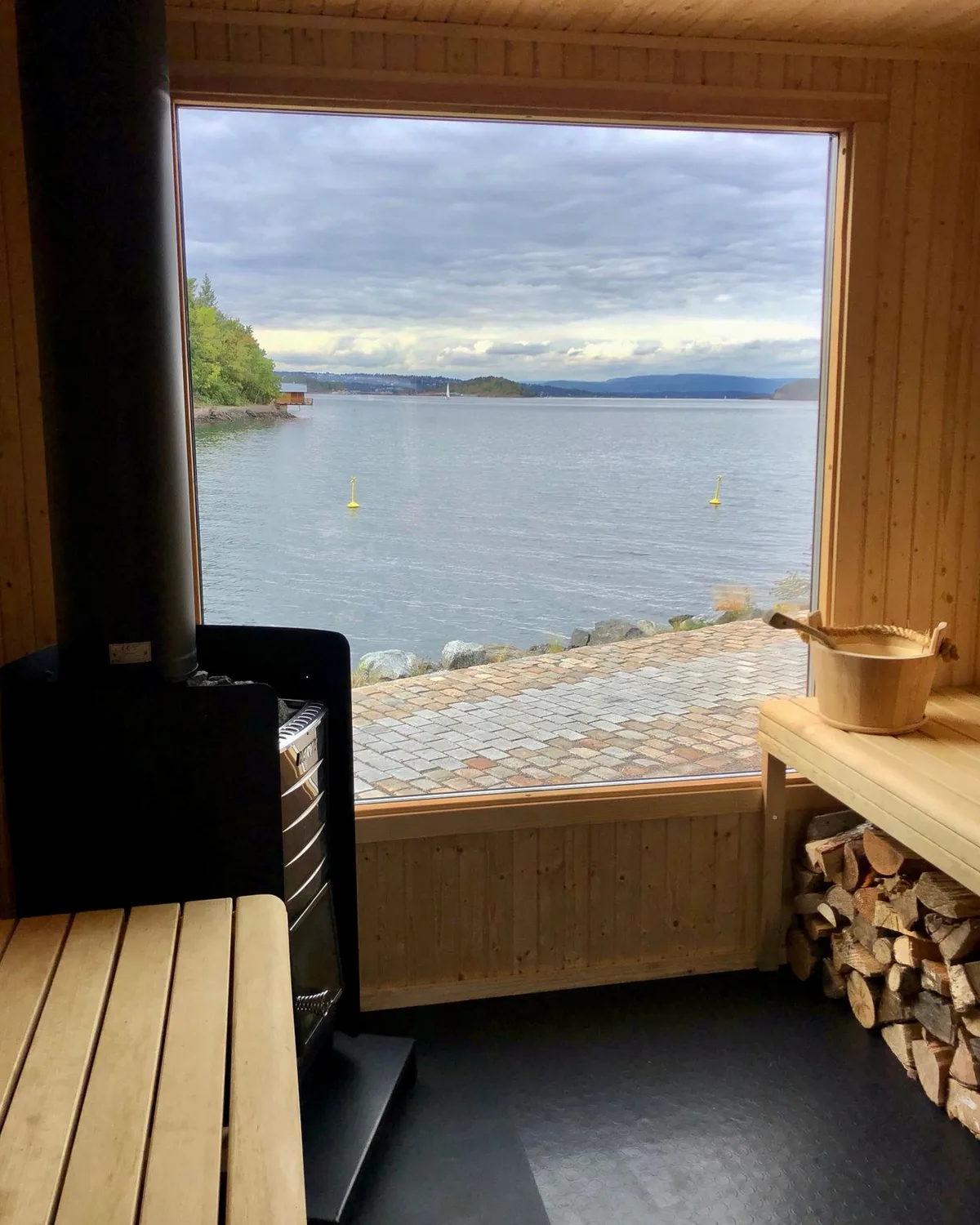
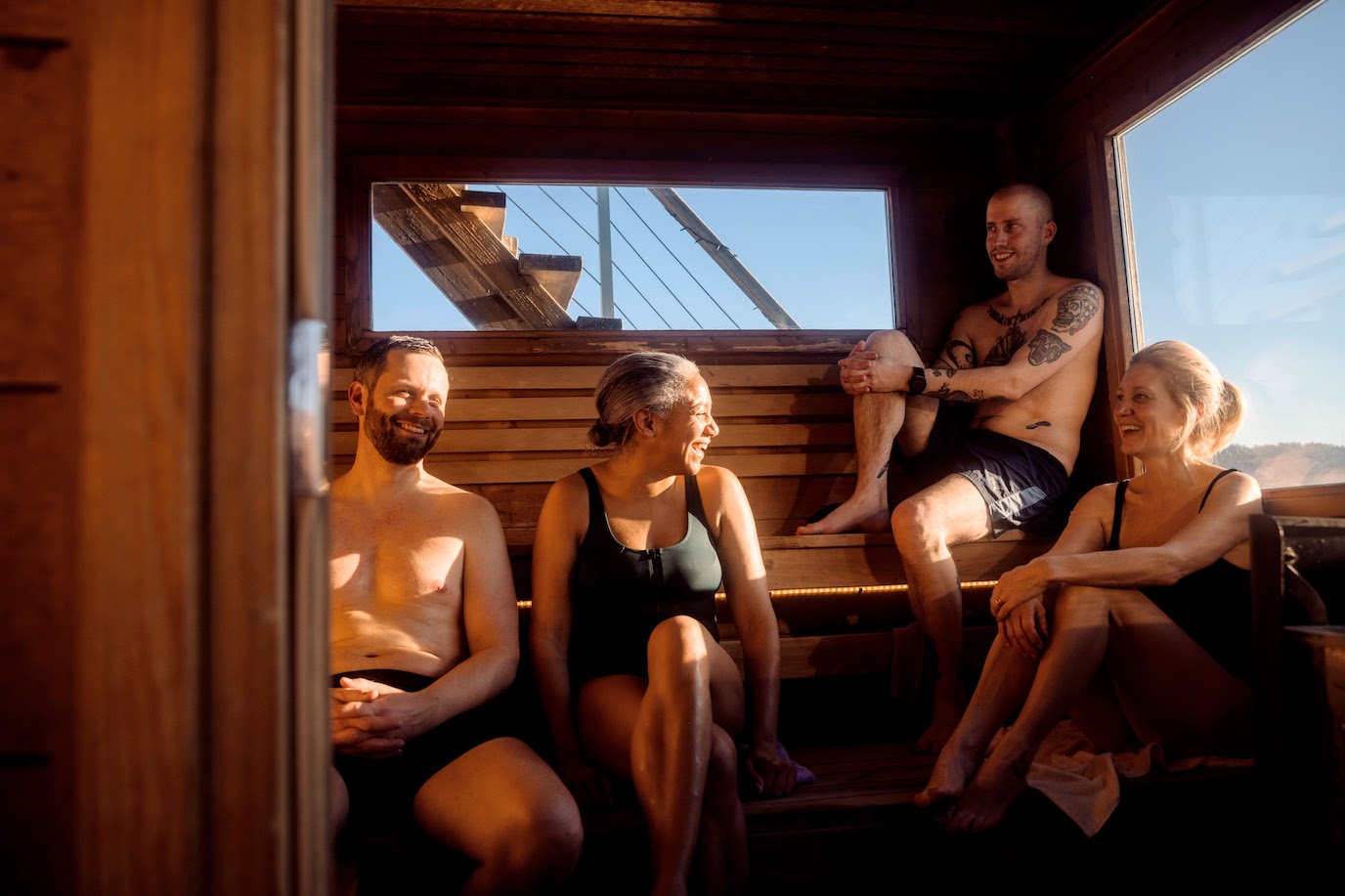
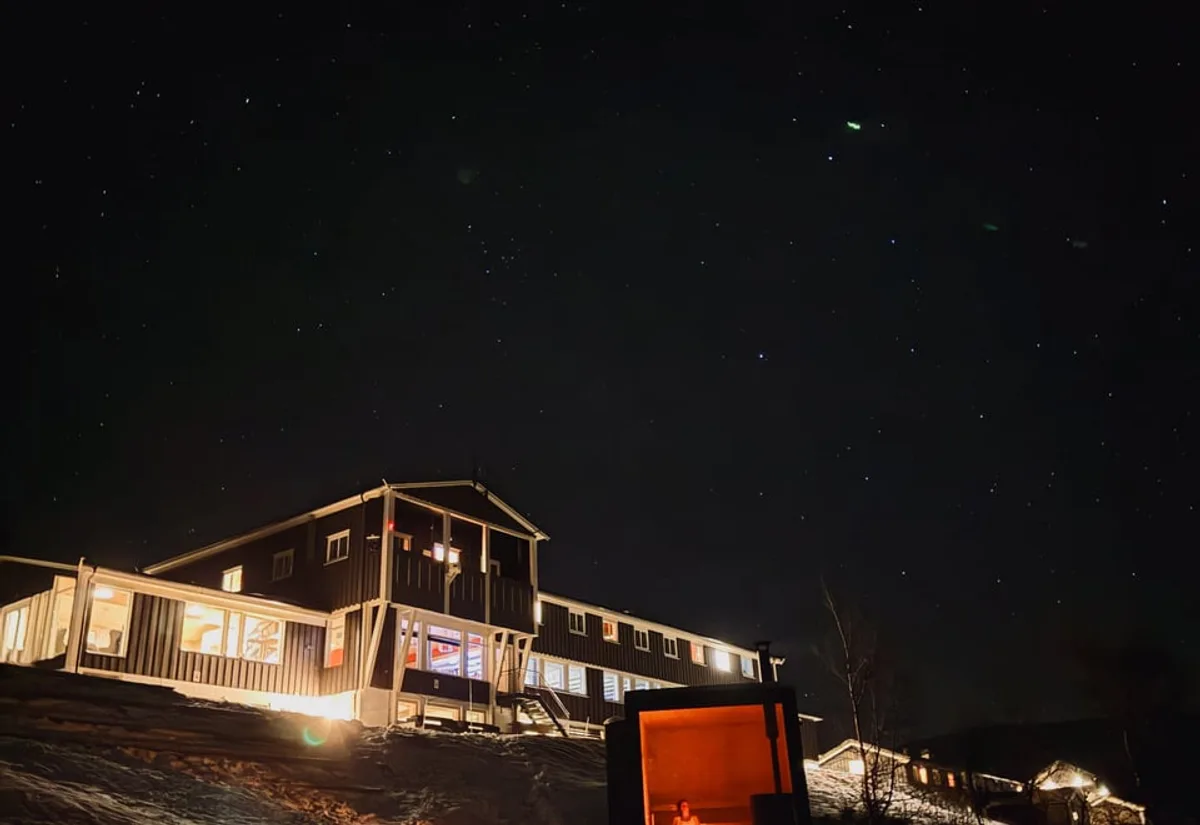
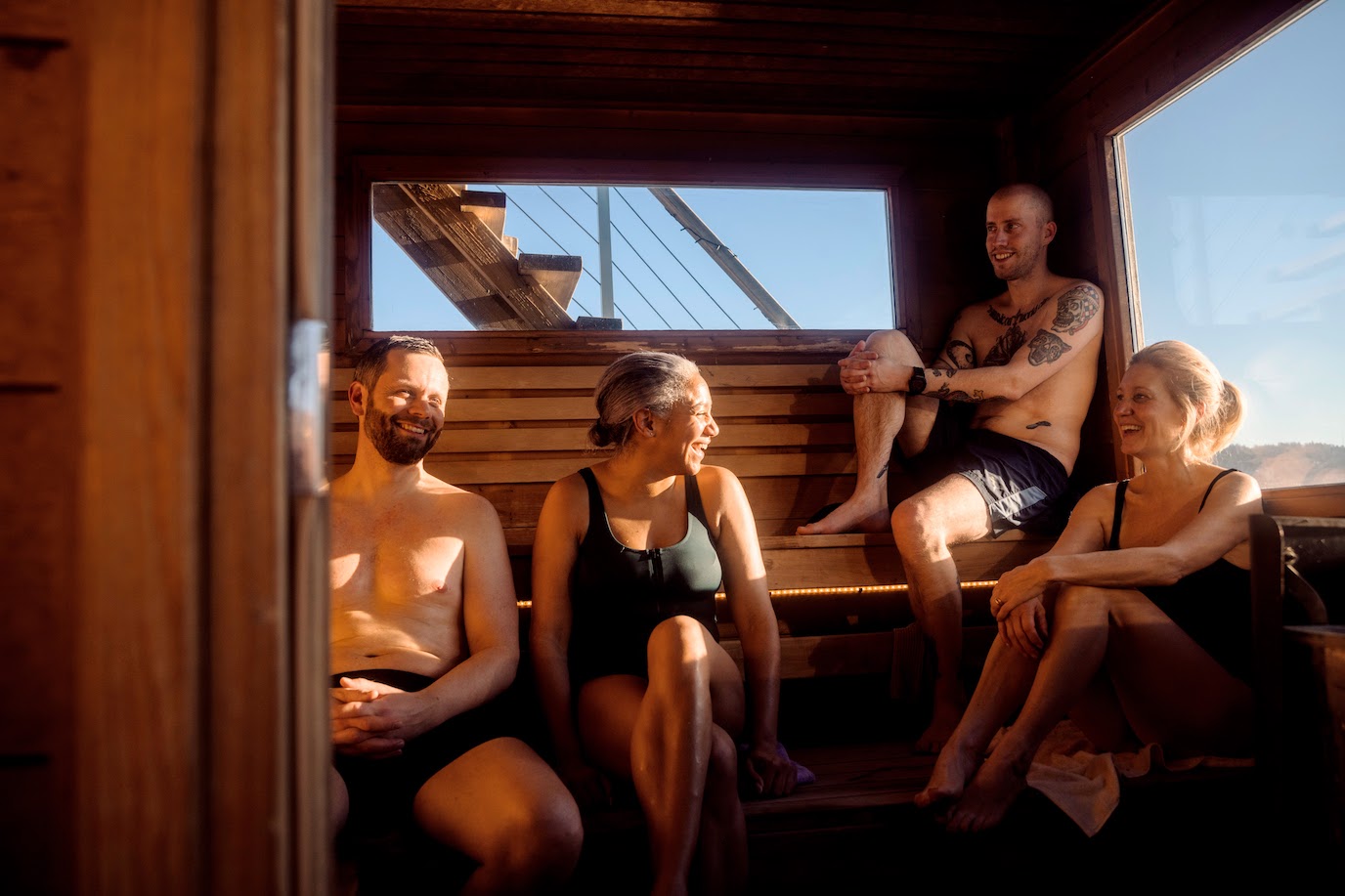
The lake defines Hamar’s sauna scene in the best possible way. Mjøsa is vast and clean, and the saunas here place you right on its edge or directly on the water.
KOK Mjøsa is the headline act: a floating sauna experience on the lake itself. Sitting in a heated cabin with the wide expanse of Mjøsa stretching out around you, then stepping into the cold lake water, is one of the more memorable bathing experiences in inland Norway. The KOK concept — social, bookable, high quality — translates perfectly to this setting.
FLOAT Sauna Hamar offers another lakeside option with its own distinct character, while TORP Hamar brings a more venue-based approach to the bathing experience. For those staying in the city centre or wanting a more comprehensive wellness offering, Ankerskogen Spa is the established choice — part of the Ankerskogen swimming and sports facility, with sauna access alongside indoor pools and fitness facilities.
The Olympic Legacy
Hamar’s connection to the 1994 Lillehammer Winter Olympics is genuine and tangible. Vikingskipet — the Viking Ship — is the city’s most iconic building, a speed skating arena whose curved roof profile does indeed evoke a Viking longship turned upside down. It hosted the speed skating events at Lillehammer 1994 and remains in active use today. Skating sessions are open to the public during winter months, and simply walking around the building to take in the architecture is worthwhile.
The Olympic legacy extends beyond the ice, too. The 1994 Games are widely regarded as one of the most successful Winter Olympics in the modern era, and the Hamar Olympic Museum tells that story in compelling detail, with original artefacts, footage, and athlete accounts.
Culture & Open-Air History
Hedmarksmuseet, also known as Domkirkeodden (Cathedral Point), is one of Norway’s finest open-air museums. The site occupies a peninsula jutting into Mjøsa and combines the striking ruins of Hamar Cathedral — a 12th-century bishop’s seat partly destroyed in the 16th century — with over 60 historic farm buildings relocated from across the Hedmark region. A glass construction surrounds the cathedral ruins, protecting them while allowing visitors to walk among them: an architectural solution that has aged well. The views from the peninsula out over the lake are genuinely beautiful.
The Hamar Railway Museum (Norsk Jernbanemuseum) celebrates Norway’s rail heritage, fitting for a city whose position as a railway junction shaped its 19th-century growth. The outdoor sections include working steam locomotives and a replica station that captures the atmosphere of early rail travel.
Cycling & Nature
The Mjøsrunden route — a 250 km cycling loop around the entire lake — is one of Norway’s iconic long-distance cycling experiences. Most riders take it over several days, but the sections around Hamar offer excellent day cycling on quiet roads with consistent lake views. Bike rental is available in the city.
For birding, the Åkersvika nature reserve on the southern edge of Hamar is a protected wetland of national importance. The shallow delta where the Furnesfjord meets Mjøsa draws hundreds of migratory species in spring and autumn, including waders, geese, and ducks in large numbers. A network of boardwalks and viewing platforms makes it accessible without disturbing the habitat.
In winter, the frozen lake surface itself becomes a destination: ice fishing, ice skating, and guided snowshoe excursions are all popular.
Getting There & When to Visit
Hamar is well connected by InterCity train from Oslo Central Station, with a journey time of around 75 minutes. The city centre is walkable, and the lakeshore is within easy reach on foot or by bike.
Summer is ideal for lake saunas and cycling, with Mjøsa warming to swimmable temperatures in July and August. Autumn brings excellent light and the birding season at Åkersvika peaks. Winter means skating at Vikingskipet, lake ice, and a properly immersive sauna-and-cold-plunge experience with snow on the ground. Spring sees the migratory birds arrive and the cycling season begin in earnest.
Hamar is the kind of place that rewards a slower pace. Take a session at KOK Mjøsa as the sun drops over the lake, then find somewhere in the city for a plate of local Innlandet produce. It’s a combination that’s hard to improve on.