Things to Do in Bergen — Gateway to the Fjords & Sauna Experiences
Plan your Bergen visit: floating saunas, the Bryggen wharf, Sognefjord day trips, Fløibanen funicular, and the best of Norway's rainiest, most charming city.
Bergen earns its reputation as one of Norway’s most atmospheric cities before you’ve even left the train station. Ringed by seven mountains, its historic Bryggen wharf is a UNESCO World Heritage Site, its fish market has been running for centuries, and it rains more reliably here than almost anywhere in Europe — which is precisely why Bergensians have perfected the art of finding warmth and comfort in beautifully designed indoor spaces. Bergen is also Norway’s undisputed gateway to the Western Fjords, and as a base for exploring the Sognefjord, Hardangerfjord, and beyond, it’s unmatched.
Sauna Culture in Bergen
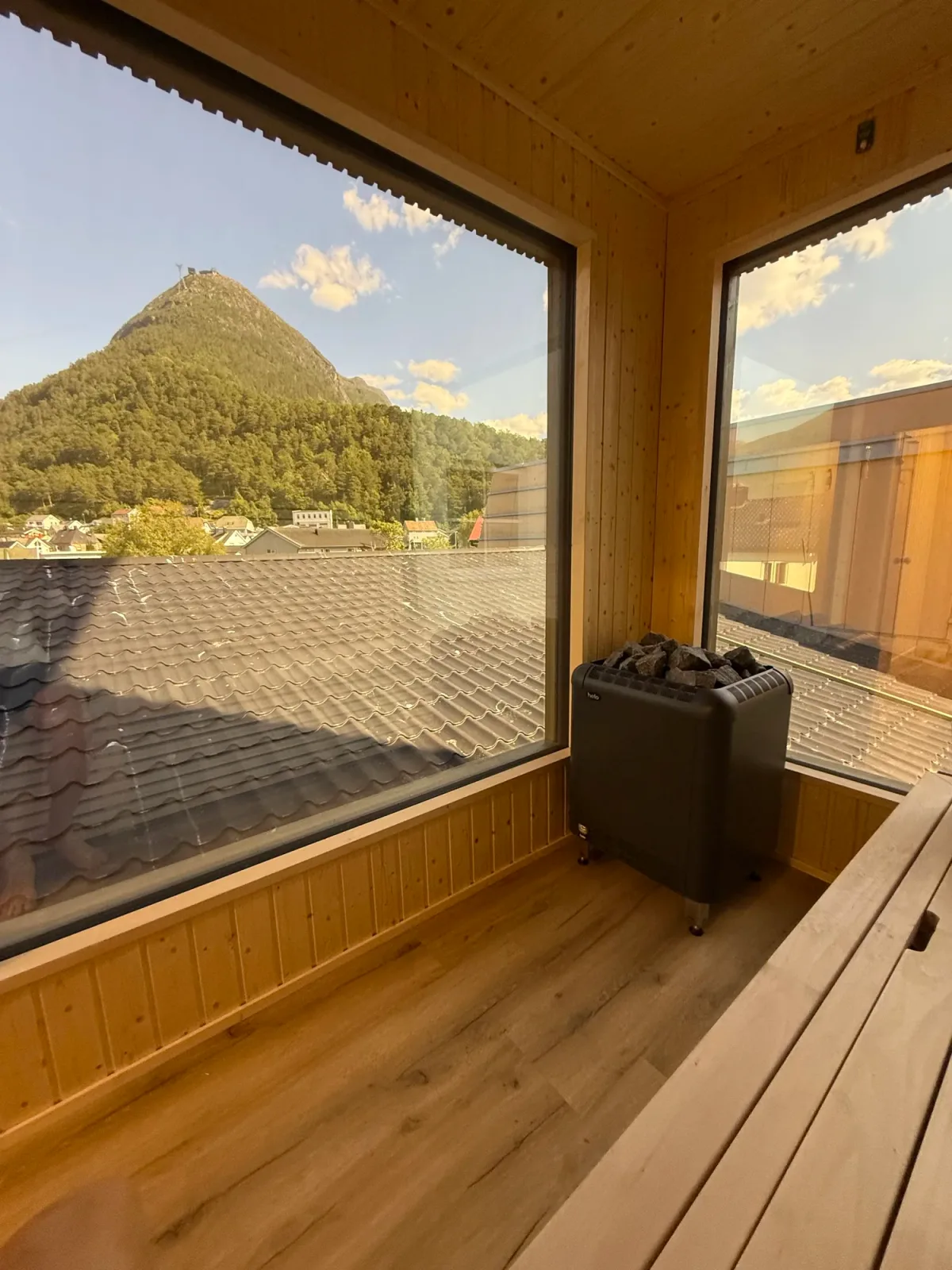
Bergen’s sauna scene draws on the city’s coastal identity and its residents’ pragmatic enthusiasm for outdoor life in all weather. Whether you’re seeking a social floating sauna experience or a high-end spa after a long day of fjord exploration, the city has something genuine to offer.
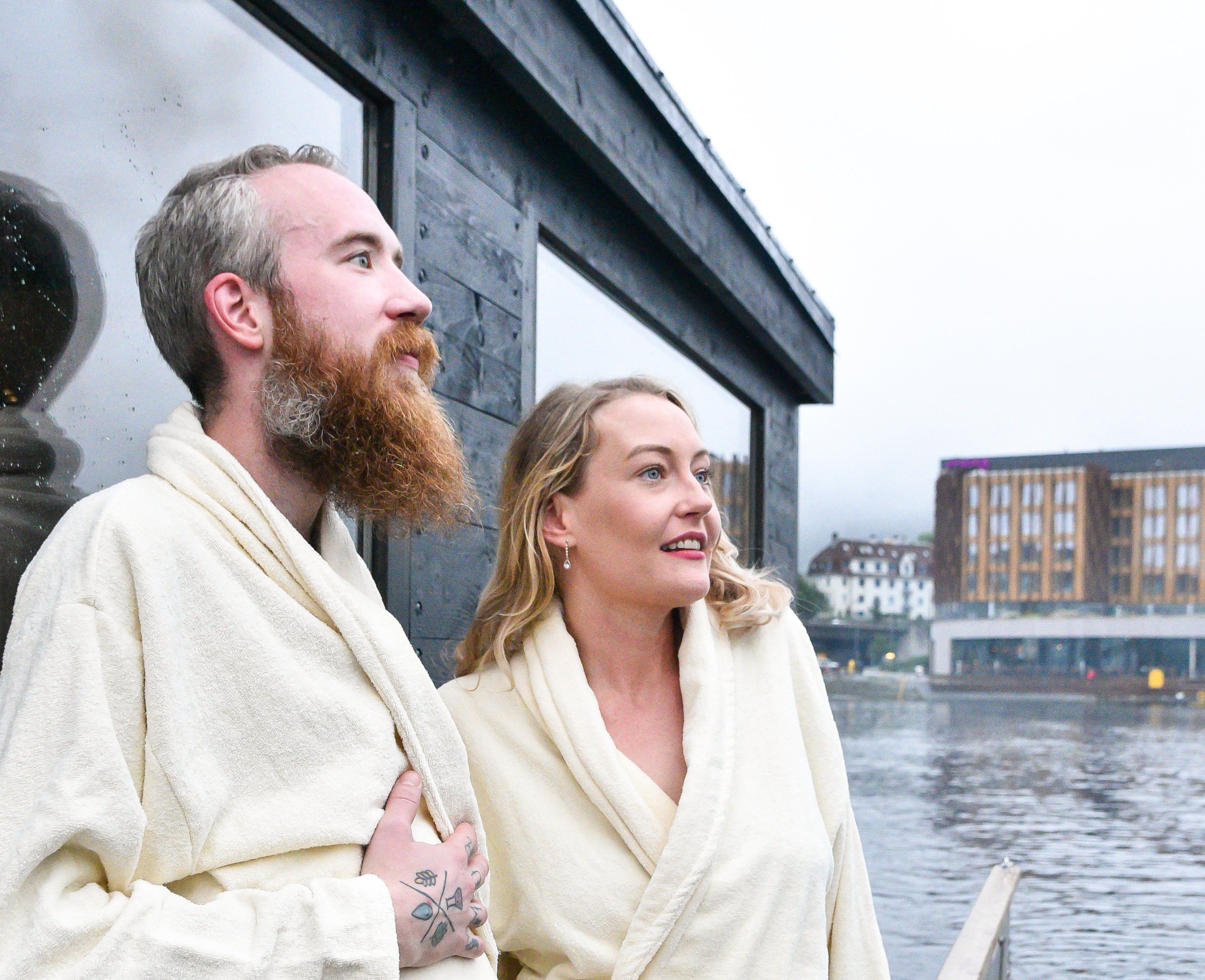
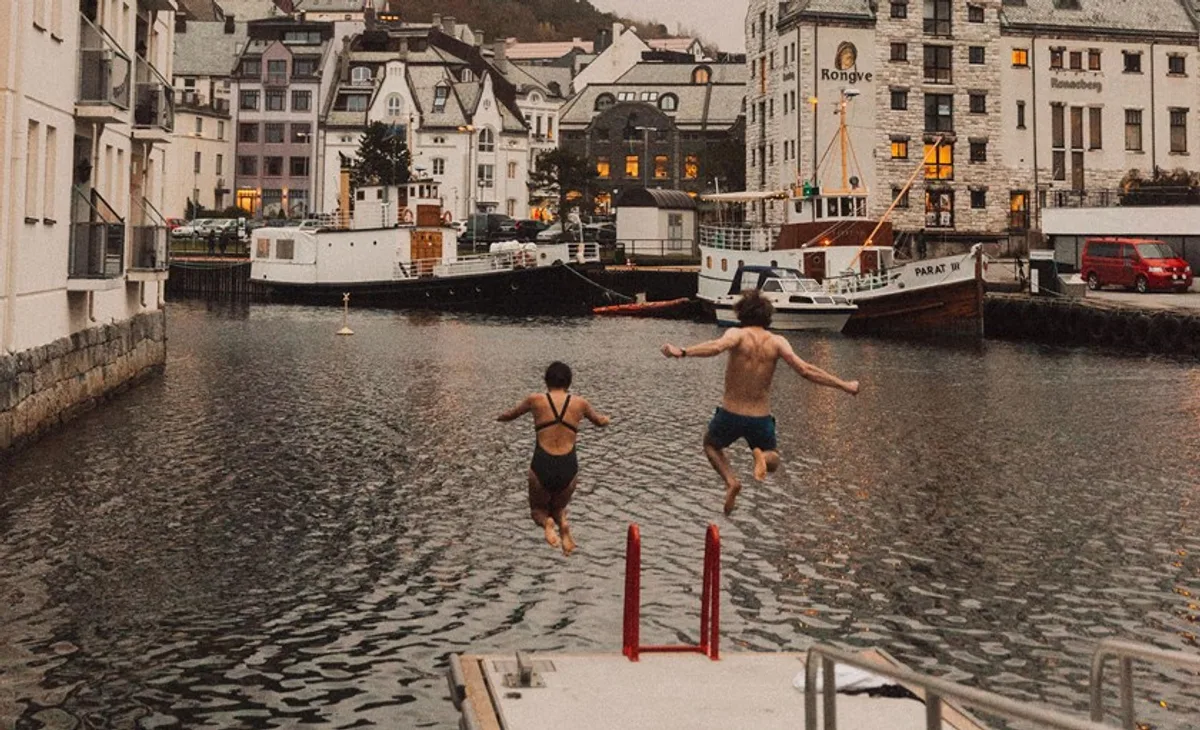
Bergen Flyt is Bergen’s floating sauna, moored in the harbour and offering one of the most scenic bathing experiences in Western Norway. Drifting out of a hot sauna cabin to swim in the harbour with the colourful rows of Bryggen behind you is an image that defines what makes Bergen special. It’s a small-group, bookable experience — reserve well ahead, especially in summer.
For a training-and-bathing combination in a central location, BKB Sauna (connected to Bergen Klatreklubb) is popular with active locals and offers reliable, no-fuss sauna access. Arna Sauna sits in the Arna district to the east of the city centre, a quieter neighbourhood setting that appeals to those looking for something a little away from the tourist flow.
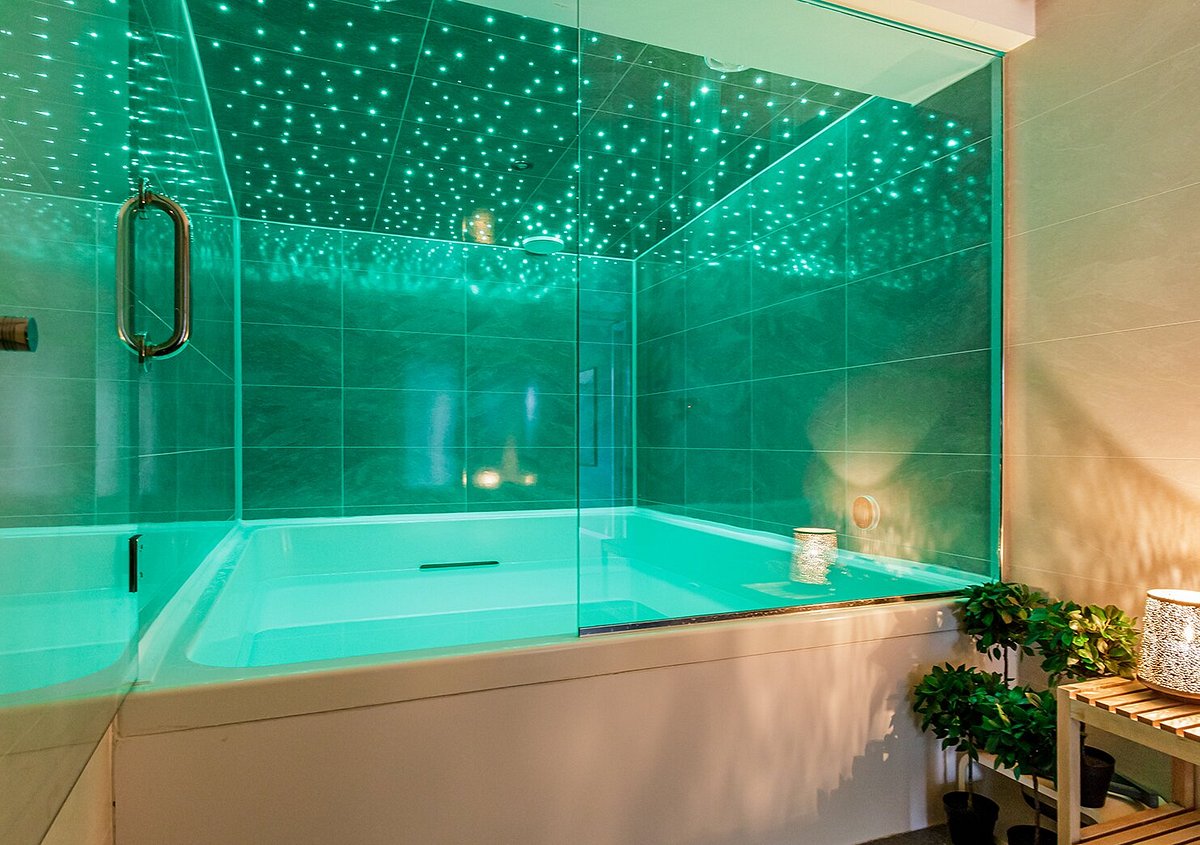
In the city centre itself, City Sauna Bergen provides a well-appointed facility easy to work into a sightseeing day. For a more luxurious stay, Artesia Spa at Hotel Norge is one of Bergen’s most established spa experiences — think heated pools, steam rooms, and a carefully considered relaxation space in a historic five-star hotel. And for something pleasantly surprising, Bergen Hammam brings the North African bathhouse tradition to the Norwegian west coast, offering a warm and genuinely restorative contrast to the city’s cool maritime air. Finally, AdO Arena — Bergen’s major aquatics and sports complex — includes sauna facilities within a world-class building worth visiting in its own right.
Outdoor Activities & Nature
Bergen is surrounded by dramatic terrain, and you don’t need to travel far to reach it. The seven mountains encircling the city offer hiking at every level, from a gentle stroll up Fløyen (easily complemented by the Fløibanen funicular for the ascent) to the more demanding climb up Ulriken, Bergen’s highest city mountain at 643 metres. The views from both are extraordinary on clear days — layers of fjords, islands, and open sea spreading to the horizon.
The Fløibanen funicular itself deserves special mention: running since 1918, it whisks you from the city centre to the top of Mount Fløyen in eight minutes, and the network of trails that spread out from the summit station offer hours of easy walking through forest and open hillside. It’s one of the best free (or low-cost) urban hiking experiences in Norway.
Bergen’s coastal and island geography rewards exploration by boat. Numerous ferry connections from the Strandkaiterminalen serve the surrounding islands and coastal communities, and a kayaking trip among the skerries west of the city is a peaceful way to experience the landscape at water level.
For the big day trips, Bergen is the natural starting point for the Norway in a Nutshell route to Flåm and the Nærøyfjord — a combination of train, fjord ferry, and mountain railway that is justifiably one of Norway’s most popular travel experiences. The Sognefjord, Norway’s longest and deepest, is also reachable within a day, and the Hardangerfjord to the south offers slightly shorter travel times alongside some of the country’s most celebrated orchard landscapes.
Local Food & Culture
Bergen’s fish market (Fisketorget) on the Vågen harbour is one of the most visited attractions in Norway — and for good reason. The outdoor stalls sell fresh and cured fish, shellfish, and smoked salmon alongside whale and reindeer to take away or eat on site. It’s open year-round, though summer sees the fullest selection.
The Bryggen wharf is more than a photogenic backdrop: the narrow passages between its medieval wooden buildings are lined with craft shops, galleries, and small restaurants, and the Bryggens Museum beneath the wharf tells the story of Bergen’s Hanseatic trading past with excellent displays. The nearby Theta Museum, tucked almost invisibly into a Bryggen building, is a poignant tribute to the wartime resistance movement.
For contemporary art and design, Bergen’s KODE museums form one of Scandinavia’s largest art museum complexes, spread across four buildings around Lille Lungegårdsvannet lake. The collections span Norwegian and international painting, craft, and design, with a dedicated Edvard Munch gallery and a fine Grieg collection.
Eating and drinking in Bergen rewards those who explore beyond the waterfront. The Nygårdshøyden neighbourhood around the university is full of independent cafés, and the Marken street area offers a more local, everyday Bergen experience than the tourist-heavy Bryggen zone.
Getting There & When to Visit
Bergen is served by Bergen Airport Flesland, around 20 minutes from the city centre by the Bybanen light rail — an inexpensive and direct connection that is hard to beat. The famous Bergen Railway from Oslo (around six to seven hours) is considered one of the world’s great train journeys and a worthwhile experience in itself.
Summer (June–August) is Bergen’s peak season — long evenings, busy harbour, and the easiest conditions for fjord day trips. Come prepared for rain regardless of season; Bergen’s wet weather is part of its character, and the city handles it with colourful umbrellas and cosy interiors. Spring brings cherry blossoms to the hillside gardens, and autumn turns the mountain slopes in burnt copper and gold. Winter is quiet, atmospheric, and the best time to find genuine local life rather than tourist crowds.
Bergen rewards slow travel. Give it at least two or three days — one for the city itself, one for a fjord excursion, and one for simply sitting in a floating sauna watching the rain fall on the harbour.