Things to Do in Åndalsnes — The Rampestreken Climb, Romsdalen & Sauna Retreats
Explore Åndalsnes — Norway's climbing capital with Trollveggen, Romsdalseggen, Trollstigen, the Rauma Railway, and intimate sauna retreats in wild mountain scenery.
Åndalsnes sits where the Romsdalen valley meets the Romsdalsfjord, ringed by some of the most dramatic mountain walls in Europe. This small town of around 2,500 people is Norway’s self-declared climbing capital — home to Trollveggen, the continent’s tallest vertical rock face, and a surrounding landscape that has drawn mountaineers, hikers, and outdoor adventurers from around the world for over a century. The sauna scene here is intimate and well-chosen, offering the kind of restorative experience that a full day in the mountains genuinely demands. If you’ve earned your rest through exertion, few places reward it as well as Åndalsnes.
Sauna Experiences in Åndalsnes
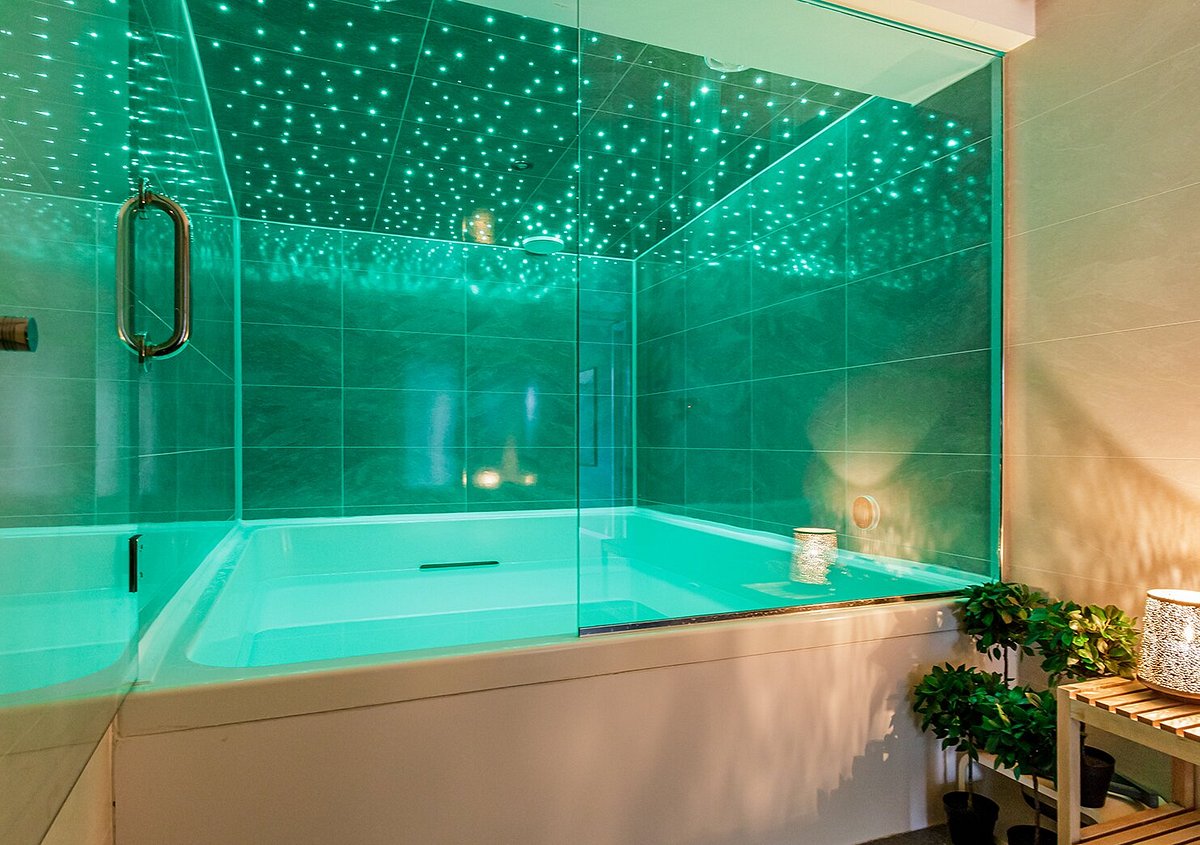
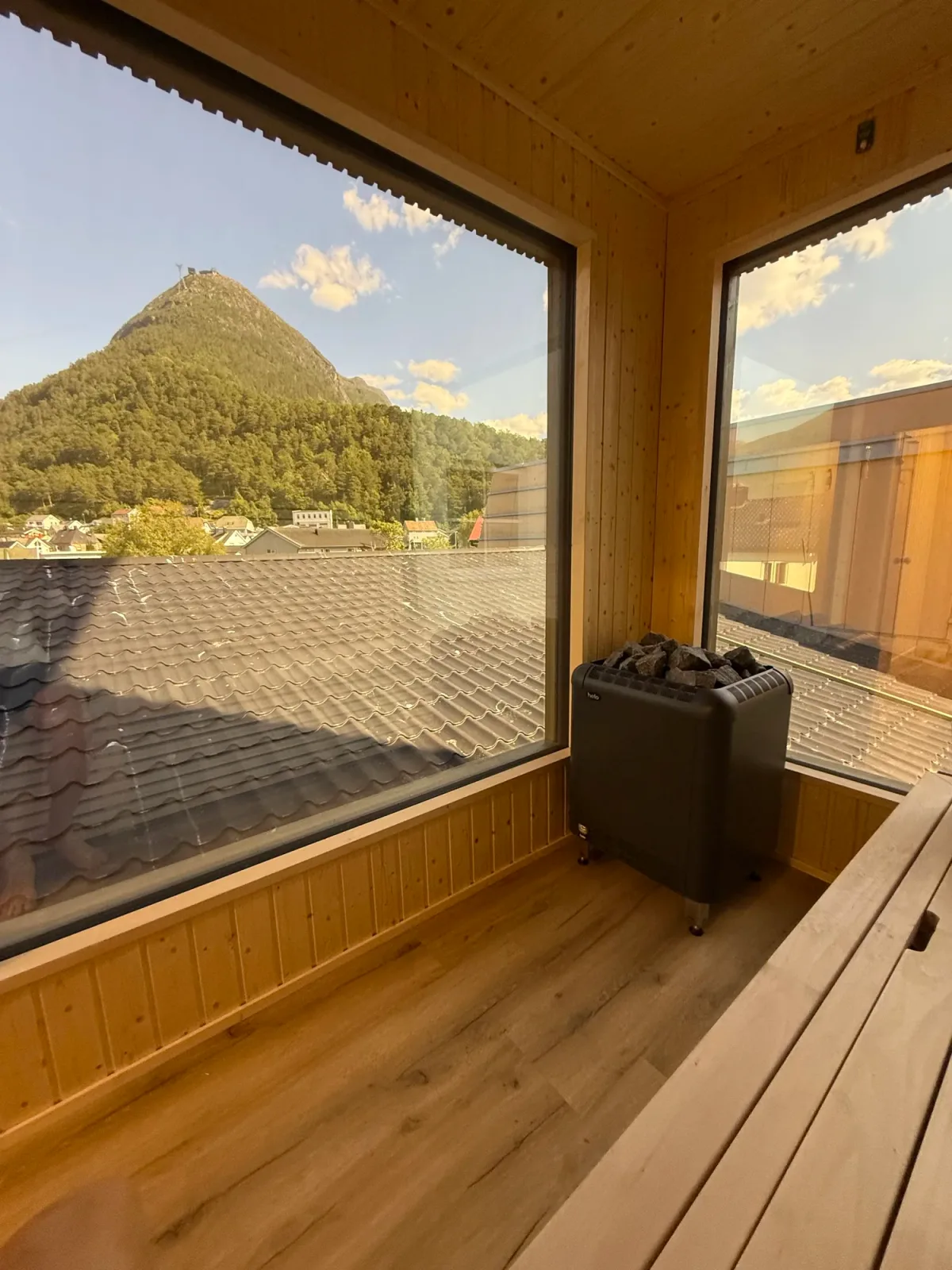
The saunas here match the setting: small, carefully situated, and built for people who have been outdoors all day.
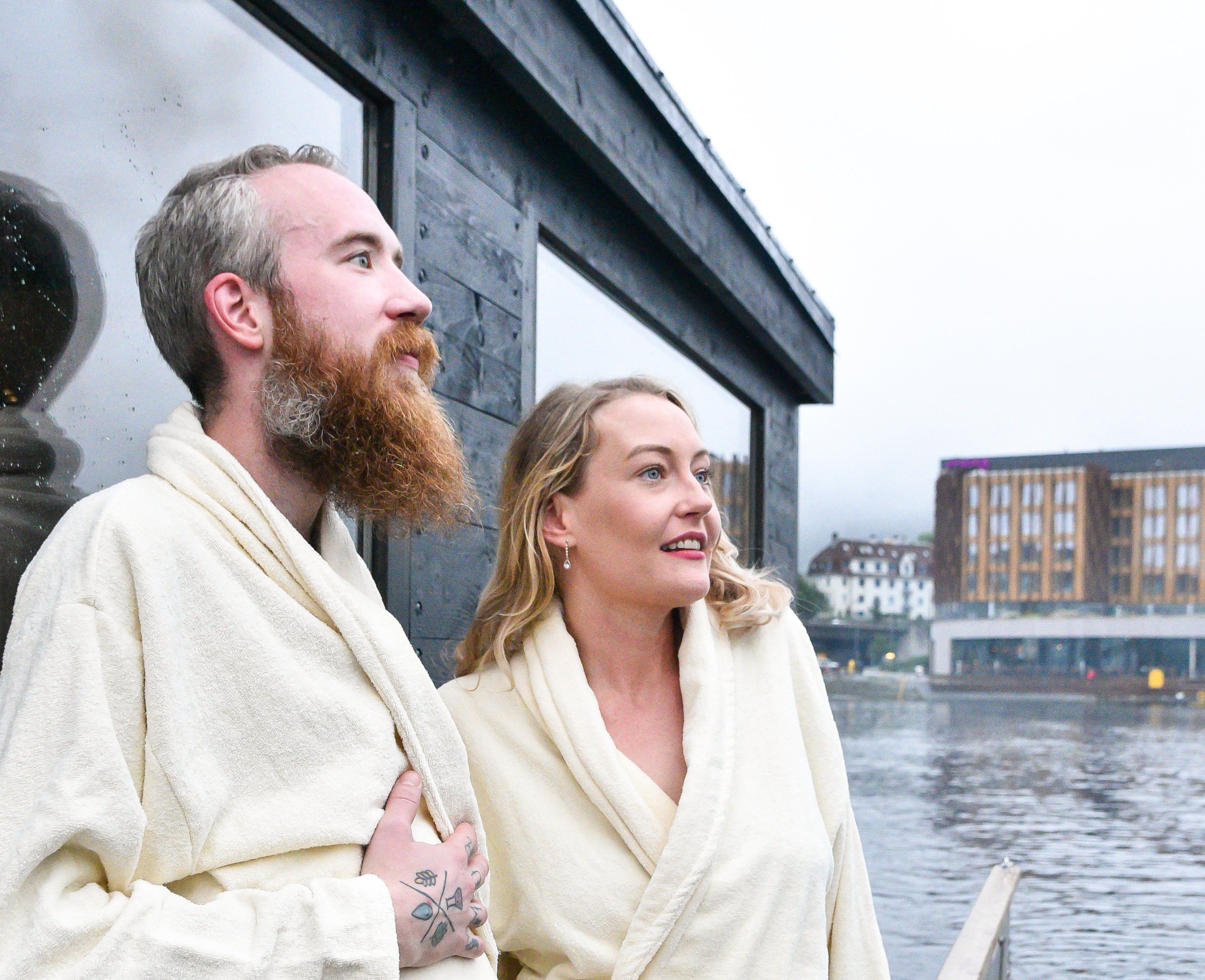
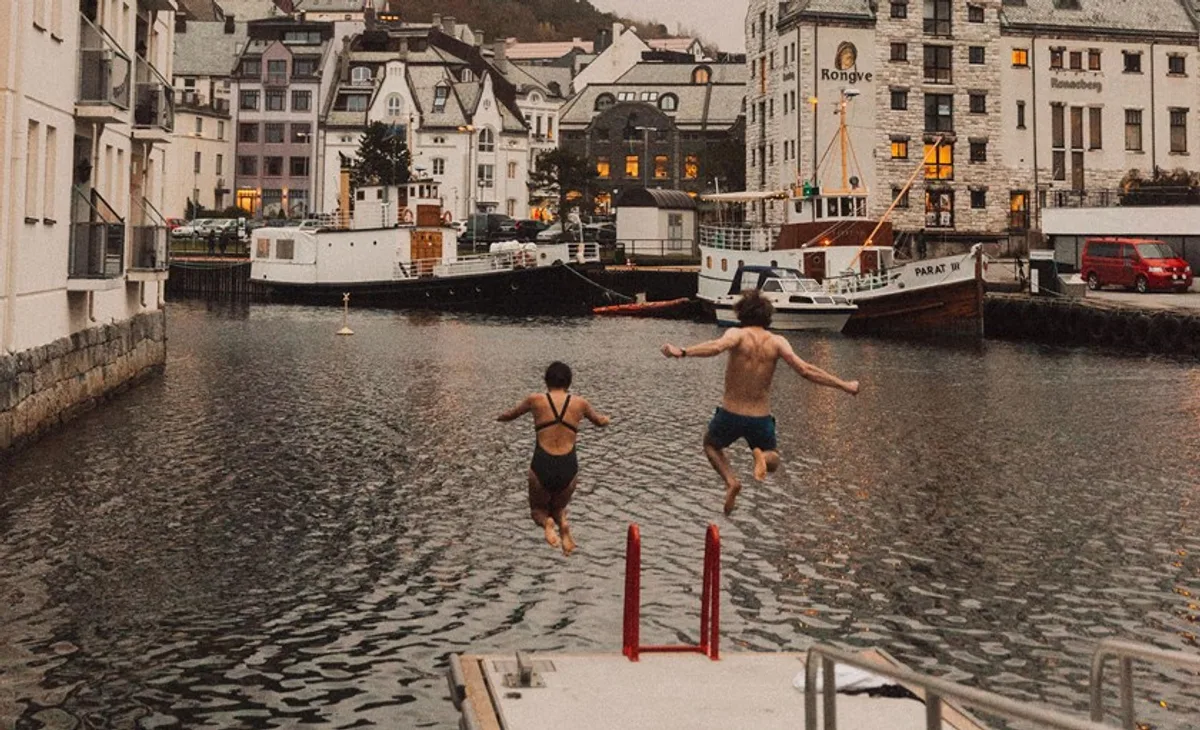
Roa Badstue Åndalsnes is the local favourite — a sauna experience connected to the fjord and the character of the town. This is the kind of place where you’ll find yourself in conversation with other travellers who’ve just come off the Romsdalseggen ridge or down from Trollstigen, sharing a bench in the warm and comparing routes. Sus Sauna Åndalsnes offers another option in town, with its own approach to the classic sauna-and-cold-water experience.
For those venturing further up the valley, Tafjord Sauna in the village of Tafjord — at the head of the Tafjord arm — provides a more remote retreat with the full mountain backdrop. Tafjord itself is a quiet, end-of-the-road village with a history shaped by a catastrophic 1934 rockslide, now one of the scenic highlights of the inner valley.
Trollveggen & Romsdalen Climbing
Trollveggen — the Troll Wall — is a sheer vertical face rising 1,100 metres above the Romsdalen valley floor, part of the larger Trolltindene massif. It was the site of a legendary 1965 first ascent that put Norwegian climbing on the world map, and it remains one of the defining challenges in European alpinism. You don’t need to be a climber to be awed by it: the standard view from the valley floor, where the wall appears almost implausibly vertical above the road, is one of the great landscape moments in Norway. A small visitor area at the base provides context and a car park for those wanting to photograph or simply stand and stare.
The Romsdalen valley as a whole is a gallery of mountain architecture — the Romsdalshorn, the Kongen (the King), the Bispen (the Bishop), and dozens of other peaks crowd the skyline in every direction. The valley has been a destination for mountaineers since the Victorian era, and British alpinists in particular have a long connection to these walls.
The Rampestreken Viewpoint & Ridge Walks
The Rampestreken is Åndalsnes’s signature visitor experience: a cantilevered viewing platform perched on the ridge above the town, 555 metres above sea level, reached by a steep 1.7 km path that gains 400 metres of elevation. The platform juts out horizontally over the void, offering a dizzying view down to the town, the fjord, and the valley below. The walk up takes 45–90 minutes and is achievable for most reasonably fit visitors; the descent by the same path demands careful footing. On a clear day, this is one of the finest viewpoints in western Norway.
The Romsdalseggen ridge hike is a more committed undertaking — a 10 km traverse along a spectacular mountain ridge above the valley, typically done over 5–7 hours. The path is well marked and the views throughout are extraordinary, but it requires appropriate gear and mountain experience.
Trollstigen & the Scenic Routes
Trollstigen — the Trolls’ Path — is one of Norway’s most photographed mountain roads: 11 hairpin bends ascending a 1:12 gradient through a cascade-filled gorge, with the Stigfossen waterfall dropping dramatically alongside the road. The road is open from late May to October and is a short drive south from Åndalsnes. A well-designed visitor centre at the top includes platforms positioned directly over the falls and the road below. The approach drive from Åndalsnes through the Isterdalen valley is beautiful in its own right.
The Rauma Railway, which connects Åndalsnes to Dombås (and onward to Oslo), is frequently listed among the world’s most scenic rail journeys. The 114 km route passes through Romsdalen, crossing the famous Kylling Bridge and traversing the Verma ravine in a series of loops and tunnels. Several operators run dedicated scenic rail experiences on the line.
Day trips to Geiranger (about 1.5 hours via Trollstigen and the ferry) and Ålesund (1 hour on the coast road) are both highly feasible from Åndalsnes.
Getting There & When to Visit
Åndalsnes is best reached by the Rauma Railway from Dombås (which connects to Oslo in about 2.5 hours), or by car on the E136 from the east. Driving in from Ålesund on the coastal route takes around an hour. Trollstigen is only accessible May–October; winter travel is possible but the mountain roads above the valley close seasonally.
June–September is peak season, when Trollstigen and Rampestreken are open and the weather is most reliable for hiking. July and August can be busy; late June and September offer better conditions with smaller crowds. Winter in Åndalsnes is quiet and genuinely beautiful — the valley walls take on an entirely different quality under snow, and the saunas become even more necessary.
After a day that starts with the Romsdalseggen ridge and ends at a sauna on the fjord, Åndalsnes is hard to argue with.