The Best Wood-Fired Saunas in Norway — Authentic, Traditional & Unforgettable
Discover Norway's finest traditional wood-fired saunas. Slow-heated by birch wood, these saunas offer an authentic Nordic experience unlike any spa.
There is a difference between a sauna and a wood-fired sauna, and anyone who has experienced both will tell you it is not subtle. The heat from an electric sauna is clean and consistent — reliable, adjustable, and entirely without character. The heat from a wood-fired sauna is alive. It builds slowly over hours, peaks in waves, and carries with it the smell of burning birch and the deep, satisfying weight of accumulated warmth.
In Norway, the wood-fired sauna — called “badstue” in Norwegian — has a history stretching back to the Viking age. Before central heating, before hot water systems, before even glass in windows, the sauna was the warmest, cleanest, and most social space in any farm or village. The tradition of gathering around a wood-fired stove, pouring water over hot stones, and sweating together is embedded in Norwegian identity at a level that goes beyond recreation.
The Ritual of the Wood-Fired Sauna
The wood-fired sauna operates at a different pace from its electric cousin, and that pace is part of the point.
Heating a proper wood-fired sauna takes two to three hours. You start the fire, you split more wood, you wait. The waiting is not wasted time — it is part of the ritual, a time to prepare, to slow down, to shift from daily pace to sauna pace. By the time the sauna is ready, you have already started to decompress.
The heat in a wood-fired sauna has a quality that sauna enthusiasts describe as “softer” — it envelops rather than beats. When you pour water over the stones — the “löyly” in Finnish, “dampkast” in Norwegian — the steam rises in a wave that you feel before you see it. The temperature spikes, the sweat breaks immediately, and the birch smell intensifies. It is an entirely sensory experience, and no electric sauna replicates it faithfully.
The birch wood matters too. Birch burns hot and clean, with relatively little smoke and a particular aromatic quality that has become synonymous with the Scandinavian sauna experience. Many traditional saunas keep bundles of birch branches — called “vihta” or “vihd” — for use as gentle switches to stimulate circulation. The smell of steamed birch branches in a hot sauna is one of those scent memories that never leaves you.
Best Traditional Wood-Fired Saunas by Region
Inland Norway — Mountain and Valley Saunas
Some of Norway’s finest wood-fired sauna experiences are found not on the coast but deep inland, where the landscape is defined by mountains, river valleys, and a culture of self-sufficiency that has preserved traditional practices.
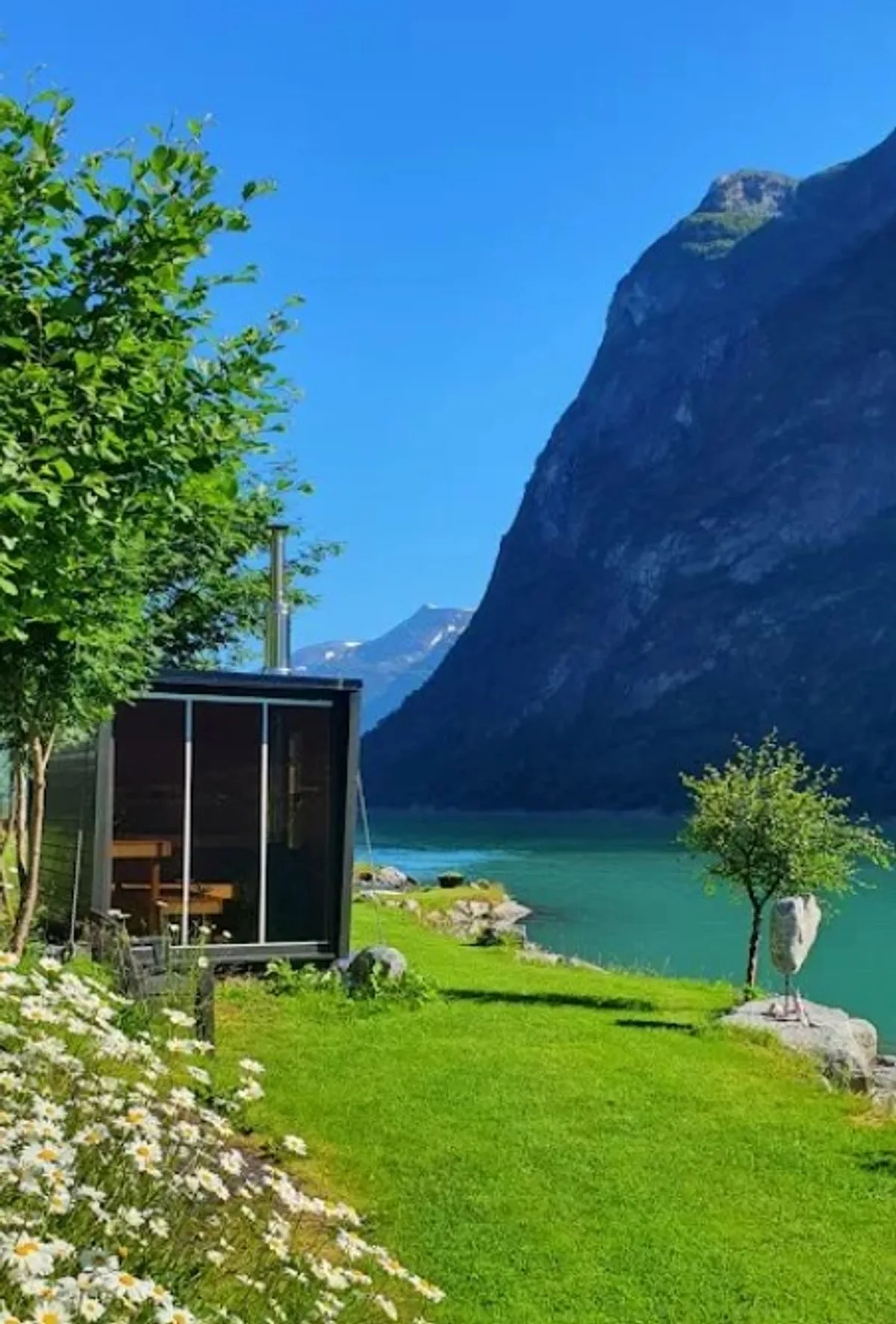
Besseggen Sauna sits near the famous Besseggen ridge in Jotunheimen — Norway’s most iconic mountain hike country. The sauna here is heated the old way, with a wood-fired stove that takes several hours to bring to temperature. After a day on the mountain, the combination of heat and cold plunge in one of the region’s glacial lakes is restoration on a primal level.
Mad Goats Sauna Sjoa on the Sjoa River combines the wood-fired sauna tradition with Norway’s reputation for whitewater rafting. The river that flows past the sauna is one of Norway’s best rafting rivers, and the combination of adrenaline and traditional heat makes for an unusually complete Norwegian experience.
Gnist Sauna Rena in Innlandet takes its name from the Norwegian word for spark — an appropriate name for a wood-fired establishment where the fire is always the starting point.
Oppstryn and Western Valley Saunas
Aarneset Gardstun Sauna in Oppstryn is a farm sauna in the truest sense — part of a working farm estate in the Nordfjord hinterland, where the sauna is heated with wood cut from the surrounding forest. This is one of the most authentic agricultural sauna experiences in Norway, where the distinction between the sauna and the working landscape it sits within is genuinely blurred.
Heitebua offers another take on the traditional wood-fired experience, with a name that simply means “the hot hut” — the oldest and most direct Norwegian term for a sauna. Unpretentious and effective.
Bergen Region
Arna Sauna brings the wood-fired tradition to the Bergen area, offering a traditional experience within reach of Norway’s second city. For Bergen visitors who want to go beyond the hotel spa and experience something genuinely rooted in local culture, this is a reliable choice.
Heksas Kjokken Sauna takes a slightly different approach, combining the sauna with food culture in a way that reflects the growing Norwegian interest in combining traditional practices with contemporary hospitality.
Wilderness and Farm Saunas
The most remote and arguably the most authentic wood-fired saunas in Norway are those found in wilderness settings, far from any town.
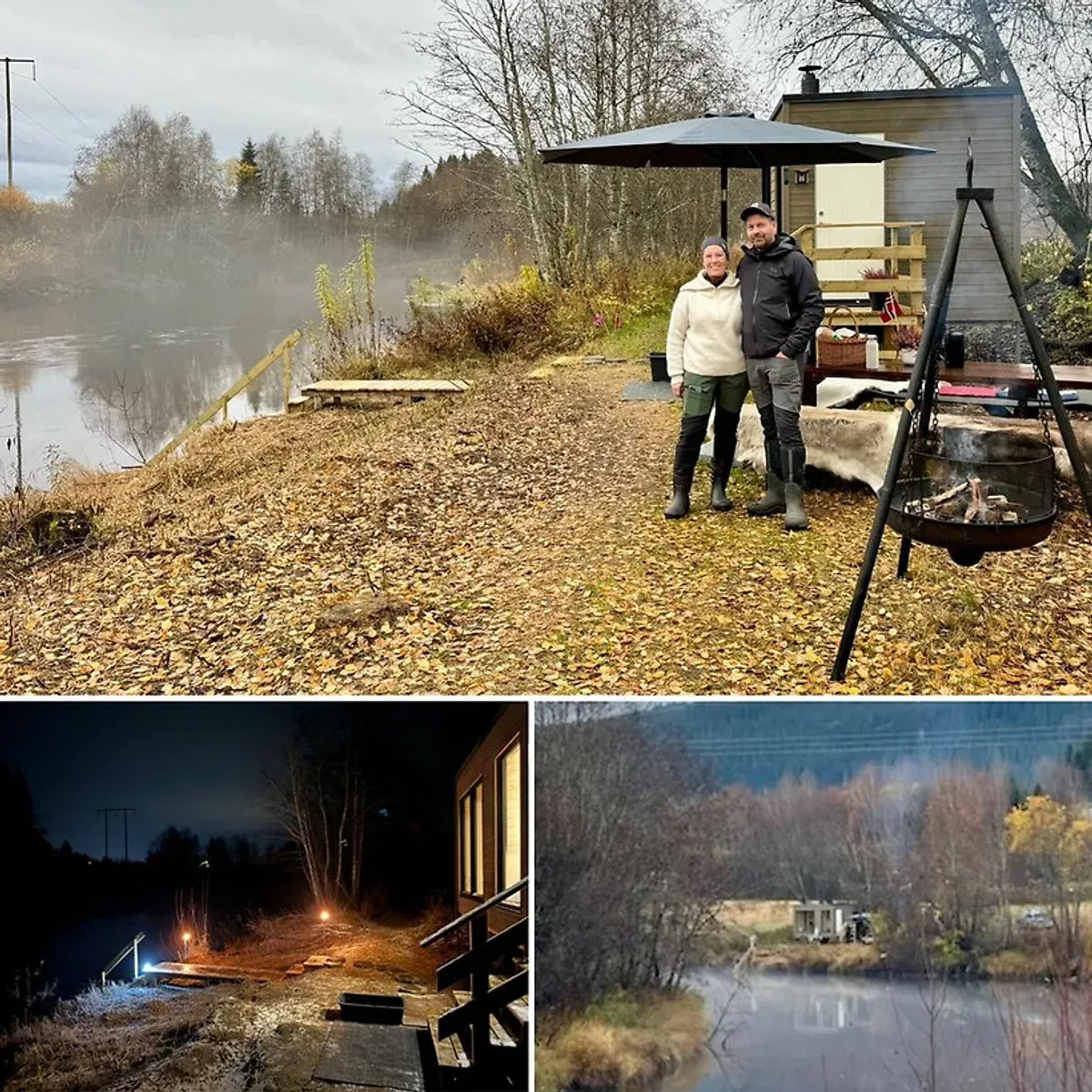
Plura Valley Sauna is set in the Helgeland region of northern Norway — a landscape of deep valleys, wild rivers, and very few people. This is cave-diver country; the Plura River is famous among divers for its underwater cave systems. The sauna here sits in a wilderness context that feels genuinely untouched.
Torstveit Villmarksbadstu lives up to its name — “villmarks” means wilderness — with a wood-fired sauna in a remote setting that requires real effort to reach. The reward is heat, cold water, and silence of a quality that is increasingly rare in the world.
Wild Sauna Bakka is another wilderness experience, with the added element of direct access to wild Norwegian nature at its most undisturbed.
Bygdebadstua Skurdalen represents a different but equally important tradition — the village communal sauna. In Skurdalen in Numedal, the village sauna has served the community for generations. Using it is not just a wellness experience but a small act of participation in a living cultural tradition.
Sakrå Badstu offers a well-maintained traditional experience with the wood-fired stove at its centre, in a setting that prioritises the essentials: good heat, cold water, and space to breathe.
Tips for First-Timers at a Wood-Fired Sauna
Arrive early. If you are responsible for lighting the sauna, you need two to three hours before you want to use it. Many operators will light it for you in advance, but confirm this when booking.
Bring birch if you can. Some traditional saunas supply birch branches for the löyly ritual; others expect you to bring your own. A bundle of fresh or dried birch adds considerably to the experience.
Manage the temperature yourself. Unlike electric saunas with precise thermostats, wood-fired saunas require active management. Add water to the stones to raise the humidity and perceived heat; open the door slightly to let steam escape if it gets too intense. Part of the experience is learning to read the sauna.
Go slow with the water. Pouring a large ladleful of water over extremely hot stones at once creates an instant steam blast. Start with a small amount, observe the response, and adjust.
Plan your bathing. Wood-fired saunas in wilderness or farm settings often require you to provide your own cold-water access — a river, lake, or outdoor shower. Understand what is available before you arrive.
Respect the pace. A wood-fired sauna session is not a 45-minute workout. Bring food, drinks, and people you want to spend time with. Three hours is a minimum; a full afternoon is better. This is the original meaning of the word “hygge” — slow time shared with others in a warm place.
The wood-fired sauna is not a relic of Norwegian history. It is a living practice, maintained by communities, farms, and wilderness operators across the country, and available to any visitor willing to travel beyond the hotel spa and into the landscape that made it.