Arctic Sauna Experiences in Norway — Heat, Ice & the Northern Lights
Experience Norway's most dramatic saunas — bathing under the Northern Lights, plunging into arctic fjords, and warming up in wooden cabins above the Arctic Circle.
Nowhere on earth does the sauna ritual feel more necessary — or more extraordinary — than above the Arctic Circle. When the temperature drops to -20°C and the landscape is locked in polar night, the sauna is not a luxury. It is a lifeline. And when you step outside to plunge into water that hovers near freezing, with green curtains of the aurora shimmering overhead, you understand why Norwegians have built their culture around this ritual for centuries.
Arctic Norway offers some of the most intense and memorable sauna experiences in the world. This is not wellness tourism. This is something older and more primal — the ancient Nordic bargain with winter itself.
The Northern Lights Sauna Experience
The combination of sauna and Northern Lights is one of those travel experiences that sounds almost too good to be true, and yet it delivers every time the sky cooperates. You are sitting in a cedar-lined room, sweat running freely, heat pressing in from all sides. You push open the door, and the cold hits you like a wall. Above, the sky moves.
The aurora australis responds to solar activity, not the clock, which means sightings can happen at any point through the long polar night — from late September through late March. The best sauna experiences in northern Norway are designed to maximise this possibility: outdoor benches and platforms for watching the sky between rounds, hot tubs for stargazing while staying warm, and session windows that run through the late evening and into the small hours.
Malangen Fjord Sauna sits on the edge of Malangen fjord southwest of Tromsø, where the combination of dark fjord water and wide sky creates ideal conditions for aurora watching between sauna rounds. Lyngentourist Sauna in the Lyngen Alps region — one of the most spectacular mountain landscapes in Europe — offers sauna sessions that can be combined with guided Northern Lights experiences.
Best Arctic Saunas from the Arctic Circle to Svalbard
Tromsø and Surrounding Region
Tromsø is the de facto capital of arctic Norway and the natural base for any Northern Lights sauna trip. Arctic Sauna Adventure operates directly in and around Tromsø, combining traditional sauna sessions with guided cold water experiences in the fjord. The sessions are carefully structured to be accessible for first-timers while remaining genuinely challenging.
The Northlight Sauna in the Northlight Sauna experience offers an intimate, small-group atmosphere that many travellers prefer — fewer people, more sky, longer time to sit quietly and watch the aurora.
The Far North — Finnmark
East of Tromsø, the landscape opens up into the vast plateau of Finnmark — Europe’s last great wilderness. Here, the sauna culture has deep Sami and Finnish roots, and the experiences feel less curated and more raw.
Barents Sauna Camp is located at Bugøynes, a tiny fishing village near the Russian border on the shore of the Barents Sea. This is one of the most remote sauna experiences in Norway — the village is barely reachable by road, the sea is genuinely arctic, and the sense of being at the edge of the inhabited world is real. Cold plunges here are in the Barents Sea itself, which stays close to 0°C even in summer.
The World’s Northernmost Saunas
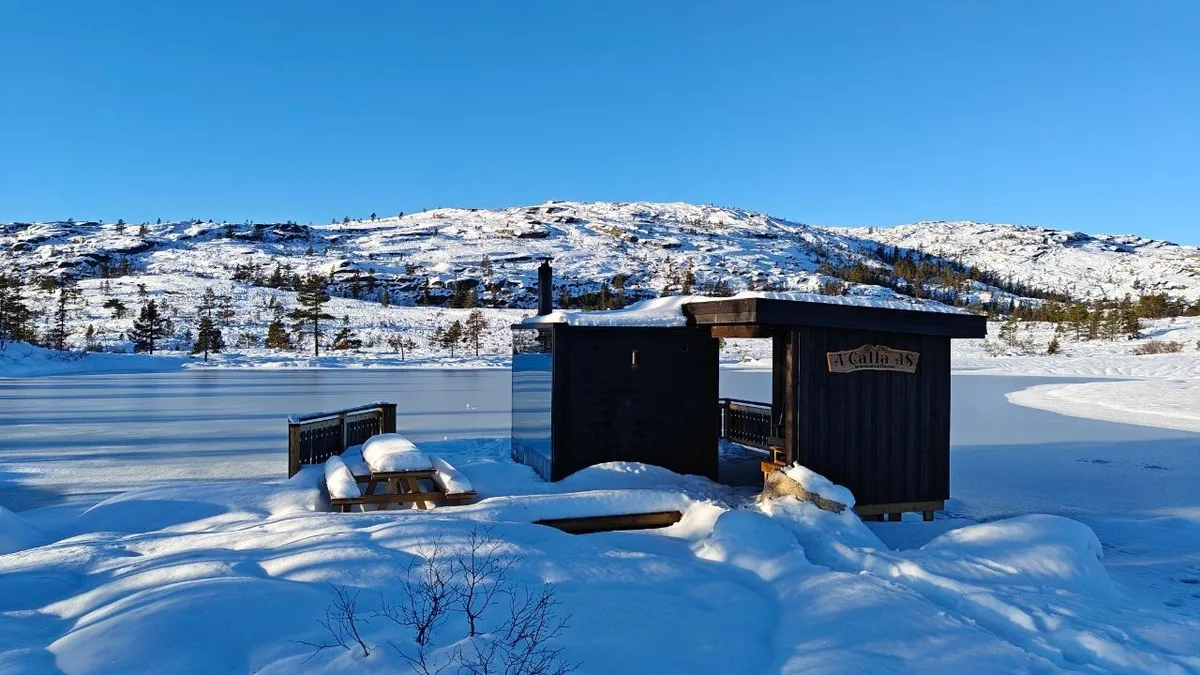
Arctic Sauna Ice Bathing at Skarsvåg claims the title of the world’s northernmost sauna — a remarkable distinction for a tiny fishing village at the very tip of the Nordkapp peninsula. The experience here is elemental: a small wooden sauna, open Arctic Ocean, and in winter, near-total darkness punctuated by occasional Northern Lights.
Arctic Sauna Narvik offers a different arctic experience further south, where dramatic mountain scenery meets deep fjord water. Narvik sits at a latitude that guarantees Northern Lights season from October to March.
Svalbard — 78° North
For the most extreme arctic sauna experience on the planet, SvalBad Svalbard in Longyearbyen puts you at 78 degrees north latitude — well within the zone of polar bears and midnight sun. Sauna sessions here are followed by cold plunges in Isfjorden, and the combination of extreme cold, extraordinary light, and genuine Arctic wilderness makes this one of the most unforgettable wellness experiences in the world. Polar bear guards are standard procedure for outdoor activities in Svalbard — even sauna trips.
Lofoten and Vesterålen
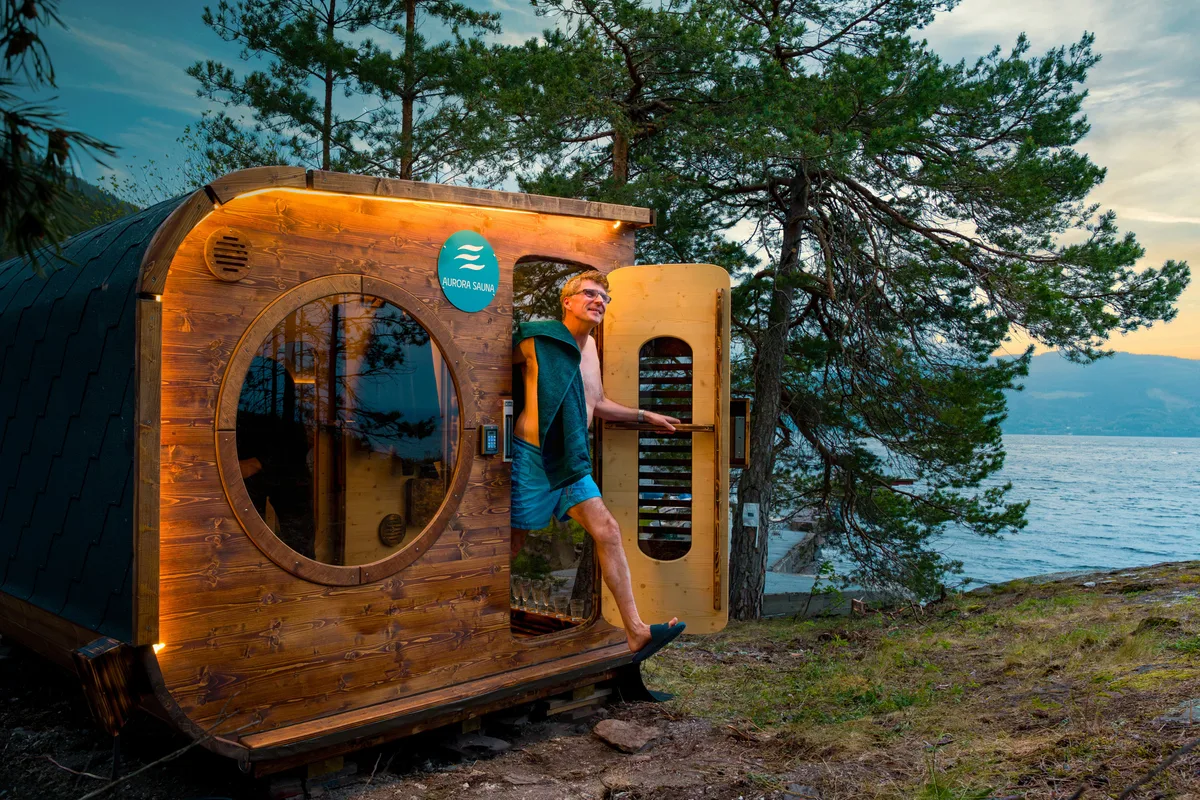
The Lofoten archipelago has become one of Norway’s top travel destinations, and its sauna scene has grown to match. Aurora Sauna Lofoten takes full advantage of the dramatic island setting, with sessions designed around the spectacular natural light — midnight sun in summer, aurora season from autumn through spring.
The Art of the Cold Plunge in Arctic Water
The cold plunge is not incidental to the arctic sauna experience — it is the point. And arctic water is not the same as a cold shower or an unheated pool. The Barents Sea in winter is close to -1°C. Even in summer, open fjord water above the Arctic Circle rarely exceeds 12–14°C.
The physiological effects are intense: vasoconstriction followed by rapid vasodilation, a surge of noradrenaline, and a cortisol spike that the body then counterbalances with a deep sense of calm. Regular practitioners describe the after-effect as the best natural high they have found — and the arctic context makes it more extreme than anything further south.
The key is to approach it without rushing. Enter the water steadily, breathe through the shock, stay for 30–90 seconds, and return to the sauna. Repeat two or three times over the session. By the final round, what felt shocking becomes almost comfortable.
When to Visit — Northern Lights vs Midnight Sun
The arctic sauna calendar divides naturally into two seasons, each offering something extraordinary.
Northern Lights Season (late September – late March) is when the polar night creates the conditions for aurora sightings. The darkest months — November, December, January — offer the longest periods of darkness but also the most severe cold. February and March are often considered the best compromise: cold enough for dramatic ice and snow, but with increasing light and statistically good aurora activity.
Midnight Sun Season (late May – late July) offers an entirely different experience. The sun does not set, bathing the sauna and the surrounding landscape in golden light at all hours. Cold plunges in the relatively warmer summer water are more accessible to beginners, and the surreal quality of steaming in a sauna at 2am while the sun is fully up is something that has to be experienced to be understood.
For Northern Lights specifically, the optimal window is October to February, with clear skies and strong solar activity as the main variables beyond your control.
Practical Tips for Arctic Sauna Travel
Book well ahead. The best arctic sauna operators have limited capacity and high demand. Especially for Svalbard and the Finnmark experiences, booking 2–3 months ahead is advisable for winter slots.
Dress for the cold between rounds. Even a short walk from the sauna to the water in -15°C requires proper layering. Most operators provide robes, but bring warm footwear and a hat.
Be realistic about aurora expectations. The Northern Lights require clear skies and solar activity — neither is guaranteed. Plan to stay at least three or four nights in an aurora destination to maximise your chances.
Embrace the darkness. Polar night can feel disorienting at first, but the sauna is one of the best antidotes. The contrast between the warm light inside and the dark outside becomes its own kind of magic.
Stay hydrated. The combination of dry heat and cold arctic air is dehydrating. Drink water between rounds and throughout the session.
Arctic sauna experiences in Norway are not for everyone — they require cold tolerance, an appetite for genuinely remote places, and some comfort with extreme weather. But for those who make the journey, they represent something irreplaceable: a connection to the Norwegian winter that visitors from any climate can access and understand.